
Vander Apartments → Oslo Travel Guide → Oslo by season
Oslo by season
Oslo changes a lot throughout the year. Summer is all about fjord life and long daylight, while winter is built for skiing, saunas, cosy cafés and strong museums. This guide helps you choose the best time to visit Oslo based on your vibe, budget and travel style — with a simple month-by-month planner.
Want detailed seasonal itineraries? →
Oslo in summer → View guide
Oslo in winter → View guide
Back to main guide → Oslo Travel Guide
Quick season snapshot
- Best overall time to visit: May to September (fjord life + long days)
- Best budget season: April + October (shoulder season, fewer crowds)
- Best winter vibe: December to March (sauna season + Nordmarka)
- Best trip length: 2–3 days for city highlights, add 1 day for islands or day trips
First time in Oslo? Start here → Oslo Travel Guide.
Content
Use the links below to jump straight to the season or month you're planning for.
Best time to visit Oslo (quick answer)
Oslo seasons overview (what each season feels like)
Where to stay in Oslo by season (fast picks)
Best time to visit Oslo (quick answer)
If you want the best Oslo experience with the least effort, here’s the simplest answer: visit in summer for fjord life and long days, or visit in winter for cosy city vibes and easy access to skiing. If you want fewer crowds and better availability, aim for the shoulder season.
Best time for long days + fjord life
May to September is the best time to visit Oslo if you want the city at its most “alive”: long daylight hours, island hopping in the Oslofjord, waterfront dining, swimming spots like Sørenga, and sunset walks along the harbour promenade.
Best for: outdoor plans, fjord islands, parks, viewpoints, and late evenings.
Best time for winter vibes + skiing
December to March is perfect if you want Oslo as a winter city break. This is sauna season, museum season, and one of the only capitals in Europe where you can go from downtown to forest skiing in Nordmarka by metro.
Best for: cosy cafés, snowy viewpoints, winter walks, Holmenkollen, and skiing.
Best time for fewer crowds + better prices
If you want a calmer Oslo with easier bookings and better value, April and October are the smart choices. You still get great walks, museums, and food experiences — just with fewer tourists and less pressure on accommodation.
Best for: short city breaks, museums + food, and a more relaxed pace.
Full summer playbook → View guide
Full winter playbook → View guide
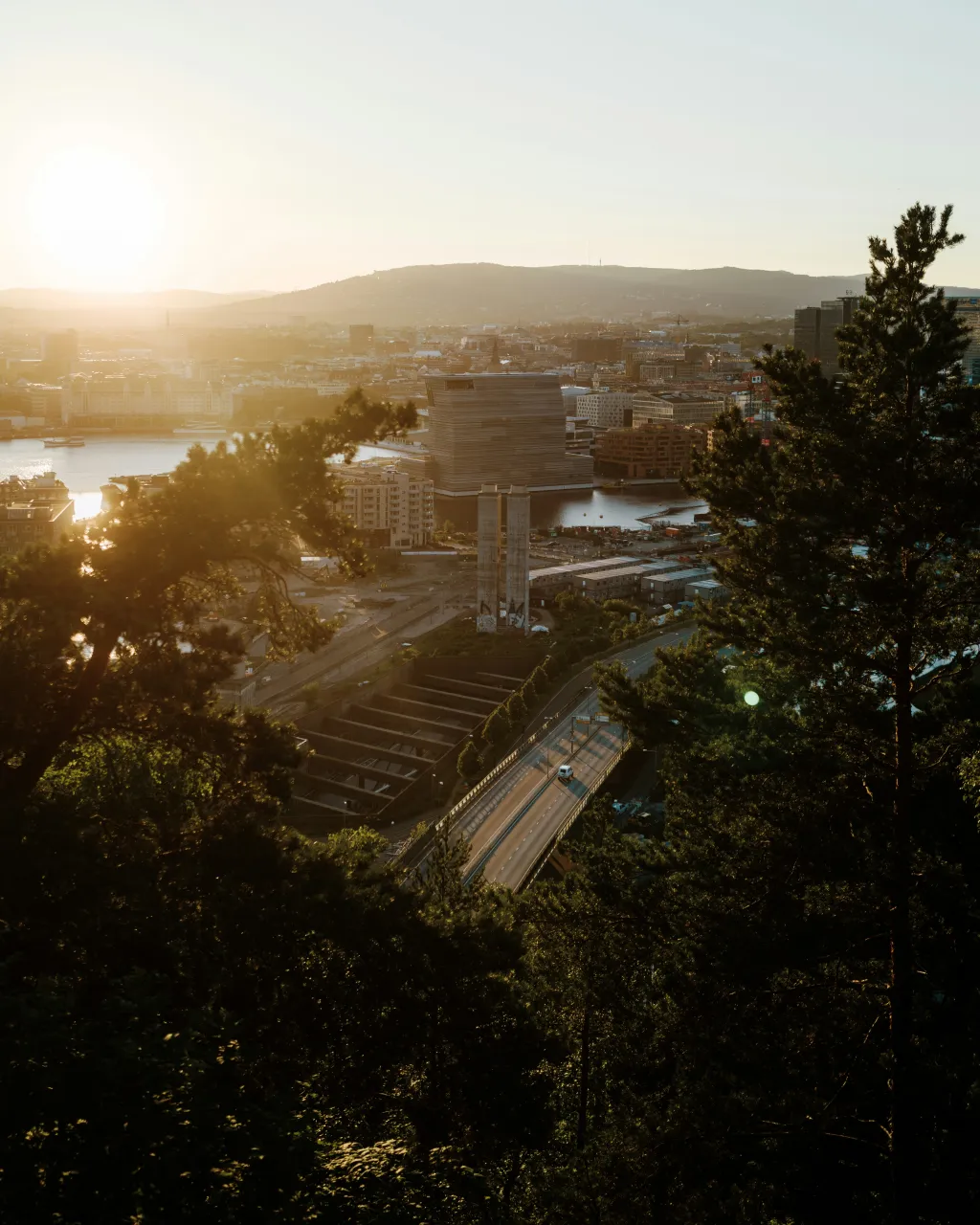
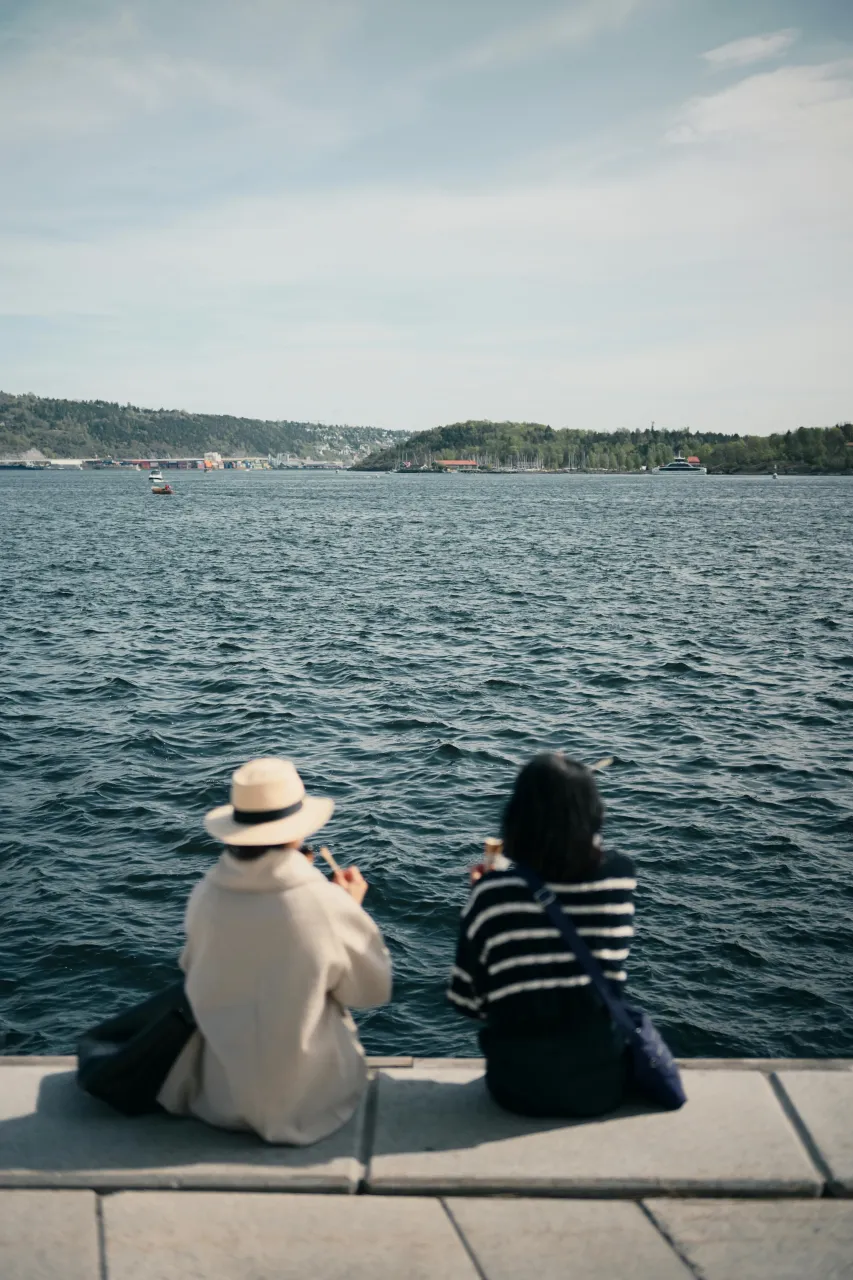
Oslo seasons overview (what each season feels like)
Choosing when to visit Oslo isn’t just about temperature — it’s about atmosphere . Oslo changes a lot throughout the year, and the same neighbourhoods can feel completely different depending on daylight hours, weather, and what locals are doing.
Oslo in summer (May–September)
Summer Oslo feels like a waterfront city . The long daylight hours change everything — evenings stretch late, the fjord becomes part of daily life, and the city feels more open, relaxed, and outdoorsy. It’s the season Oslo is most “effortless”: you can build great days around walks, parks, and waterfront energy without needing much planning.
Read the full summer guide → View guide
Oslo in winter (December–March)
Winter Oslo is a mix of outdoor winter culture and high-quality indoor city life. This is when Oslo feels the most Scandinavian: darker days, cosy streets, and a strong rhythm of cafés, museums, and sauna sessions. It’s also one of the few capitals where nature still feels close — forest trips and skiing are part of the city identity, not a separate “escape”.
Read the full winter guide → View guide
Oslo in spring (April–May)
Spring is when Oslo starts to wake up again . Days get longer, terraces return, and the city feels lighter and less busy than peak season. It’s a great time for travellers who want a more calm version of Oslo — still walkable, still beautiful, but with more breathing space and fewer crowds than summer.
Oslo in autumn (September–October)
Autumn Oslo is calm, cosy, and slightly more local. The city shifts inward — museum visits, coffee stops, and slower evenings start to make more sense again. It’s one of the best seasons if you want a culture-first Oslo trip , with strong indoor experiences and less tourist intensity, while still having enough daylight for scenic walks.
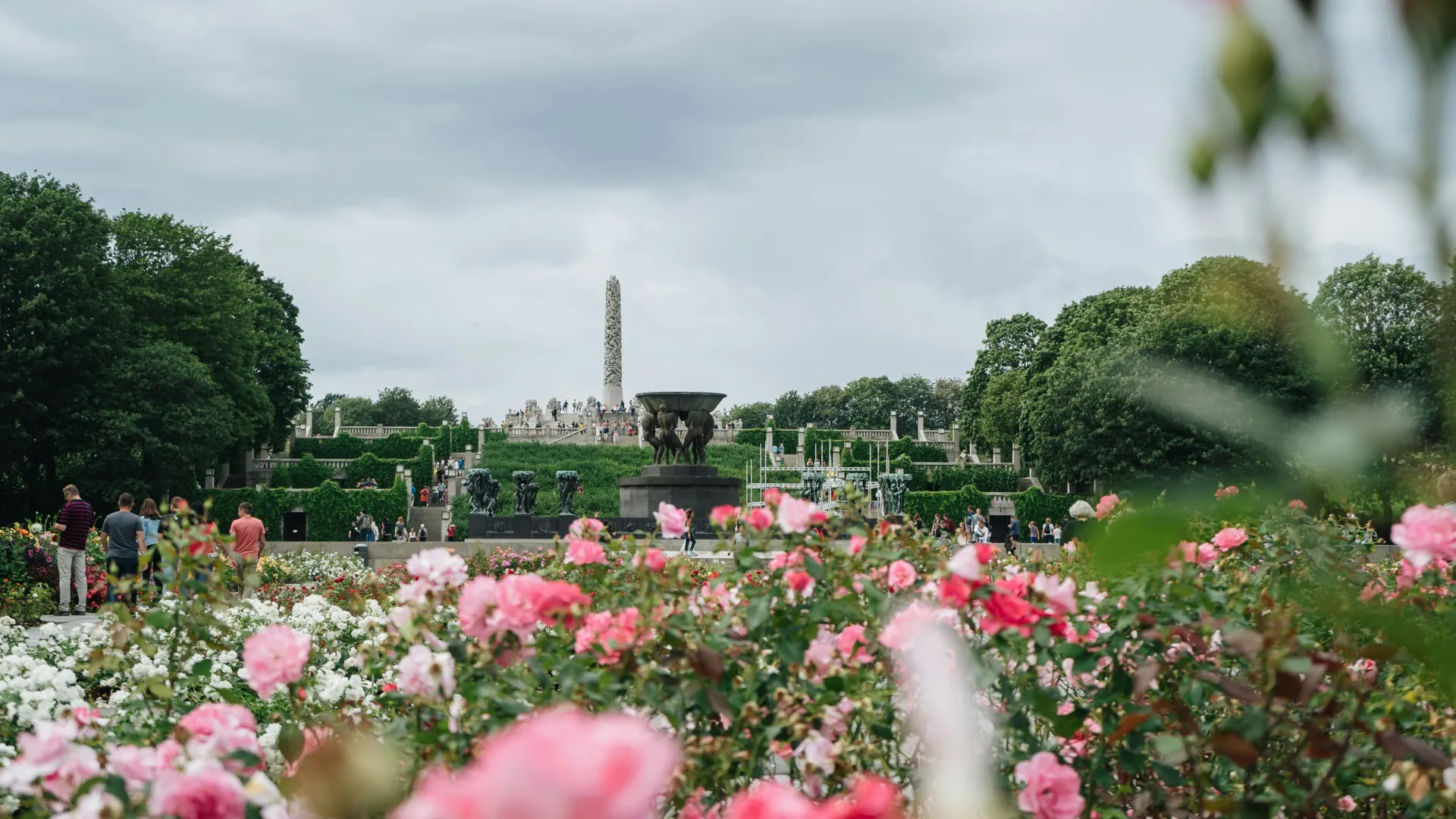
Oslo by month (quick planner)
Oslo changes a lot throughout the year — and the best month to visit depends on the vibe you want, not just the weather.
Below is a simple month-by-month breakdown so you can match your travel dates with the right Oslo feel — whether you want winter atmosphere, long summer evenings, or a calmer shoulder season city break.
January in Oslo
Best for: winter city breaks, sauna culture, museums, and ski days in Nordmarka.
This is peak “cosy Oslo” season — short days, warm indoor stops, and real winter energy outside.
February in Oslo
Best for: the strongest winter atmosphere and classic Nordic vibes.
If you want the most “winter postcard” feel, February is often your best bet.
March in Oslo
Best for: late-winter skiing, clearer days, and a better mix of light + winter activities.
March keeps the winter feel, but the city starts getting more daylight and momentum.
April in Oslo
Best for: shoulder season value, quieter streets, and museum + café weekends.
A smart month if you want Oslo without crowds and don’t mind mixed weather.

May in Oslo
Best for: the start of fjord season, parks, long evenings, and spring energy.
This is when Oslo starts feeling more outdoor-first again — with more light every week.
June in Oslo
Best for: long daylight hours and the best all-round outdoor city vibe.
June is “easy mode Oslo” — walks, parks, fjord atmosphere, and late sunsets almost every day.
July in Oslo
Best for: island hopping, swimming spots, and peak fjord life.
This is the most summer-heavy month, perfect if you want Oslo to feel like a coastal city.
August in Oslo
Best for: warm evenings, outdoor city energy, and a lively cultural season.
Still very summery, but often slightly calmer than July — a great balance month.
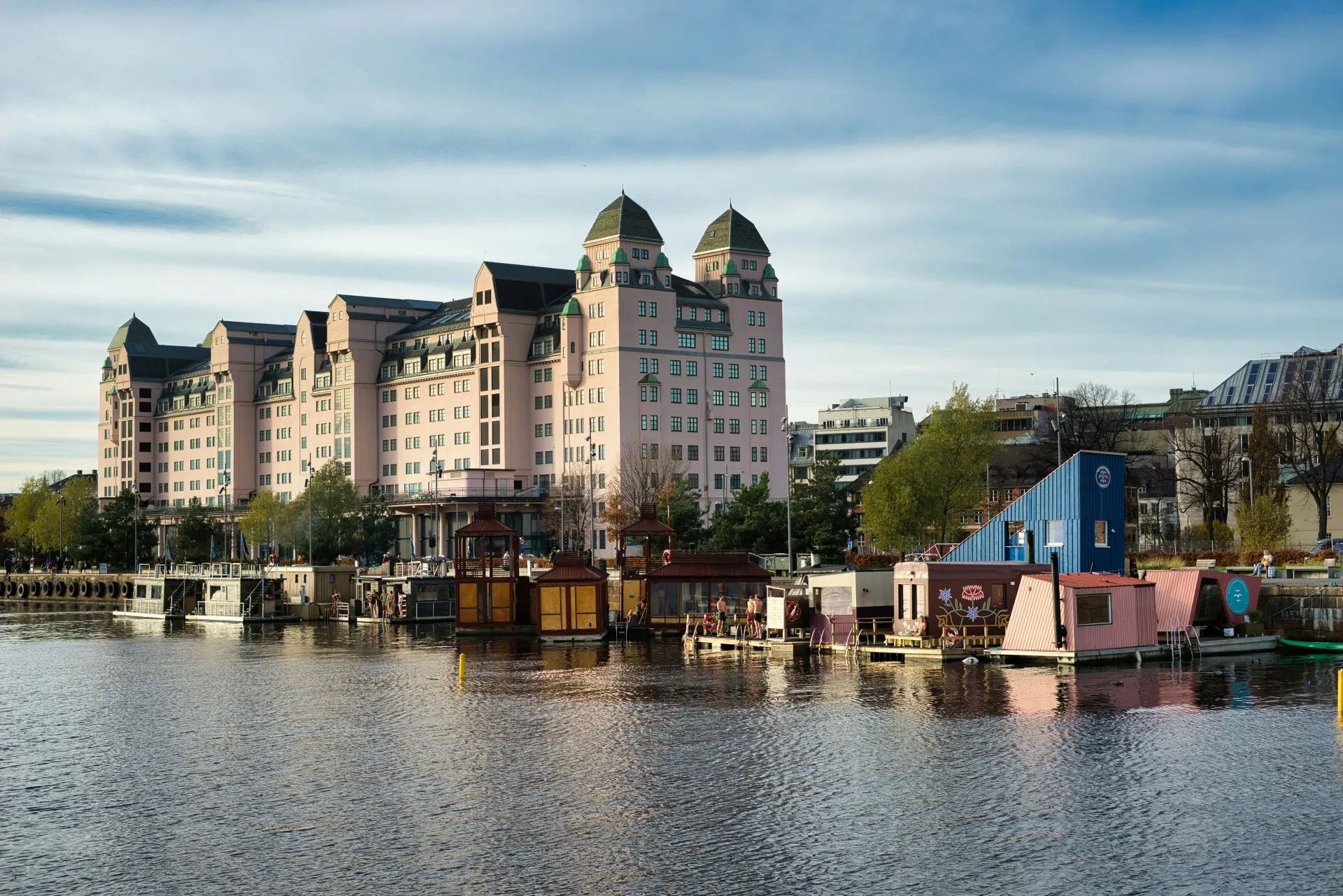
September in Oslo
Best for: a quieter summer feel, comfortable temperatures, and scenic walks.
One of the smartest months for travellers who want summer vibes without peak season intensity.
October in Oslo
Best for: cosy season travel, museums, cafés, and slower city breaks.
Oslo becomes more indoor-friendly again — perfect for relaxed trips built around culture + food.
November in Oslo
Best for: the most affordable city break period and low-season travel.
Best for museum-heavy weekends, cafés, and a more local-feeling Oslo.
December in Oslo
Best for: Christmas atmosphere, winter lights, seasonal markets, and cosy city breaks.
If you want a festive Oslo trip, December delivers the strongest winter city mood.
Want a ready-made plan for your dates? → Weekend in Oslo

Where to stay in Oslo by season (fast picks)
Where you stay in Oslo matters more by season than most travellers expect.
In summer, the goal is fjord access and waterfront energy. In winter, the goal is walkability, indoor comfort, and easy transport. Below you’ll find simple area picks based on the season you’re visiting.

Best areas to stay in Oslo in summer
If you’re visiting May to September, choose a base that gives you maximum fjord atmosphere and easy evening walks.
- Opera Area (Bjørvika/Barcode) = modern waterfront vibe, close to the Opera House, MUNCH, and the harbour promenade
- Sørenga = Oslo’s best summer “fjord lifestyle” base (swims, promenade energy, late sunsets)
- Solli = calm and central, with cafés, parks, and quick access to both the city centre and the waterfront
Best areas to stay in Oslo in winter
If you’re visiting December to March, prioritise a base where you can walk to most highlights and stay cosy when the weather shifts.
- Teaterkvartalet = best choice for maximum walkability (restaurants, shopping, transport connections)
- Solli = cosy cafés + calm central streets, great balance of local feel and convenience
- Frogner = quiet, classic Oslo comfort with parks and elegant streets (ideal for couples and longer stays)
Best areas to stay (full breakdown) →
Explore Vander apartments in Oslo →
Seasonal planning tips (simple rules that save time)
Oslo is easy to visit, but it becomes effortless when you plan around daylight, weather, and seasonal transport.
These simple rules help you avoid common mistakes and make every Oslo trip smoother — no matter which month you visit.
Want the full Oslo travel guide with areas, restaurants, transport, and day trips?
Guide to Oslo →
Daylight planning (why timing matters)
Daylight changes your whole itinerary in Oslo.
-
In summer, the best travel hack is using the long evenings: do viewpoints and waterfront walks late, and save museums for midday if the weather shifts.
-
In winter, flip the logic: build the day around a strong indoor core (museum + cafés), and treat outdoor daylight as a bonus window for a short scenic walk or viewpoint.
Simple rule: outdoor highlights late in summer, indoor highlights first in winter.
Weather backup plan (Oslo “Plan B”)
Oslo weather changes fast, especially in shoulder season. The easiest way to avoid wasted days is to always have a ready “Plan B”.
The best evergreen Plan B formula:
Museum → café break → Deichman Bjørvika
It keeps the day high quality even in rain, wind, or cold — and it still feels like Oslo (not like hiding indoors).
Transport changes by season
Transport matters differently depending on the season, so your base itinerary should adjust too.
-
Summer: fjord life is the big win → ferry access and waterfront routes matter more than metro routes
-
Winter: nature is still possible → metro access to Holmenkollen and Nordmarka becomes the smart move
This is why people who stay central have a much smoother trip: you can pivot instantly depending on weather.
Tickets, ferries, apps → Getting around Oslo →
Oslo by season FAQs
What is the best month to visit Oslo?
May, June, and August are the safest “best months” overall. You get long daylight hours, outdoor city energy, and fjord life without relying on perfect weather.
For the most summer atmosphere, July is peak season. For fewer crowds, September is the smart alternative.
Is Oslo worth visiting in winter?
Yes — Oslo is one of the best winter city breaks in Scandinavia because you get both a cosy capital and fast access to real nature. Winter is perfect for sauna culture, museum days, cafés, and Nordmarka skiing without needing a car.
Is Oslo better in summer or winter?
It depends on your travel style:
- Summer is best if you want fjord walks, islands, parks, outdoor dining, and long evenings.
- Winter is best if you want cosy city vibes, museums, saunas, Christmas atmosphere, and snow-season nature (Nordmarka).
If you only visit once and want the “classic Oslo” experience, summer wins.
What is the cheapest time to visit Oslo?
November and January are usually the cheapest months for accommodation. The city is quieter and availability is better.
How many days do you need in Oslo in each season?
A simple planning rule:
- Summer: 3 days is ideal (time for islands + long walks)
- Winter: 2–3 days is enough (more indoor-friendly highlights)
- Spring / autumn: 2 days works well, unless you add a day trip
For first timers, 2–3 days is the sweet spot in any season.
Back to Guide to Oslo
Use these guides to plan your Oslo trip faster — pick one topic and go deeper.
Back to Guide to Oslo → Oslo Travel Guide
Explore the Oslo sub guides:
Apartments
-
Solli Studio

Oslo - Norway 2 guests
-
Solli One Bedroom
Oslo - Norway 2+1 guests
-
Solsiden One Bedroom

Trondheim - Norway 2+1 guests
-
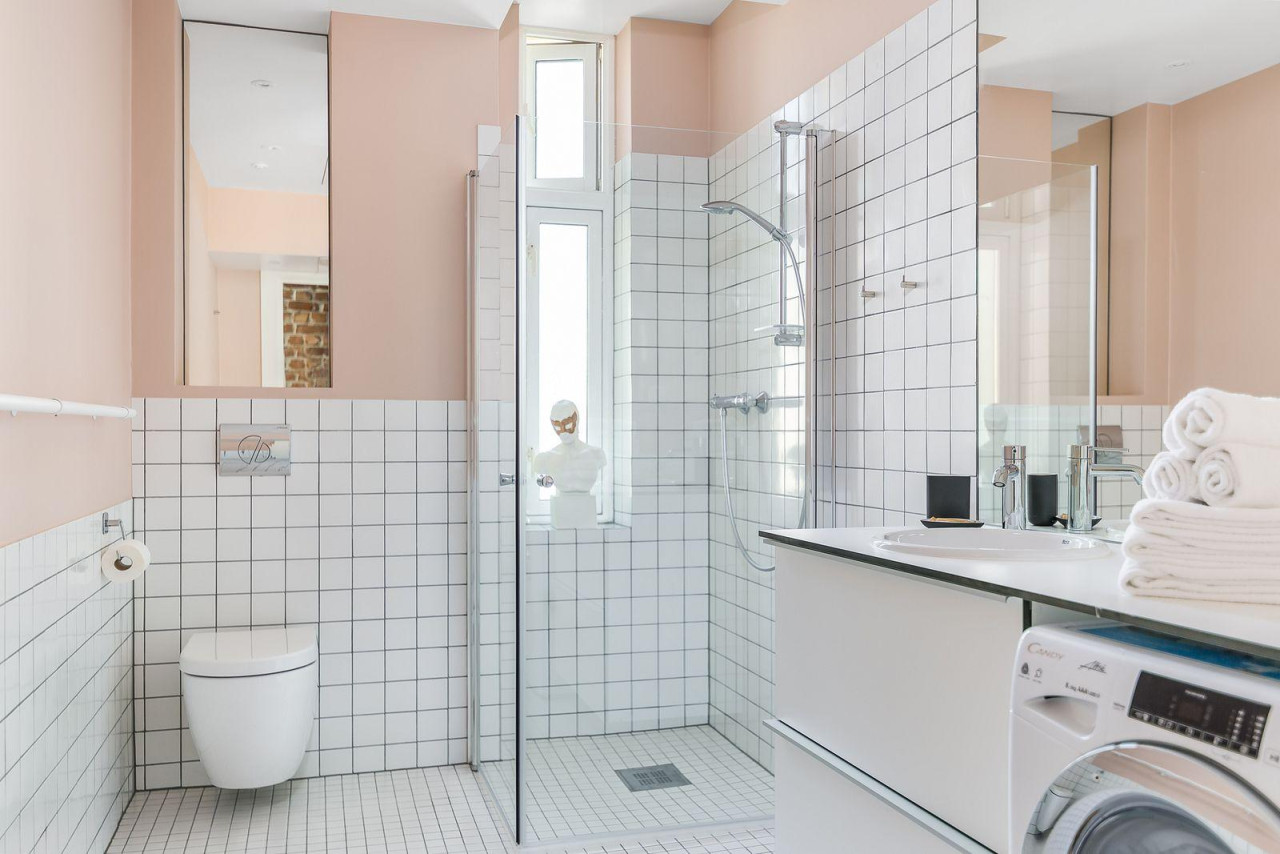
Solli Two Bedroom for 3
Oslo - Norway 3+1 guests
-

Sørenga One Bedroom
Oslo - Norway 2+1 guests
-
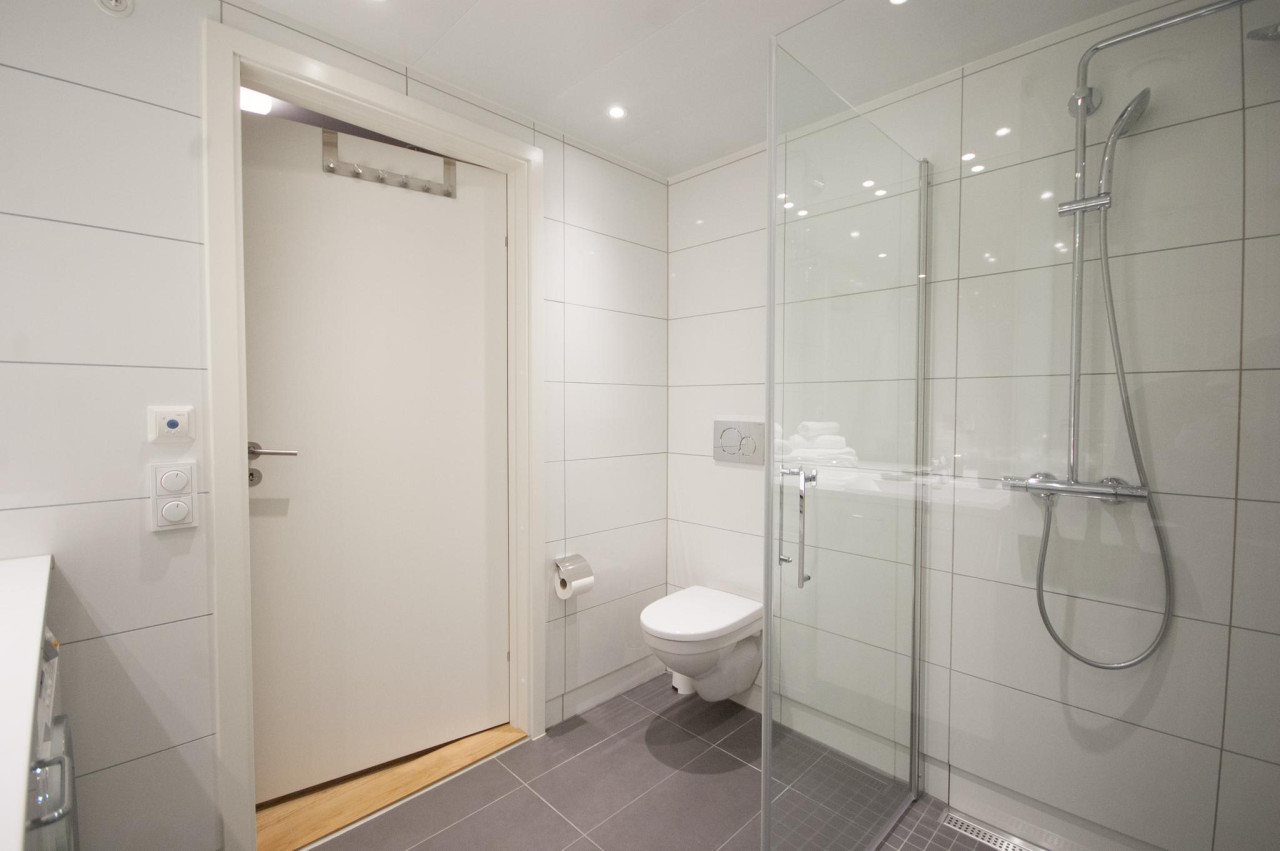
Sørenga Two Bedroom for 4
Oslo - Norway 4+1 guests
-
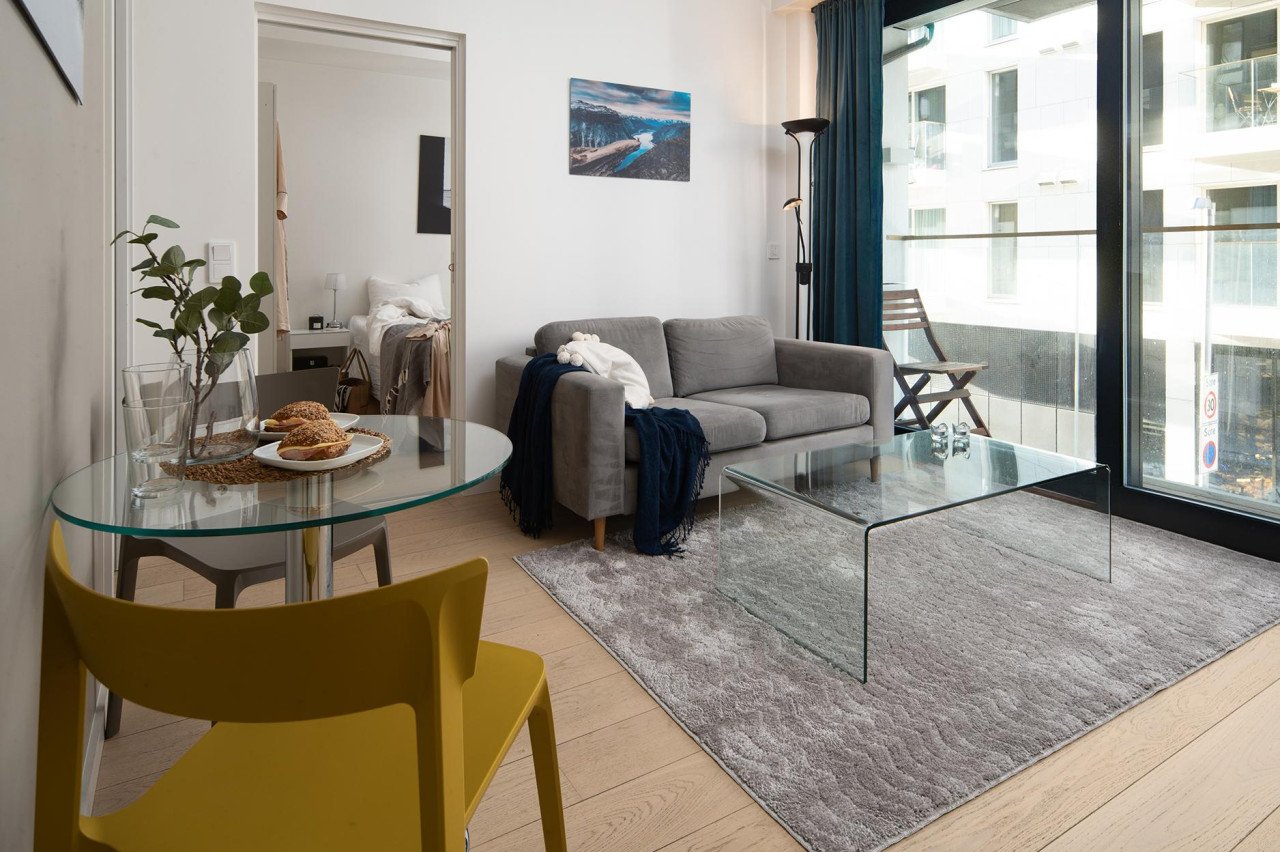
Opera Area One Bedroom
Oslo - Norway 2+1 guests
-
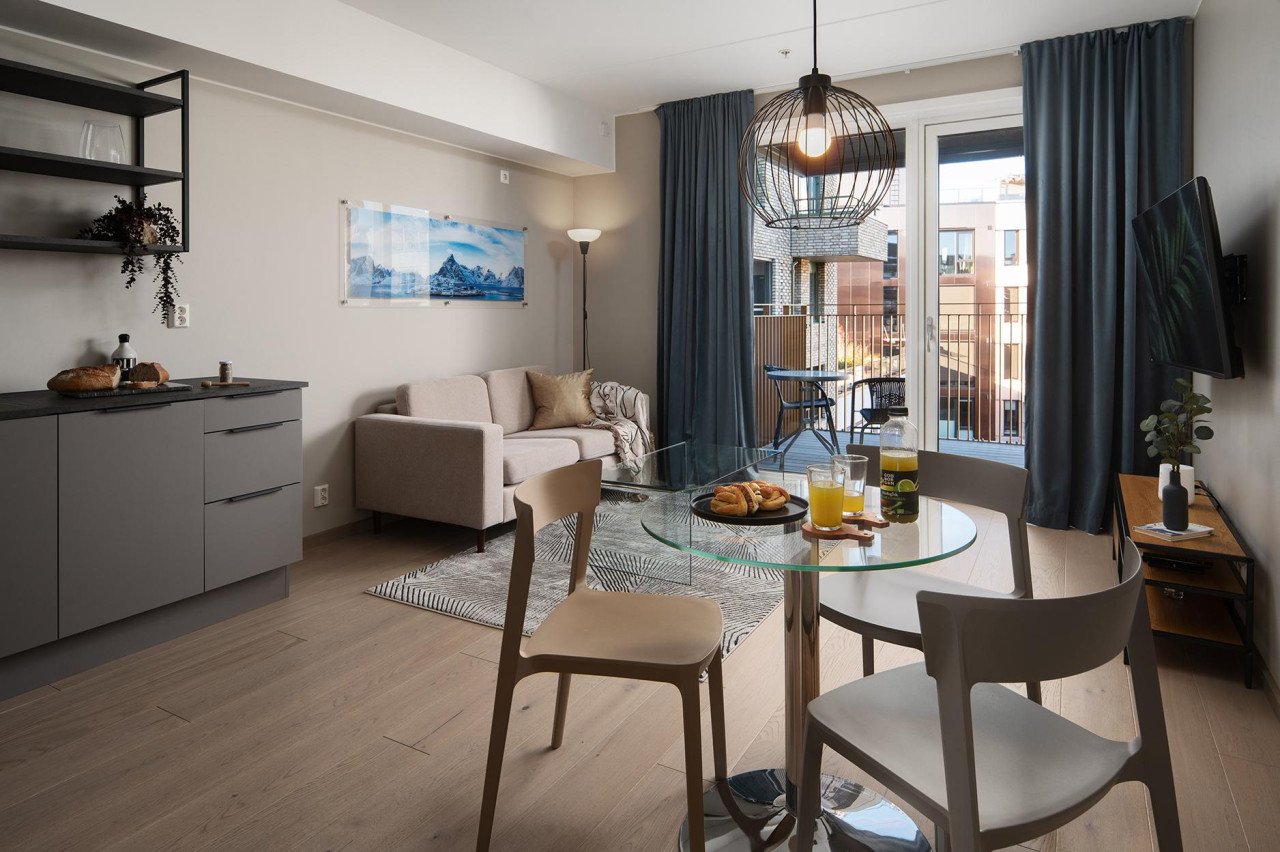
Opera Area One Bedroom Superior
Oslo - Norway 2+1 guests
-
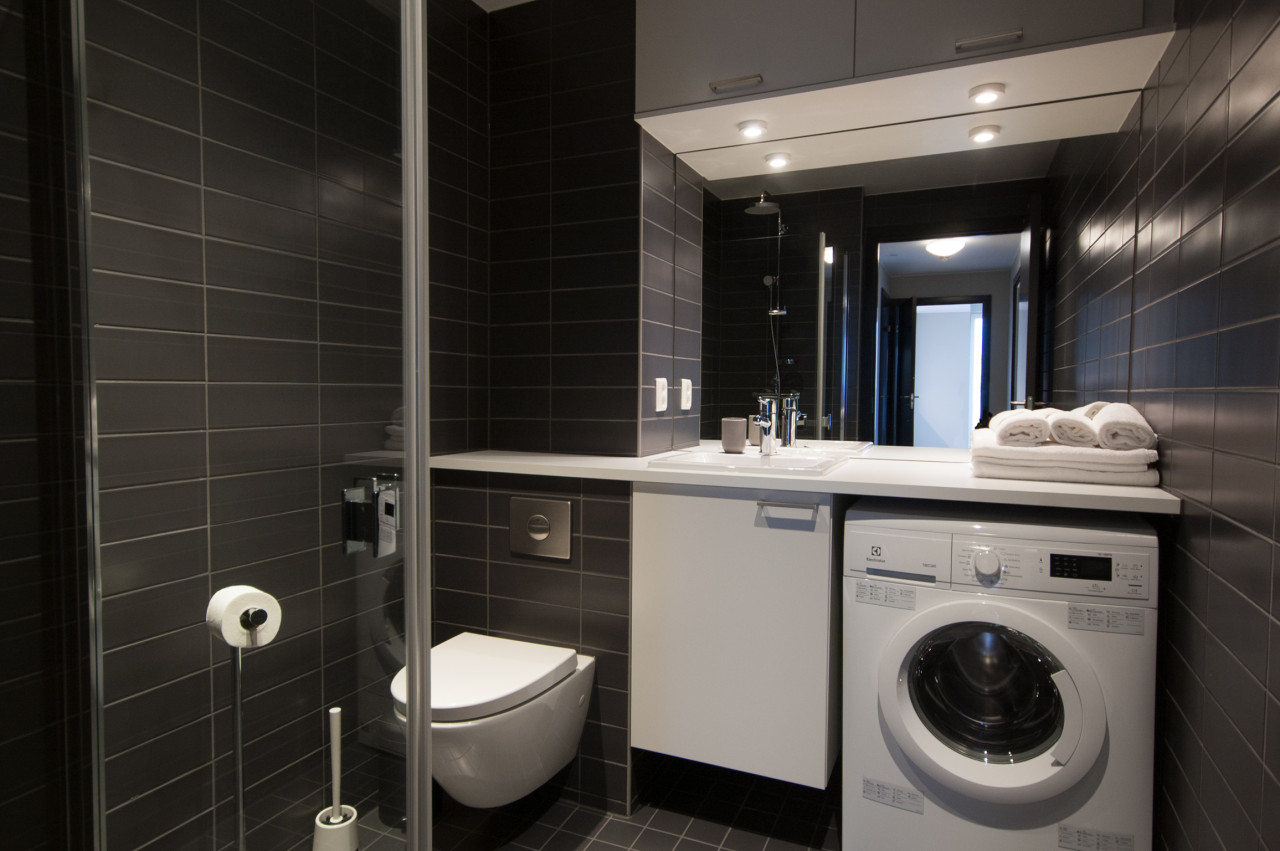
Opera Area Two Bedroom for 3
Oslo - Norway 3+1 guests
-
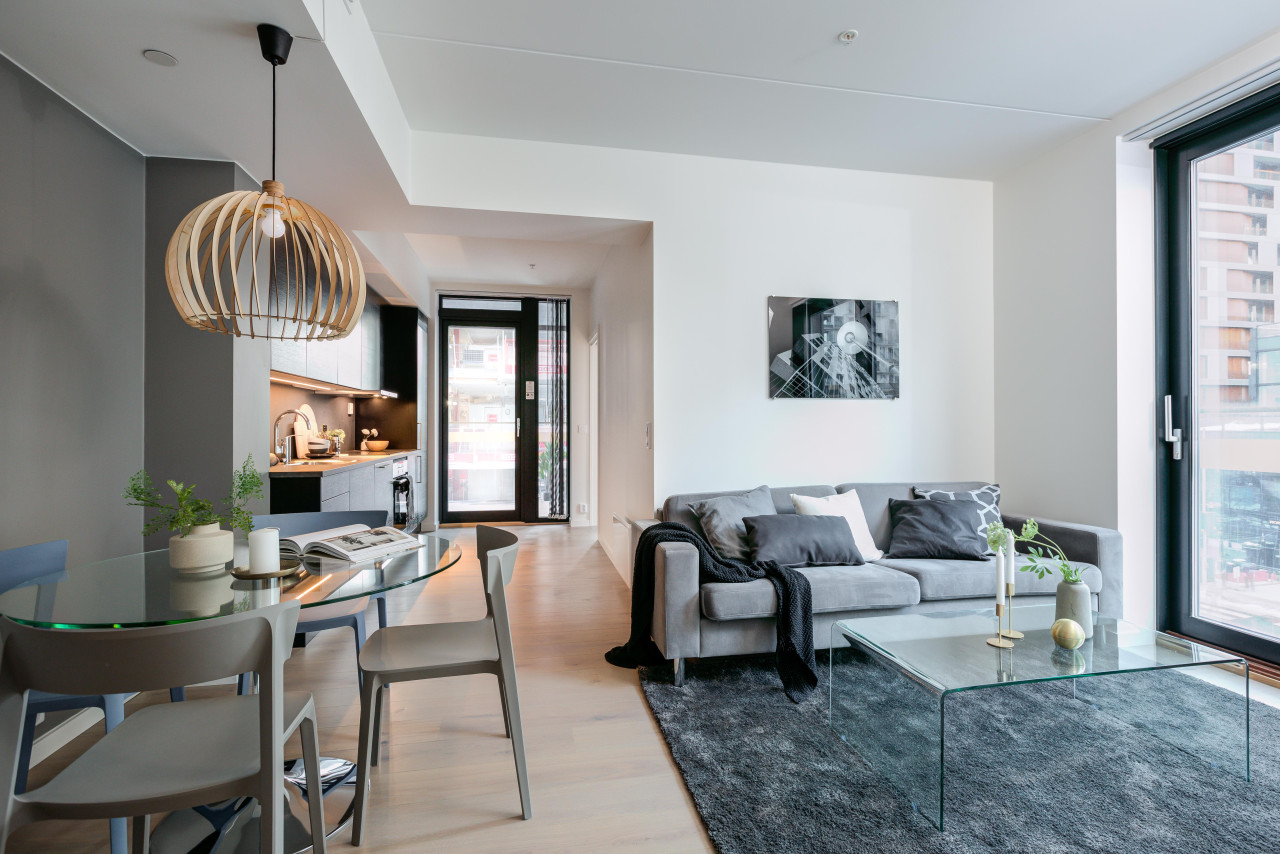
Opera Area Three Bedroom for 4
Oslo - Norway 4+1 guests
-
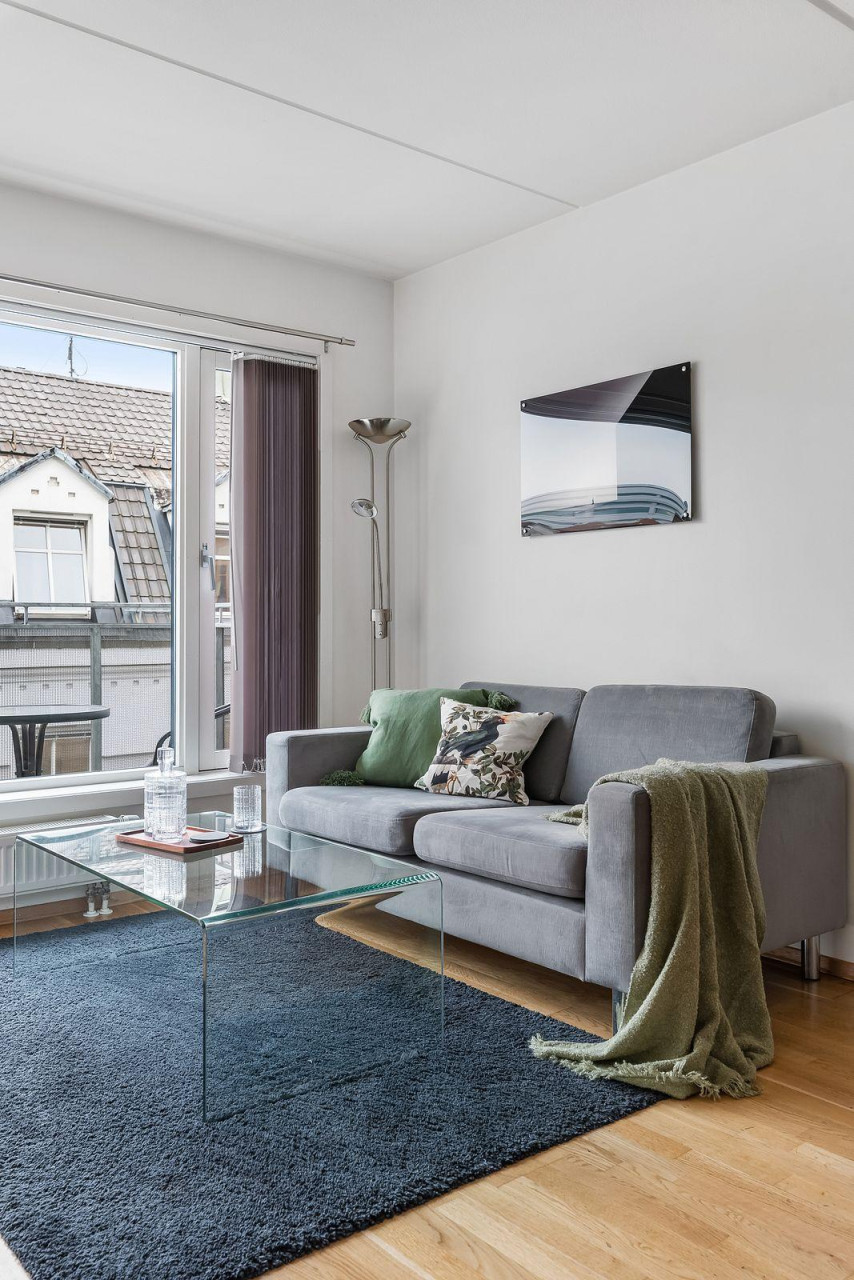
Teaterkvartalet One Bedroom
Oslo - Norway 2+1 guests
-
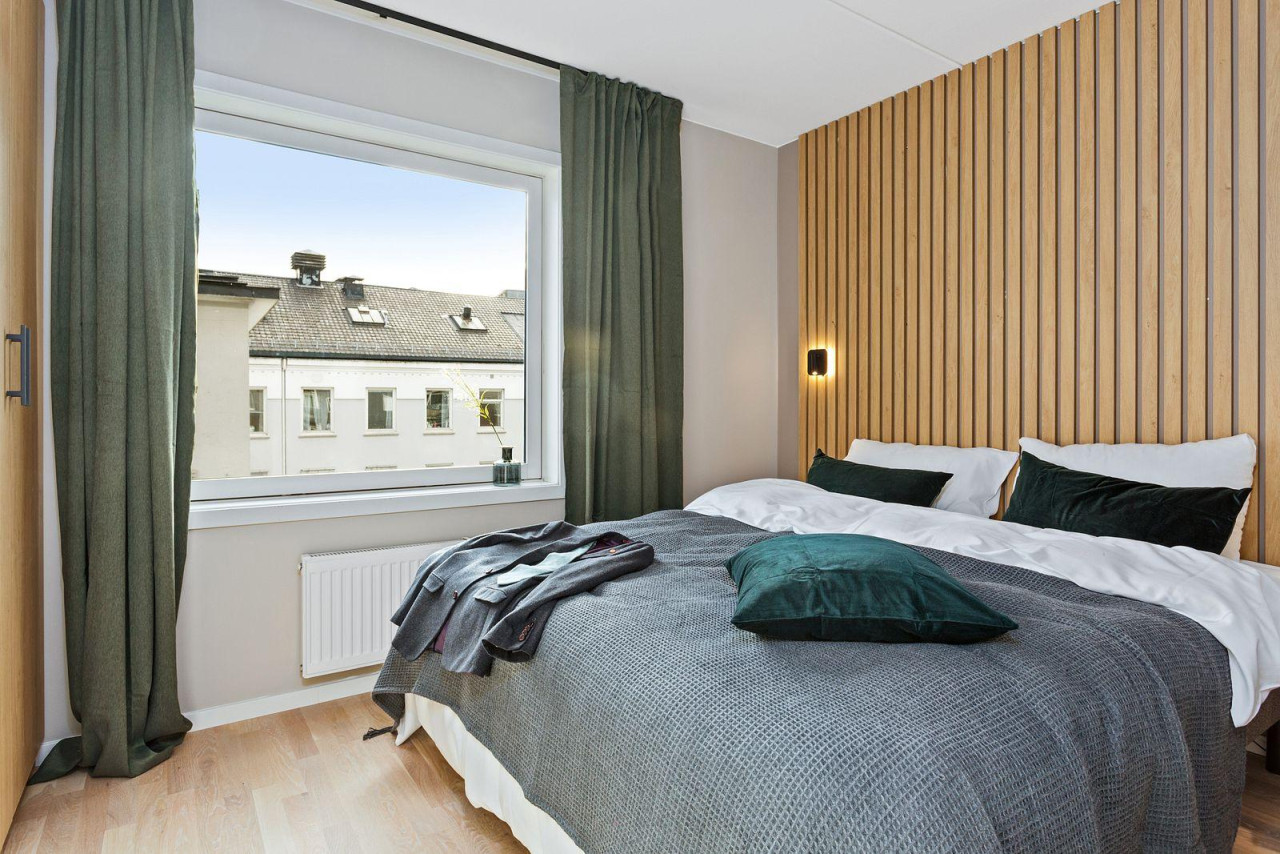
Teaterkvartalet One Bedroom Superior
Oslo - Norway 2+1 guests
-
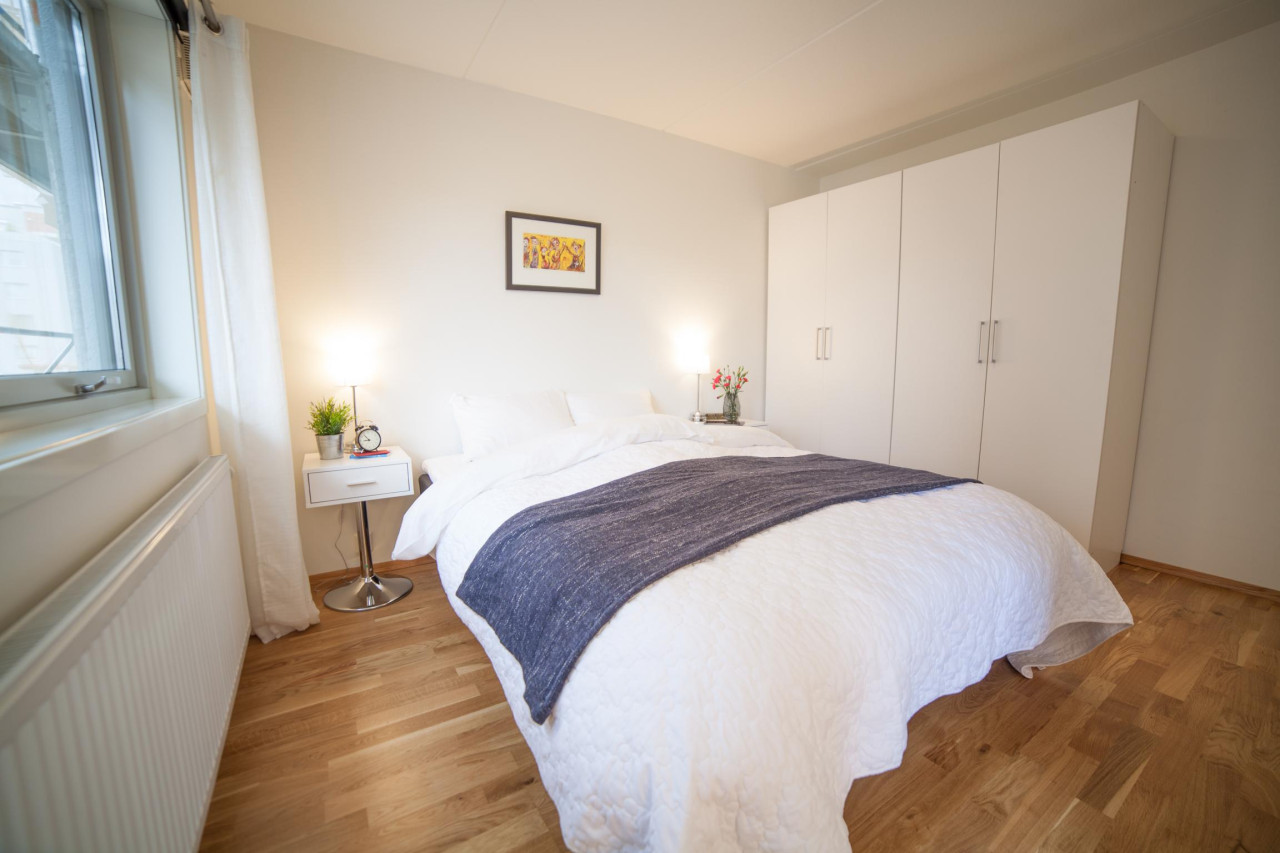
Teaterkvartalet Two Bedroom for 3
Oslo - Norway 3+1 guests
-
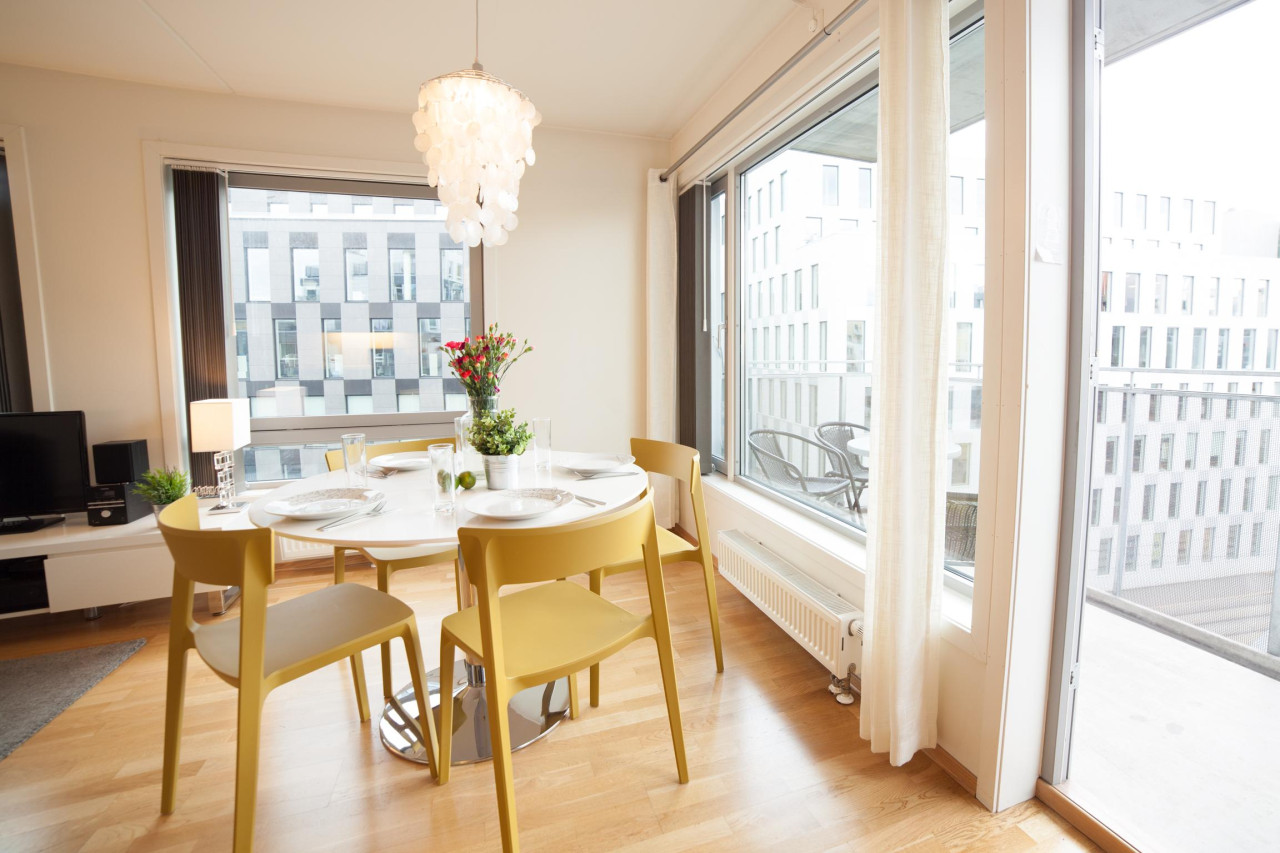
Teaterkvartalet Two Bedroom for 4
Oslo - Norway 4+1 guests
-
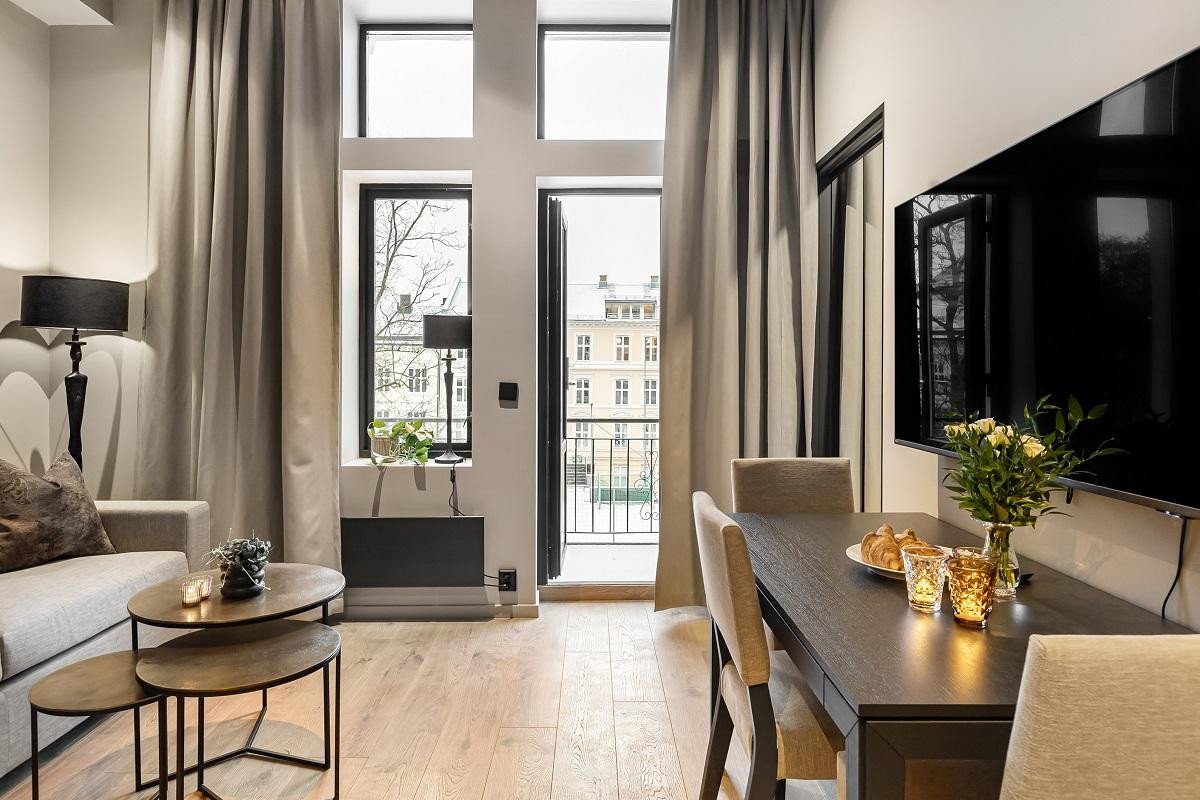
Parkveien One Bedroom

Oslo - Norway 2 guests
-

The Sweet Studio Singel
Oslo - Norway 1 guest
-
The Sweet Studio
Oslo - Norway 2 guests
-
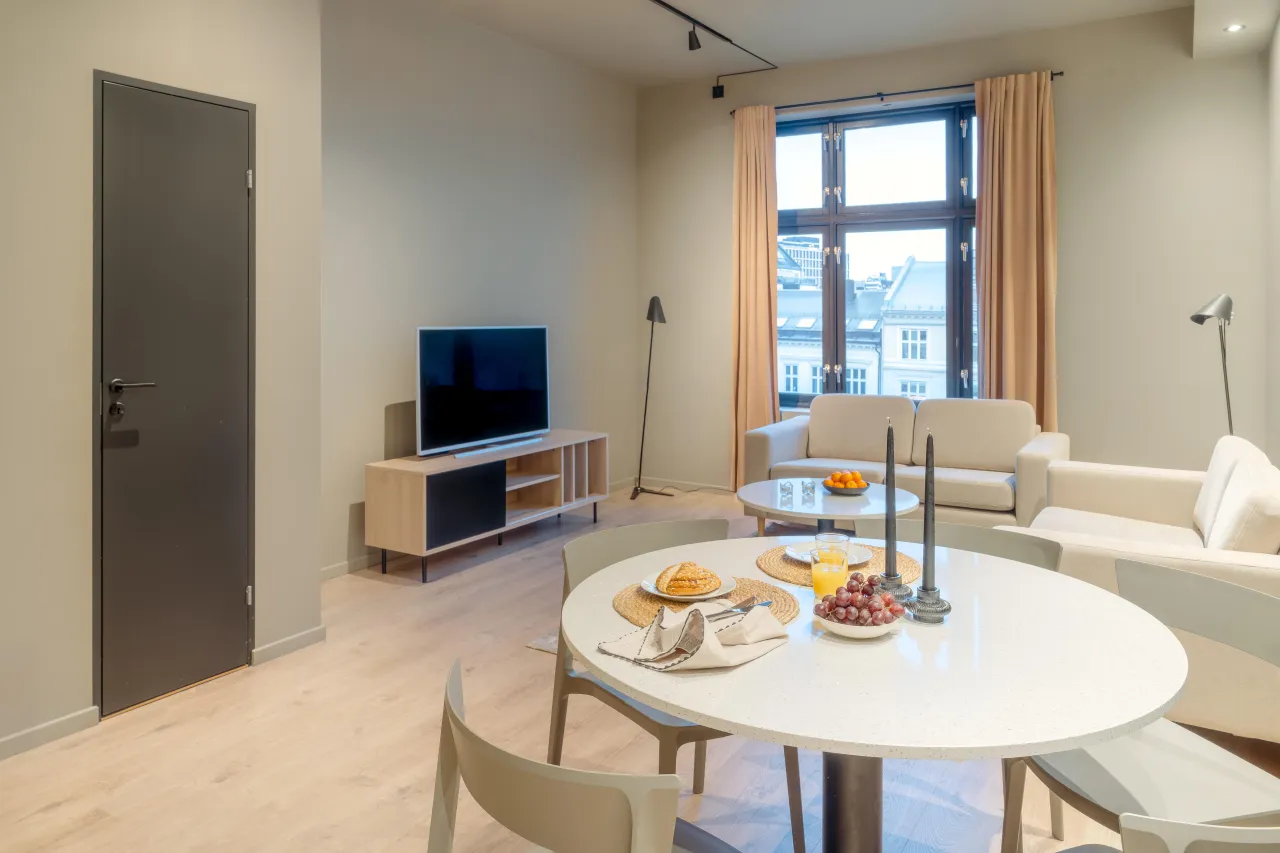
Parkveien Three Bedroom
Oslo - Norway 6 guests
 Vander is a scandinavian hotel apartment chain where you feel more at home than away. Stay for months, weeks or just one night, in a modern apartment.


Copyright © 2026 Vander