Vander Apartments → Oslo Travel Guide → Oslo by season → Oslo in winter
Winter in Oslo
Winter in Oslo is one of the rare European capital experiences where you can combine world-class city culture with real winter nature. Think museums and cosy cafés, fjordside sauna sessions, and metro-access skiing in Nordmarka. Use this guide to quickly decide what to prioritise, how to plan around daylight, and how to move around efficiently.
Back to main seasonal overview → Oslo by season
Winter highlights in Oslo (top 5 experiences)
If you only do a few things in winter Oslo, start here. These are the highest-payoff experiences with the strongest “this is so Oslo” feeling.
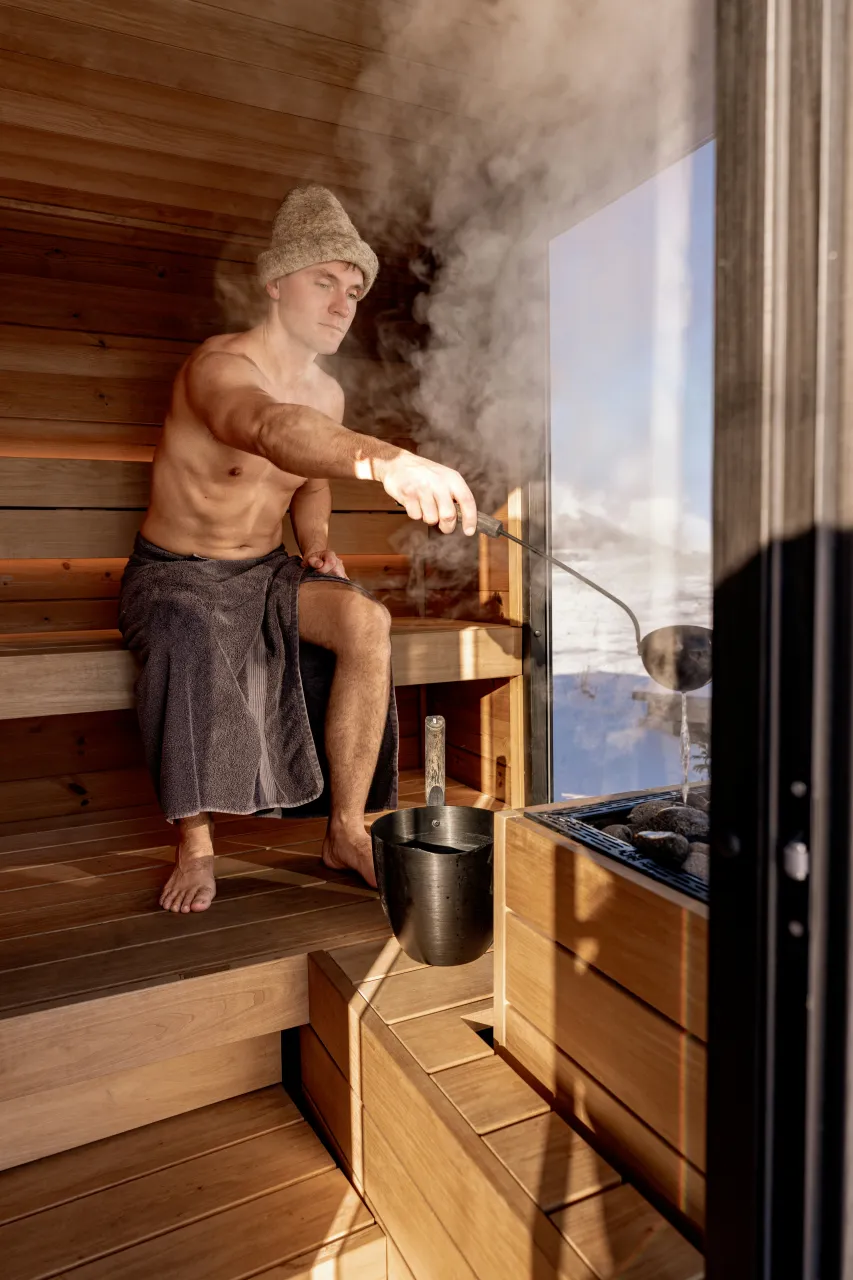
- Sauna + cold dip by the fjord: The #1 winter signature experience. Do it once and you’ll understand why locals love winter here.
- Skiing in Nordmarka (metro-access trails): Real cross-country skiing in forest terrain without needing a car.
- Holmenkollen viewpoint + winter scenery: Classic winter panorama over Oslo and the fjord. Best on clear days.
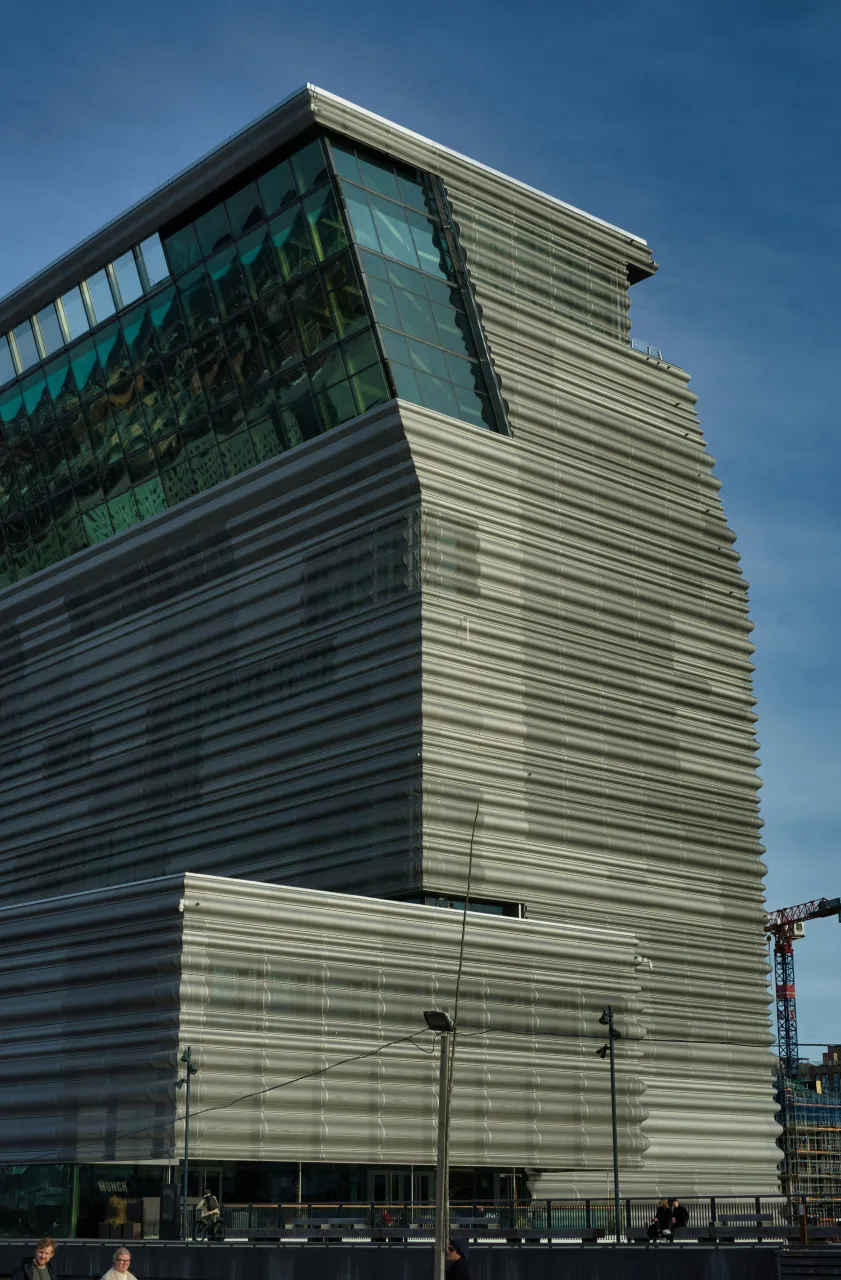
- Museum combo: MUNCH + National Museum: Two world-class museums — perfect when the weather turns.
- Cosy indoor loop: Deichman Bjørvika + cafés: Iconic architecture, warmth, and great coffee in one compact area.
Content
Use the links below to jump straight to what you’re looking for.
What winter in Oslo feels like
Best things to do in Oslo in winter
Oslo winter itinerary ideas (1–3 days)
Christmas in Oslo (markets + lights)
Skiing in Oslo (Nordmarka + Holmenkollen)
What to pack for winter in Oslo
Where to stay in Oslo in winter
What winter in Oslo feels like
Winter in Oslo is crisp, calm, and surprisingly easy to enjoy. Expect darker afternoons, cosy streets, and a rhythm built around warm indoor stops between short outdoor moments.
What makes Oslo special is how close real winter nature is. You can go from central cafés and museums to snowy viewpoints or forest trails in under an hour — without needing a car. The best winter days in Oslo are simple: one strong indoor highlight, one short outdoor “postcard moment”, and one cosy neighbourhood stop.
Planning your full trip?
Best things to do in Oslo in winter
Oslo in winter is all about high-payoff experiences. You don’t need to “do everything” — you just need the right mix: sauna culture, museums, viewpoints, and a few perfect winter walks. Below are the best winter experiences in Oslo, grouped by intent so planning stays fast.
Sauna + cold dip (the ultimate Oslo winter experience)
If you do one winter thing in Oslo, make it this. Sauna culture is a core part of the city’s winter lifestyle — especially along the fjord, where you can combine heat with a cold dip for the full Scandinavian reset. It’s one of the easiest ways to get a memorable winter moment even if the weather is intense.
Planning tip: book evenings or late afternoon. It hits best after a day of walking or museums.
Museum combo days (the smartest winter move)
Winter is the season when Oslo’s museums shine. Instead of spreading museums across several days, build one “culture-heavy” day and keep the rest outdoors. The best combo is MUNCH (Bjørvika) + the National Museum — both are strong experiences and perfect when the weather turns.
Simple winter logic:
One museum day = two museums
The rest of the trip = walks + viewpoints + neighbourhoods

Winter viewpoints (postcard Oslo on clear days)
Clear winter days in Oslo are unreal. Snow and low sunlight give the city a cinematic feel, especially from viewpoints. Keep it simple: choose one viewpoint and treat it as your main outdoor highlight for the day. Late morning or early afternoon works best when daylight is strongest.
Best winter viewpoint setup:
short transport → viewpoint → warm café stop → continue exploring
Deichman Bjørvika (best free winter indoor spot)
Deichman Bjørvika is the best free indoor space in Oslo — and in winter it becomes even more valuable. It’s warm, beautiful, and feels more like a modern cultural landmark than a traditional library. Perfect when you want a high-quality break without spending money.
Best use case: “winter Plan B”
walk → Deichman → café → continue
Cosy neighbourhoods (cafés, local feel, and slow winter energy)
Winter Oslo is at its best when you slow down. The city has a strong café culture and a relaxed neighbourhood vibe, and the smartest winter trips include at least one “cosy loop” with warm stops, local streets, and zero stress.
Simple rule:
Choose one neighbourhood per day
Walk it slowly
Add one strong food stop
Want the best neighbourhood base for winter? → See the best areas to stay in Oslo
Oslo winter itinerary ideas (1–3 days)
Oslo is one of the easiest winter capitals in Europe to plan, because the city is compact and the best experiences fit naturally into a simple rhythm: one indoor highlight, one outdoor winter moment, and one cosy neighbourhood stop. Use the itineraries below as plug-and-play templates depending on how many days you have.
Want the full timed route version? → Weekend itinerary
Prefer free highlights? → Free things to do
| 1 Day – Winter highlights | 2 Days – Perfect balance | 3 Days – Slow winter trip |
|---|---|---|
| Morning Bjørvika waterfront + Oslo Opera House rooftop Coffee near the waterfront Midday MUNCH Museum area Optional warm stop: Deichman Bjørvika Afternoon Akershus Fortress viewpoints + harbour walk Evening Aker Brygge → Tjuvholmen promenade |
Day 1 – Waterfront + museums Opera House rooftop + Bjørvika loop MUNCH or National Museum Akershus Fortress walk Evening at Aker Brygge / Tjuvholmen Day 2 – Views + winter nature Holmenkollen viewpoint Short Nordmarka walk or skiing Café neighbourhood afternoon |
Day 1 – Oslo essentials Opera House + Bjørvika + Akershus Fortress Waterfront dinner Day 2 – Museums + cosy city National Museum Cafés Deichman Bjørvika Day 3 – Nature winter day Holmenkollen + Nordmarka Or skiing + warm cabin stop Evening sauna + cold dip |
Choosing the right base matters more in winter → Best areas to stay in Oslo
Christmas in Oslo (markets + lights)
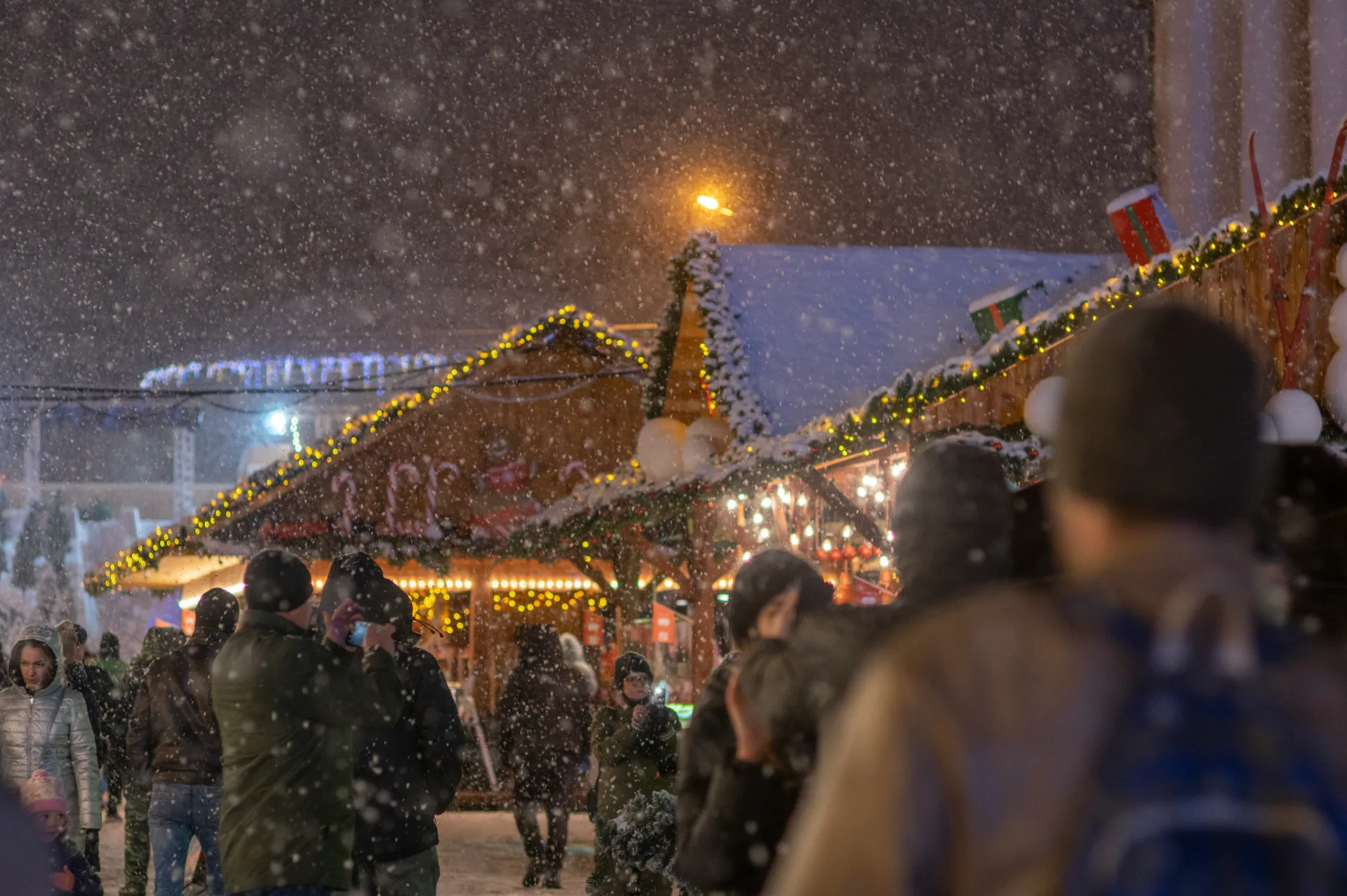
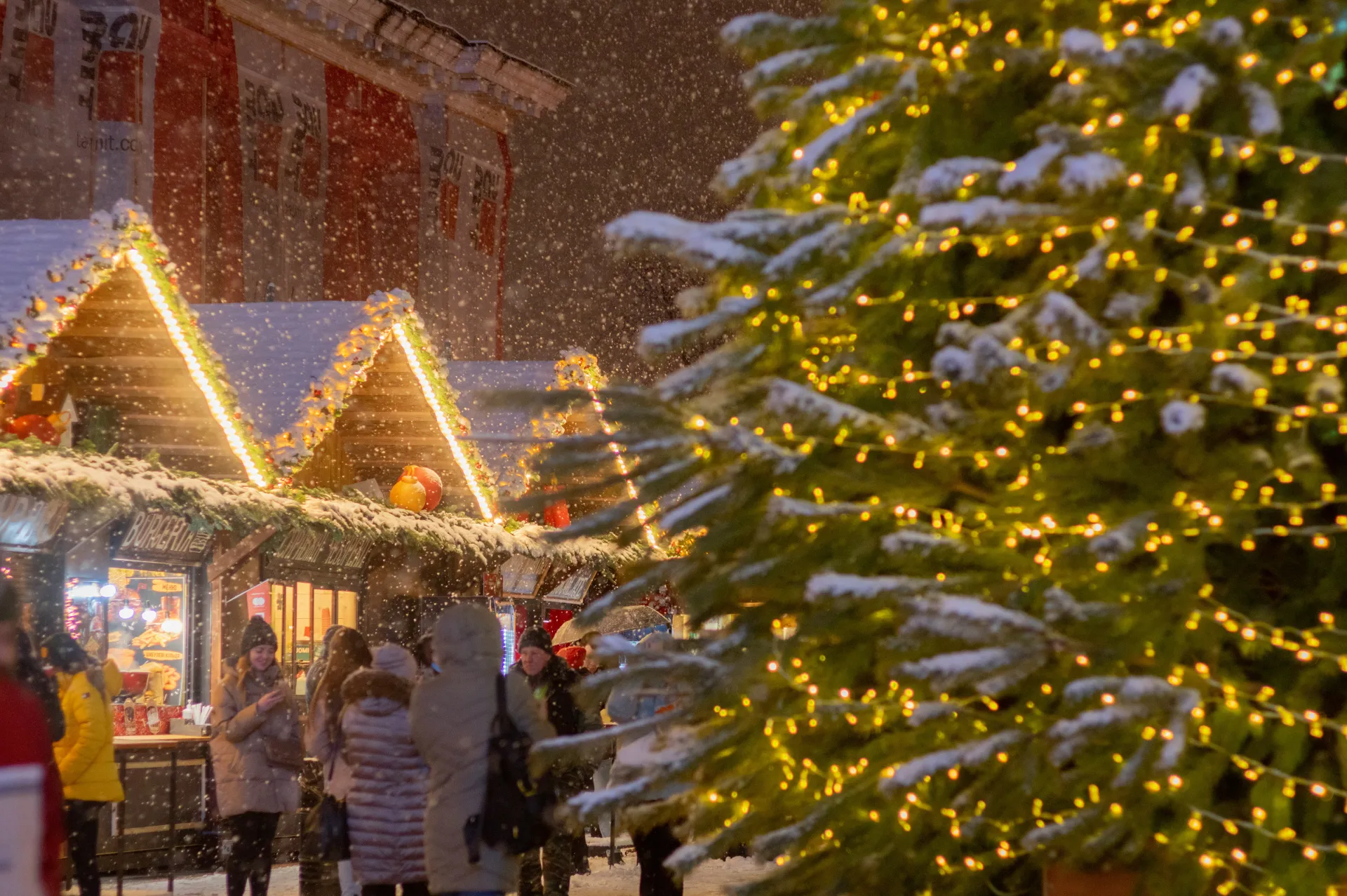
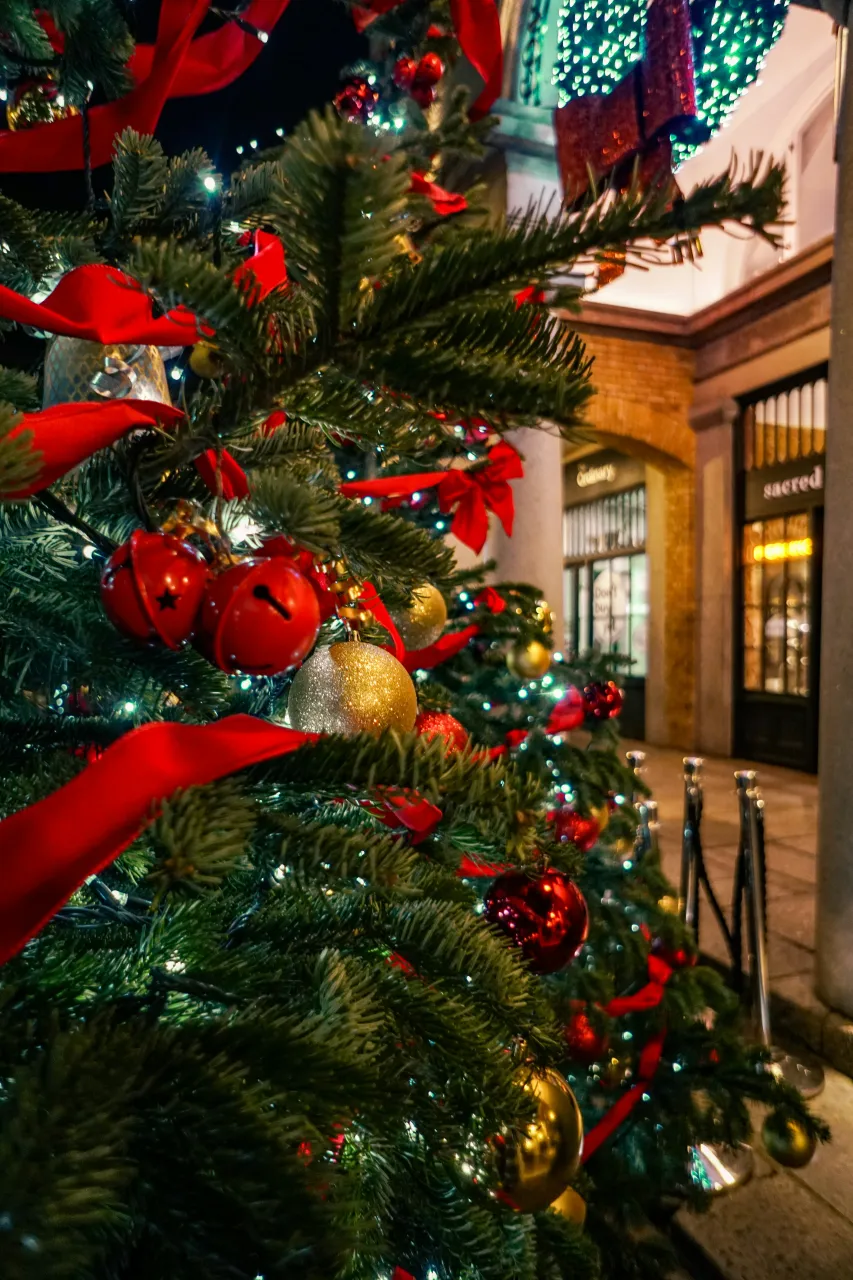
Oslo during the Christmas season is calm, cosy, and genuinely beautiful. The city isn’t “over the top” like some European Christmas destinations — and that’s the charm. It feels Scandinavian: winter lights, warm cafés, seasonal food, and relaxed Christmas markets. If you’re visiting Oslo in December, plan around short daylight and treat evenings as part of the main experience.
Visiting for a short trip? Use the weekend routes → Weekend itinerary
Christmas markets (the fastest way to get winter atmosphere)
Christmas markets are the easiest way to get the festive vibe without planning. Most markets focus on a mix of local snacks, small gifts, winter drinks, and cosy lighting — perfect for a short evening session after sightseeing.
Simple Christmas market rule:
go early evening → one loop → one seasonal snack or drink → continue walking through the lit streets
Local planning tip: treat markets as an “atmosphere stop”, not a full-day activity.

City centre lights + winter walks (best free Christmas experience)
The best part of Christmas in Oslo is the city itself. Winter lighting, decorated streets, and waterfront reflections create the exact vibe travellers want — and it’s completely free.
Best easy routes for Christmas atmosphere:
Karl Johans gate → Royal Palace area (classic central walk)
Aker Brygge → Tjuvholmen (fjord + lights + evening energy)
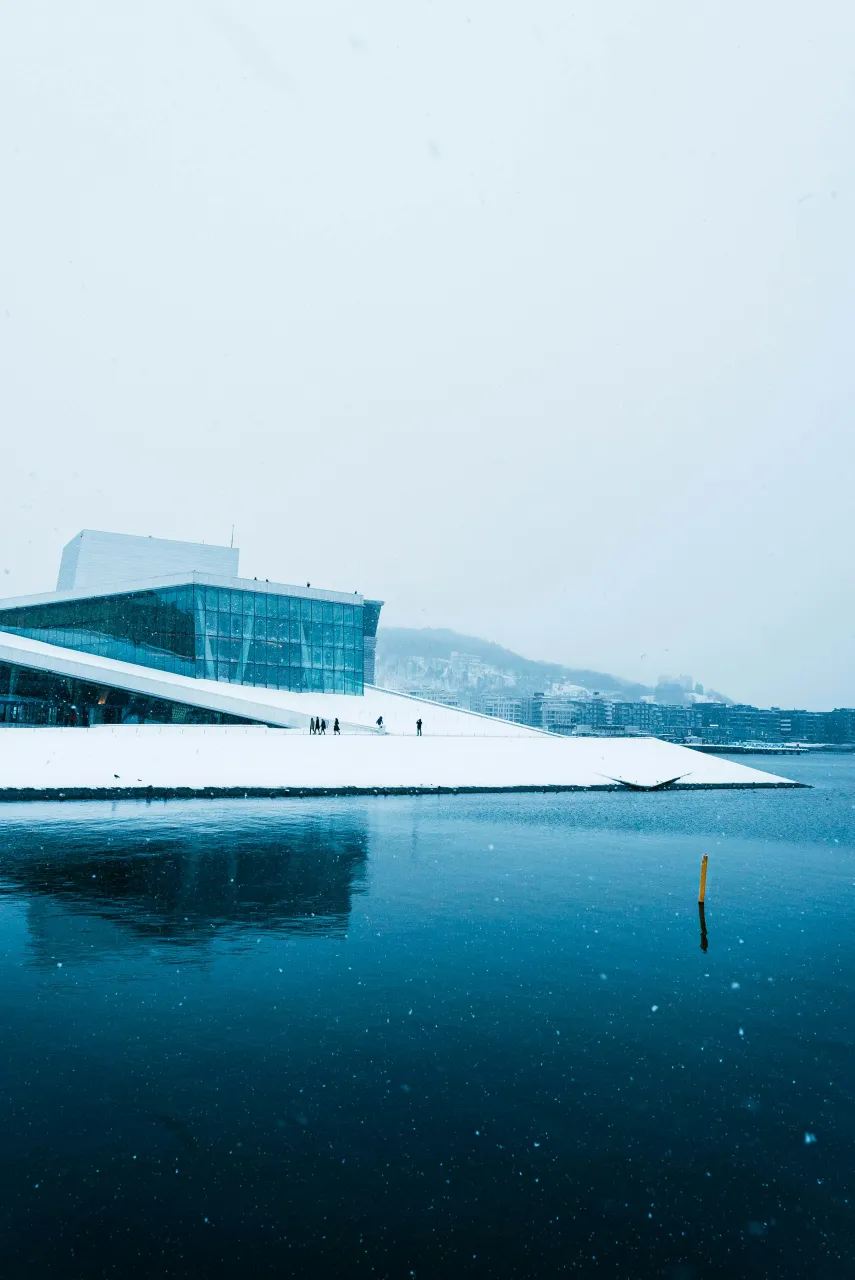
Bjørvika promenade (modern Oslo winter feel)
If you only do one festive walk, choose the waterfront in the evening — the light and atmosphere are unbeatable.
Seasonal food & drinks (what to try in winter)
Winter in Oslo is made for cosy food stops. You don’t need a complicated plan — just choose one warm meal, one bakery stop, and one winter drink moment.
Best winter food strategy:
One “proper dinner” (book ahead on weekends)
One bakery or café stop for pastries + coffee
Optional: hot drink during your evening walk
If you want Oslo to feel local in winter, prioritise cosy restaurants, traditional comfort dishes, and warm cafés — it’s a big part of the city’s winter identity.
Want the best places for winter meals and cosy cafés? → Restaurants guide
Skiing in Oslo (Nordmarka + Holmenkollen)
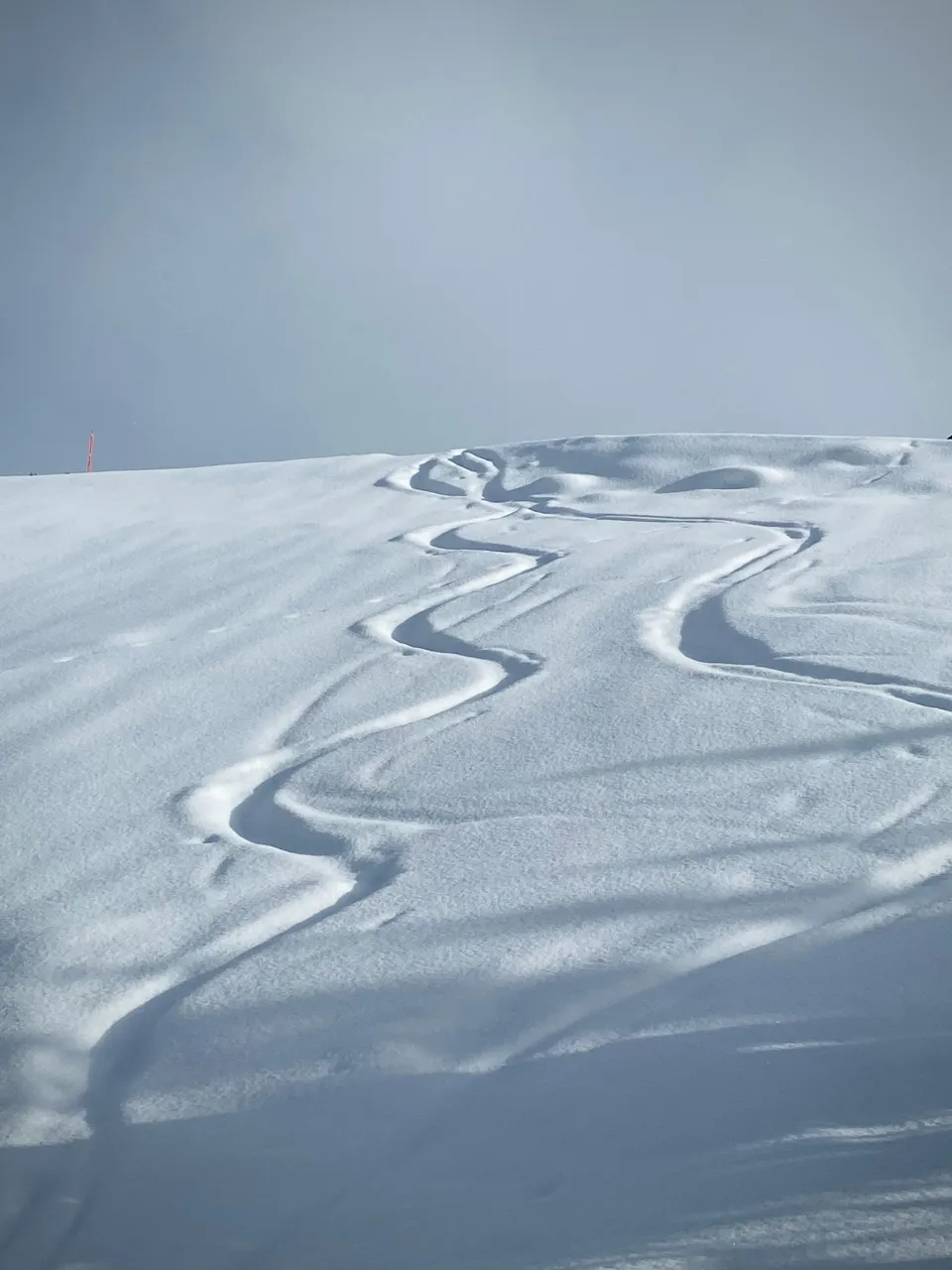
One of the most unique things about winter in Oslo is how close real skiing is to the city. You don’t need a car, you don’t need a mountain resort, and you don’t need to be an expert. With the metro, you can reach proper forest trails in under an hour.
If you want the simplest “Oslo winter nature day”, combine Holmenkollen views + Nordmarka trails. Even if you don’t ski, the area is perfect for winter walks and classic Norwegian forest atmosphere.
Need ticket + metro basics? Getting around Oslo →
Easiest skiing setup (the low-effort version)
If you’re not an experienced skier or just want a smooth, stress-free winter day, this is the simplest approach:
Start in the city → metro to Holmenkollen / Frognerseteren → ski or walk in Nordmarka → return for a cosy café evening.
What makes it easy:
- No car needed
- Clear transport logic
- Decide on the spot whether to ski or walk
- Works even on short trips (half day)
Winter planning tip: keep the ski plan flexible. Oslo winter is perfect for “Plan A: outdoors” and “Plan B: museums + cafés”.
| Best beginner areas (where skiing feels approachable) | Cabins and warm stops (the most Norwegian winter moment) |
|---|---|
|
You don’t need to be advanced to enjoy skiing in Oslo. Nordmarka has long, scenic trails — but you can keep it simple and still get the full Norway winter feeling. Best beginner strategy:
If you’re new to cross-country skiing, the best “first win” is a calm forest loop followed by a warm stop. Local logic: the goal isn’t performance — it’s atmosphere. |
A big part of skiing culture in Oslo isn’t only skiing — it’s the cabin breaks. In Nordmarka you’ll find places where locals slow down, grab something warm, and turn it into a full winter day instead of a workout. Simple cabin rule: Even if you don’t ski far, the cabin stop creates the “full experience”. |
Visiting any other season? → Oslo by season hub
What to pack for winter in Oslo
Packing for winter in Oslo is mostly about one thing: staying comfortable outside without overheating indoors. You’ll walk a lot, go in and out of museums and cafés, and may combine city sightseeing with winter nature. That means your packing should focus on layers, grip, and wind protection.
If you pack correctly, winter Oslo becomes effortless — and you won’t waste half the trip being cold, wet, or underdressed.
Layers checklist (what actually works)
Forget the “one massive jacket” strategy. In Oslo, layers are the real travel hack because weather shifts fast and indoor spaces are warm.
The simple winter layering system:
-
Base layer: thermal top + bottoms (especially if you plan nature time)
-
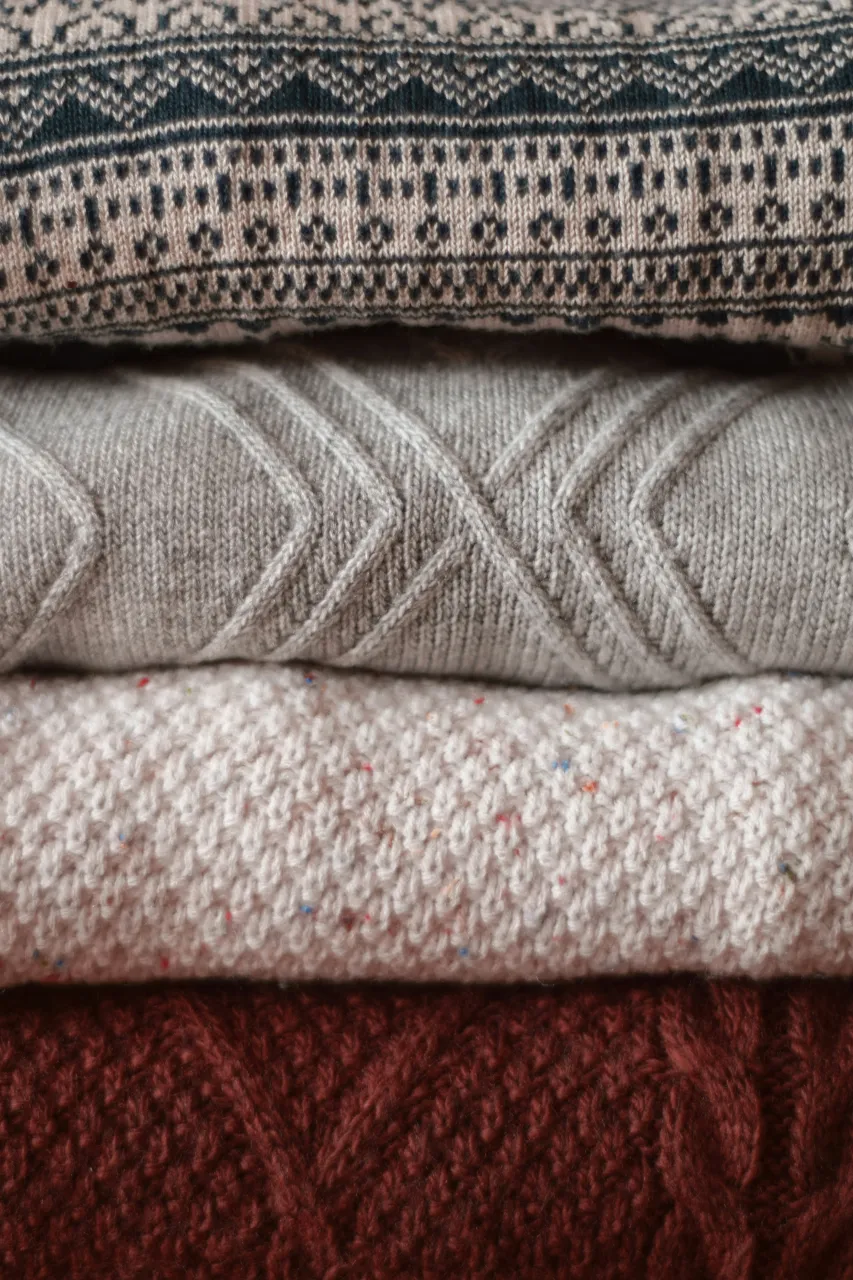
Mid layer: wool sweater or fleece
-
Outer layer: insulated winter jacket (windproof matters more than “thick”)
-
Accessories: beanie, gloves, scarf or neck warmer
Practical tip: If you’re visiting for a short winter weekend, one good jacket + a warm mid layer is usually enough for city activities.
Shoes (the most important winter item)
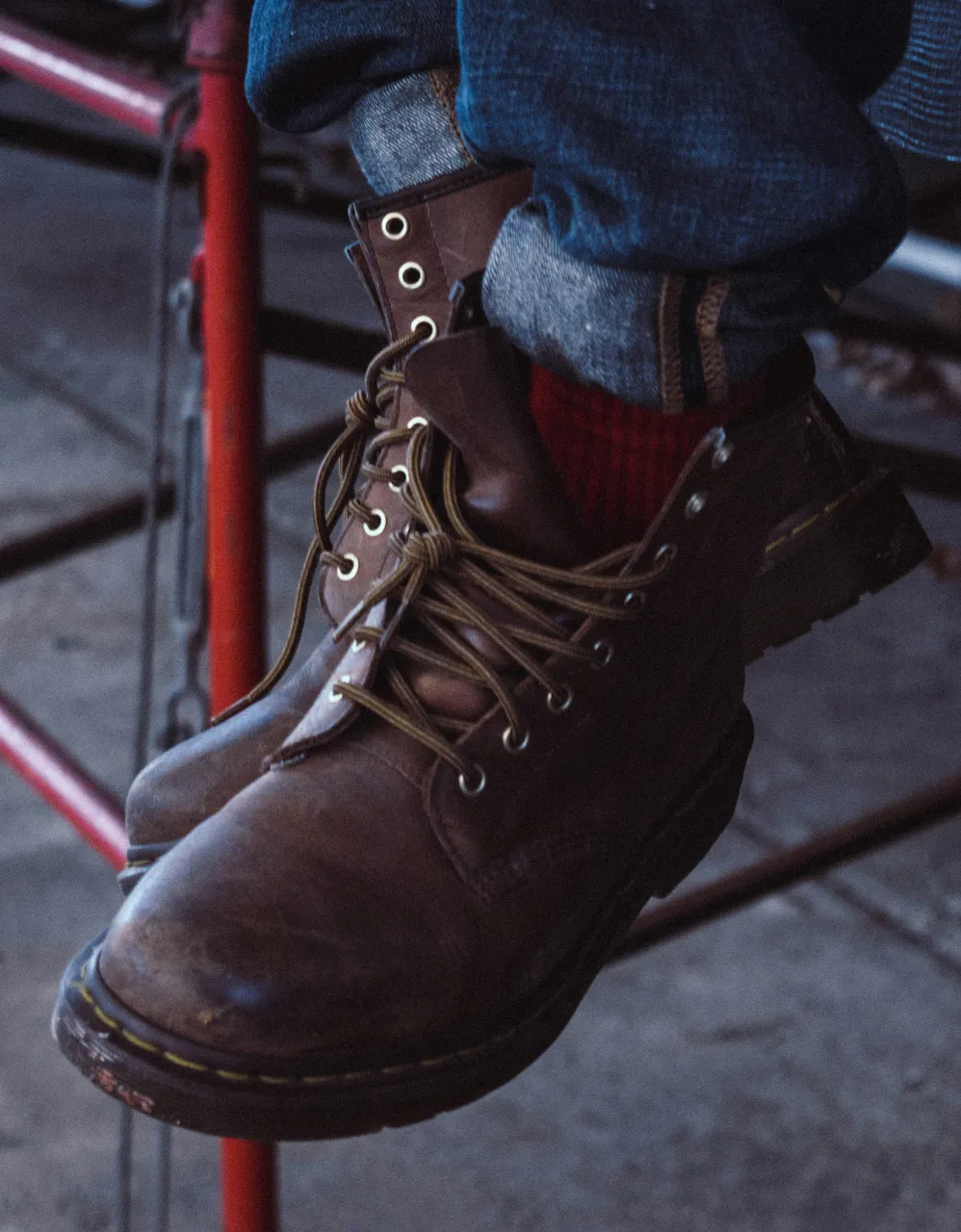
If you get one winter item right in Oslo, make it shoes.
Best winter shoes for Oslo:
-
Waterproof or water-resistant
-
Solid sole with good grip
-
Warm enough for long walks
Avoid: smooth fashion boots with flat soles. They look good but become a problem fast on icy streets.
Simple rule:
If the streets look wet, assume they can freeze later.
Traction tips (how to deal with icy days)
Oslo can be very walkable in winter — but icy sidewalks are the main thing that catches travellers off guard. You don’t need to overthink it, you just need one simple backup.
If you’re visiting during colder weeks:
-
Consider small traction grips (microspikes / ice grips) that fit over shoes
-
Walk slower than you think you need on shiny sidewalks
-
Take stairs carefully, especially in the evening
Choosing the right base makes winter easier → Best areas to stay
Where to stay in Oslo in winter
Where you stay matters more in winter than in summer. In colder months, Oslo becomes a city of walkability and indoor comfort — which means the best winter bases are areas where you can reach restaurants, cafés, museums, and transport on foot.
The best areas to stay in Oslo in winter are central, safe, and well-connected — but they offer different winter trip styles. Use the quick logic below to choose your best base.
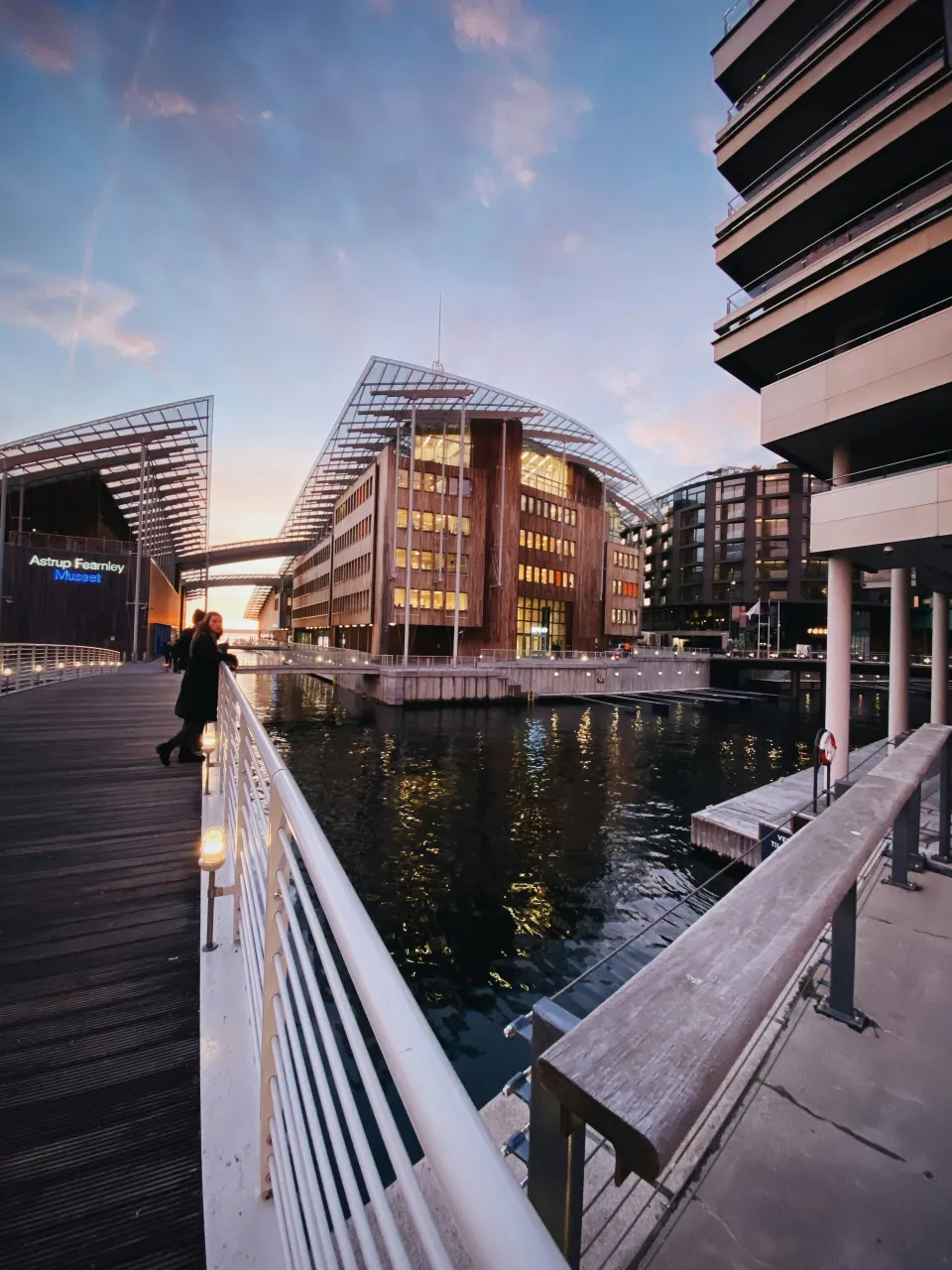
Teaterkvartalet (best for maximum walkability)
- Best for: First-time visitors, short winter weekends (48h / 72h), travellers who want to walk everywhere
- Vibe: Central, lively, extremely walkable
- Why it works in winter: You minimise time outside in bad weather but stay right in the heart of Oslo
Solli (best balance of cosy + central)
- Best for: Couples, café culture lovers, relaxed winter city breaks
- Vibe: Local-feeling, stylish, central
- Winter advantage: Easy rhythm — museum → café → sauna → dinner
Frogner (best for quiet comfort + classic Oslo vibe)
- Best for: Longer stays, quiet nights, high comfort
- Vibe: Elegant, calm, residential luxury
- Winter logic: Great if you prefer slow mornings and cosy evenings
- Pro tip: Occasional short tram rides make it ideal
Winter travel tips (transport + planning)
Winter in Oslo is easy when you plan with the season, not against it. The biggest difference compared to summer is daylight and flexibility. The smartest winter days are built around indoor anchors, then you “spend” daylight on one outdoor moment.
Use these tips to save time and avoid the classic winter mistakes.
Ruter tips (tickets + how to keep it simple)
Oslo’s public transport is smooth in winter — and one of the reasons Oslo works so well as a winter city break.
Simple rules:
- Use walking as default in central Oslo
- Use metro or tram for winter add-ons: Holmenkollen, Nordmarka, Bygdøy-style detours
- If you do multiple rides in one day, a day pass can make sense — but don’t assume you need it automatically
Winter-specific note:
In cold weather you’ll naturally use transport more often. That’s normal — just keep routes simple and avoid unnecessary zig-zag planning.
Daylight timing (the winter itinerary hack)
Daylight is the biggest difference maker in winter. The city still works perfectly — you just need to plan your timing smarter.
Best winter day structure:
-
Morning: museum or indoor highlight
-
Midday daylight window: viewpoint or winter walk
-
Afternoon: café stop + slow neighbourhood stroll
-
Evening: sauna or dinner
This avoids the common mistake: doing outdoor plans too late and missing the best winter atmosphere.
Simple rule:
Treat daylight like a resource — use it intentionally.
Plan B (the best winter strategy)
The best winter travellers always have a backup plan. Oslo weather can shift quickly, and wind + snow can change the vibe fast.
The evergreen Oslo winter Plan B:
Museum → café → Deichman Bjørvika
Why it works:
-
You stay warm, but still experience strong Oslo highlights
-
Deichman feels like an attraction, not “just a library”
-
Works perfectly for December–March trips
Pro tip:
If you’re visiting Oslo in winter, you should almost always plan one day that’s “indoor-first”. That’s what makes the whole trip feel smooth.
Winter FAQs
Is Oslo worth visiting in winter?
Yes. Winter Oslo is one of the best Scandinavian city breaks because you get strong museums, cosy café culture, and real winter nature in the same trip. Few capitals offer metro-access skiing, fjordside saunas, and world-class art in one compact city.
What are the best things to do in Oslo in winter?
The top winter experiences are:
- Sauna + cold dip by the fjord
- Museum combo day (MUNCH + National Museum)
- Holmenkollen viewpoint + Nordmarka forest
- Deichman Bjørvika (best free indoor winter spot)
- Waterfront winter walks (Bjørvika → Aker Brygge)
Can you ski in Oslo in winter?
Yes. Take the metro to Holmenkollen and continue into Nordmarka, where locals ski cross-country in forest trails. It’s one of the easiest city + nature winter setups in Europe.
What is the best month to visit Oslo in winter?
- December = Christmas markets + lights
- January = calm, local winter vibe
- February = peak winter atmosphere
- March = brighter days + winter conditions
Is Oslo expensive in winter?
Oslo is still a high-cost city, but winter can be better value than summer for accommodation. Keep costs down with museums, free viewpoints, and walks.
How many days do you need for a winter trip?
- 2 days = museums + sauna + viewpoints
- 3 days = add skiing or slow neighbourhood day
Do you need a car in Oslo in winter?
No. Oslo is walkable and public transport is excellent. Ruter + walking is enough for city sights and skiing access.
Back to Oslo by season
Explore the full guide and other Oslo sub guides:
 Vander is a scandinavian hotel apartment chain where you feel more at home than away. Stay for months, weeks or just one night, in a modern apartment.


Copyright © 2026 Vander