Vander Apartments → Oslo Travel Guide → Things to Do in Oslo
Things to Do in Oslo
Looking for the best things to do in Oslo? This is Vander’s complete guide to Oslo attractions and sightseeing, covering must-see highlights, museums, viewpoints, neighbourhoods and local favourites.
If you’re deciding what to do in Oslo in 1 to 3 days, start with the quick picks below, then use the table of contents to jump straight to the section you need.
Looking for the full Oslo travel guide with areas, restaurants, transport, and day trips?
Updated for 2026. Reviewed regularly to reflect attraction changes, museum updates, seasonal highlights, and major openings or closures in Oslo.
Quick picks for first time visitors
If it’s your first trip to Oslo, start with these highlights. They offer the best mix of waterfront, culture, viewpoints and local atmosphere.
-
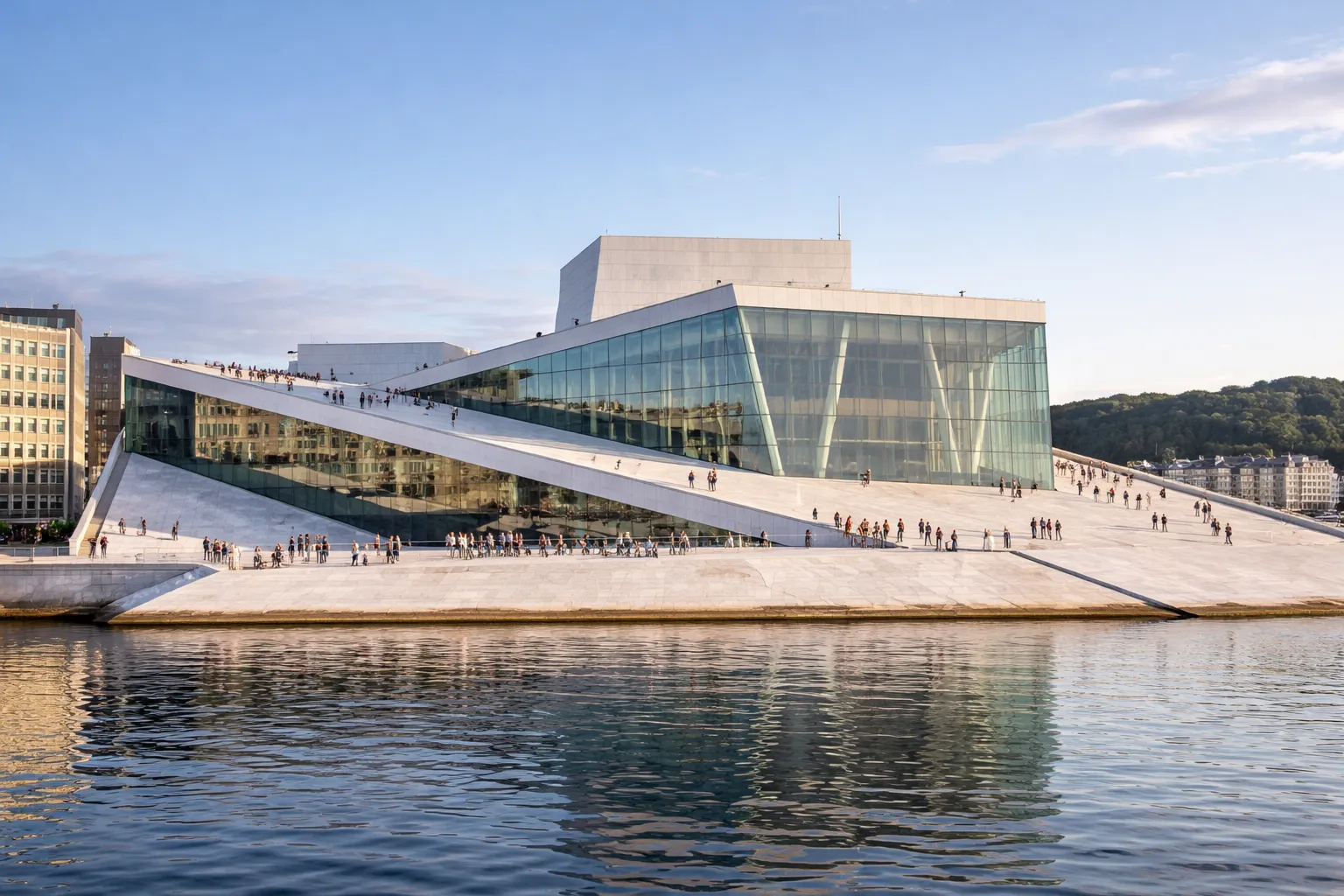
Oslo Opera House rooftop
– walkable roof with harbour views -
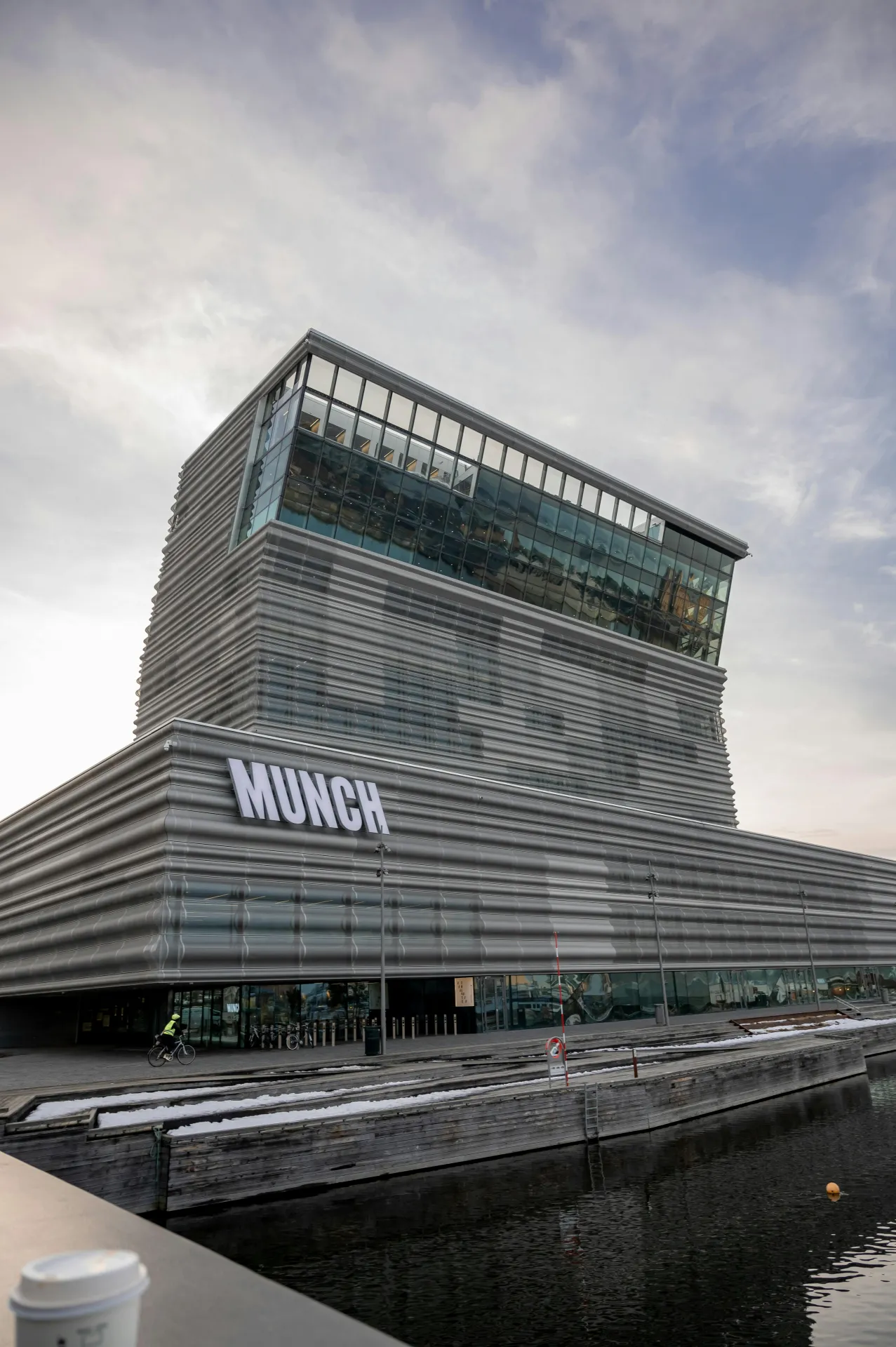
MUNCH Museum
– iconic Munch art in a modern waterfront museum -
Vigeland Sculpture Park
– Oslo’s most famous park walk -
Aker Brygge and Tjuvholmen
– fjord promenade, restaurants and galleries -
Akershus Fortress
– historic waterfront grounds and sunset views -
National Museum (Nasjonalmuseet)
– Norway’s largest art and design collection -
Bygdøy peninsula museums
– Fram Museum, Kon-Tiki and scenic paths -
Oslofjord islands ferry (summer)
– public ferry for easy island hopping -
Grünerløkka
– cafés, street life and vintage shops -
Ekebergparken viewpoint
– panoramic skyline views and sculpture park
Want a simple ready-made 48h or 72h plan?
Weekend in Oslo →
Free things to do in Oslo →

Content
Use the menu below to jump directly to what you are looking for: attractions, museums, viewpoints, nature, local neighbourhoods, family tips and practical sightseeing advice.
Best things to do in Oslo (top attractions)
Oslo map of attractions and highlights
Museums in Oslo
Views and viewpoints in Oslo
Nature and outdoor experiences
Neighbourhoods to explore
Hidden gems in Oslo
Things to do in Oslo with kids
How to choose what to do in Oslo (1–3 days)
Sightseeing tips in Oslo
Oslo FAQs
Best things to do in Oslo (top attractions)
If you’re planning Oslo sightseeing for the first time, these attractions deliver the best mix of culture, waterfront walks, viewpoints and neighbourhood life. Use the list to prioritise without overplanning.
For a central base between the highlights, see central apartments in Oslo.
Top Oslo attractions (must-see)
Oslo Opera House rooftop
Walk up the slanted roof for one of the easiest panoramic views over Bjørvika and the fjord.
MUNCH Museum
A modern waterfront museum with major Munch works plus strong temporary exhibitions.
Vigeland Sculpture Park (Frogner Park)
Oslo’s most iconic outdoor walk, with sculptures and wide park paths.
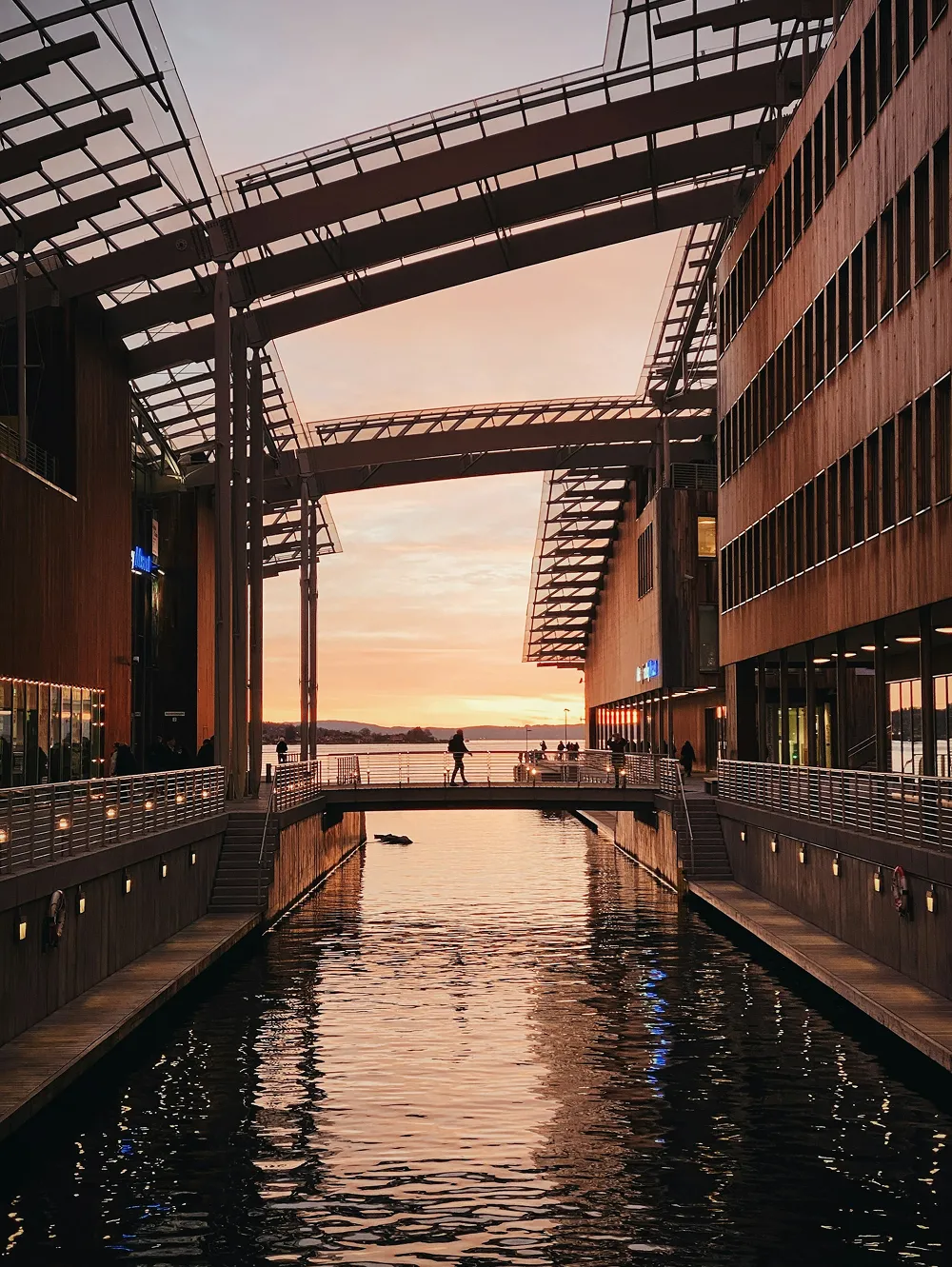
Aker Brygge and Tjuvholmen
The main fjordside promenade for galleries, people watching and an easy evening stroll.
Akershus Fortress
Historic castle grounds with harbour views, ideal for a calm walk near the centre.
National Museum (Nasjonalmuseet)
Norway’s largest art museum, from classic Norwegian art to modern design.
Bygdøy peninsula museums
The easiest area to combine multiple museums in one half day, especially Fram and Kon-Tiki.
Grünerløkka
The best neighbourhood for cafés, vintage shopping and a more local Oslo vibe.
Karl Johans gate to the Royal Palace
Classic central walk linking Oslo S, landmarks and the palace park.
Ekebergparken viewpoint
Skyline views above the city combined with a sculpture park walk.
Holmenkollen ski jump
One of Oslo’s most famous viewpoints, plus easy access to forest trails.
Want the full 48h or 72h plan with pacing and timing?
Weekend in Oslo →
Want the best budget highlights instead?
Free things to do in Oslo →
Back to the full Oslo guide hub:
Guide to Oslo →
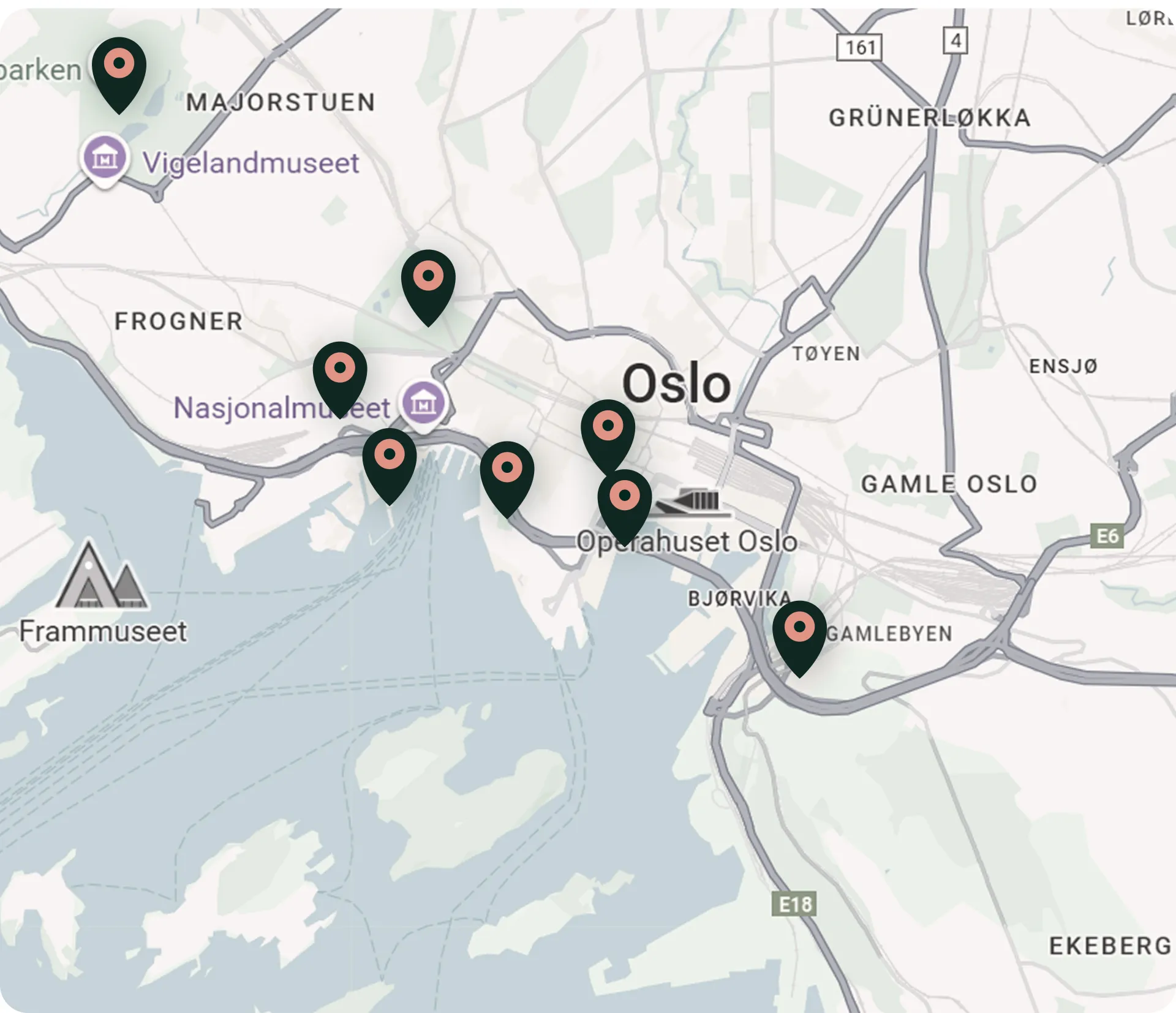
Oslo sightseeing map (attractions and highlights)
This map gives you a quick overview of Oslo’s main sightseeing zones and the easiest way to connect the highlights. Use it for orientation first, then open the relevant deep guide when you want full details, routes and practical tips.
What the map shows (keep the pins clean):
-
Attractions and must-see highlights
-
Museums
-
Viewpoints and scenic walks
How to use it:
Plan around one anchor per day (museum or landmark), then fill the rest with a scenic walk and a neighbourhood vibe. Oslo works best when you walk first and keep transport as a backup.
Use the guides for details:
-
Museums and top attractions → jump to the sections on this page
-
Neighbourhoods (food focus) → Restaurants in Oslo
-
Planning and logistics → Weekend in Oslo + Getting Around Oslo
Museums in Oslo
Oslo has one of the best museum scenes in Scandinavia, from world-class art collections to polar exploration ships you can step inside. For a 1–3 day trip, the simplest rule is: choose one main museum, then pair it with an outdoor walk or neighbourhood.
Best museums for first time visitors
-
National Museum (Nasjonalmuseet) – best main museum choice
-
MUNCH Museum – the most iconic art experience
-
Nobel Peace Center – compact, central, easy to fit in
-
Oslo City Museum (Frogner Park) – easy add-on with Vigeland
-
The Viking Planet – modern digital experience, great for short stays
-
Akershus Fortress museums – small exhibitions in a historic setting
Unique and niche museums
-
Fram Museum (Bygdøy) – polar exploration and the Fram ship
-
Kon-Tiki Museum (Bygdøy) – expedition stories and original artefacts
-
Norsk Folkemuseum – open-air museum with historic buildings
-
Norwegian Maritime Museum – coastal and fjord culture
-
Norwegian Resistance Museum – WWII history inside the fortress grounds
Want museums placed into an easy plan?
Weekend in Oslo →
Looking for current exhibitions and events?
Events in Oslo →
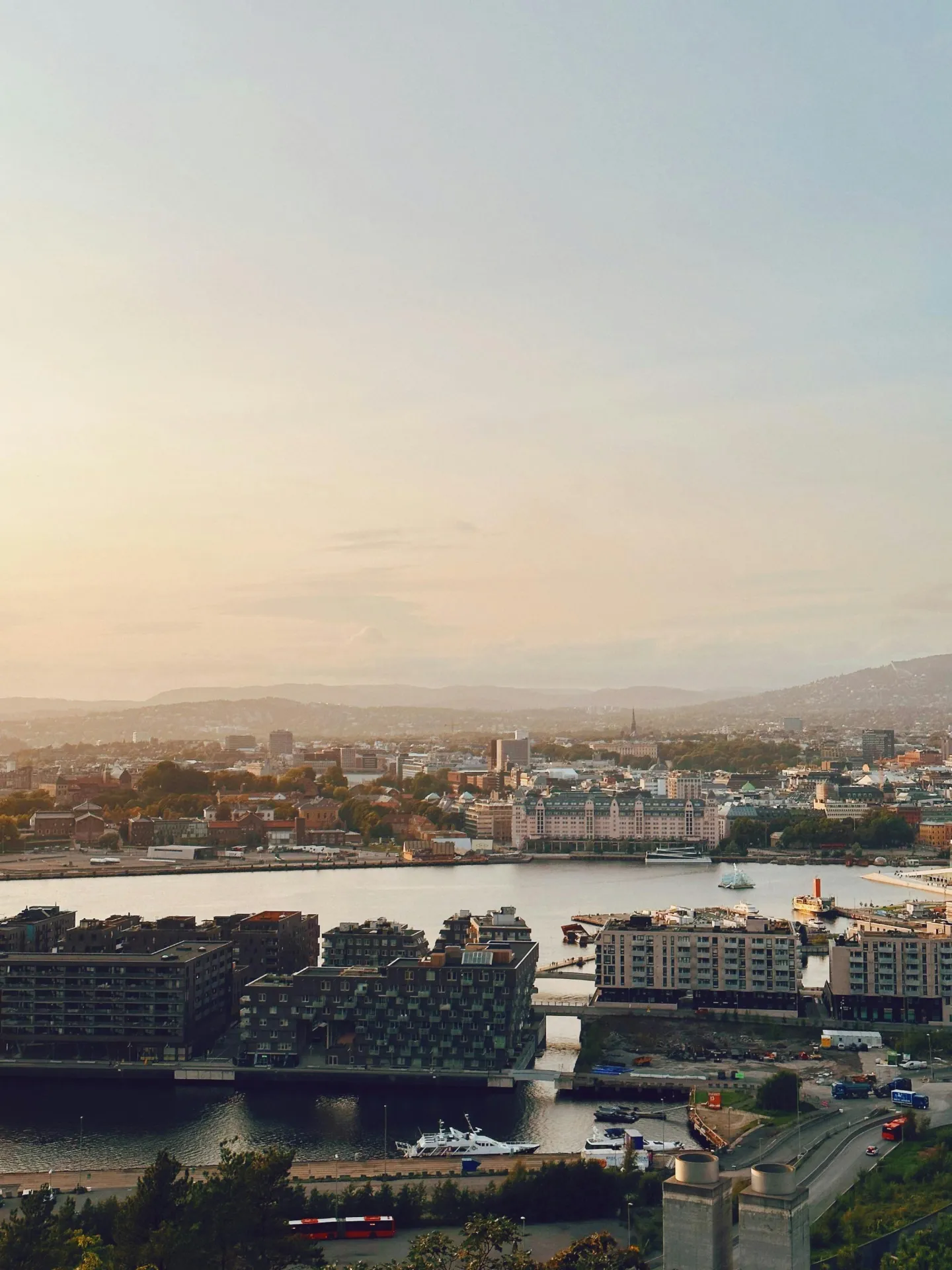
Views and viewpoints in Oslo
Oslo’s fjord and surrounding hills make viewpoints easy. You can get panoramic views without extreme hikes, and many spots combine well with museums and waterfront walks.
Best viewpoints in Oslo
Oslo Opera House rooftop
Go early for fewer people, or after sunset for city lights reflecting on the water.
Ekebergparken viewpoint
Skyline views plus a sculpture park setting. Walk a few minutes to find quieter angles.
Holmenkollen ski jump
Wide fjord panorama and a strong winter vibe. If fog hits, do the museum and café instead.
Grefsenkollen
Local favourite for a cinematic city panorama, especially at twilight.
St. Hanshaugen park viewpoint
The best central viewpoint you can reach on foot, perfect for a quick scenic break.
Akershus Fortress viewpoints
More atmosphere than height. Walk the outer edges for the best fjord angles.
Best sunset spots
-
Akershus Fortress and harbour walk – best sunset experience with atmosphere
-
Ekebergparken – best skyline silhouette
-
Aker Brygge and Tjuvholmen – easiest central sunset stroll
Outdoor and nature experiences
Oslo is one of the few capitals where you can combine city sightseeing with real nature in the same day. These are easy outdoor plans that fit a 1–3 day trip.
Oslofjord islands (quick island vibe in summer)
Public ferries make it easy to get a beach and picnic feel without a full excursion. Keep it simple: pick one island and take it slow.
For ferry routes, tickets and practical steps:
Getting Around Oslo → (official: Ruter)
Parks, forests and easy walks
-
Frogner Park and Vigeland area – green break between sights
-
Akerselva river walk – best “nature in the city” route
-
St. Hanshaugen – quick central park walk with views
-
Ekebergparken trails – viewpoint plus real walking paths
-
Nordmarka (short version) – metro to forest edge for a simple loop
-
Sørenga and Bjørvika waterfront walks – low effort fjord air and evening vibe
Want proper day trip planning outside Oslo?
Day trips from Oslo →

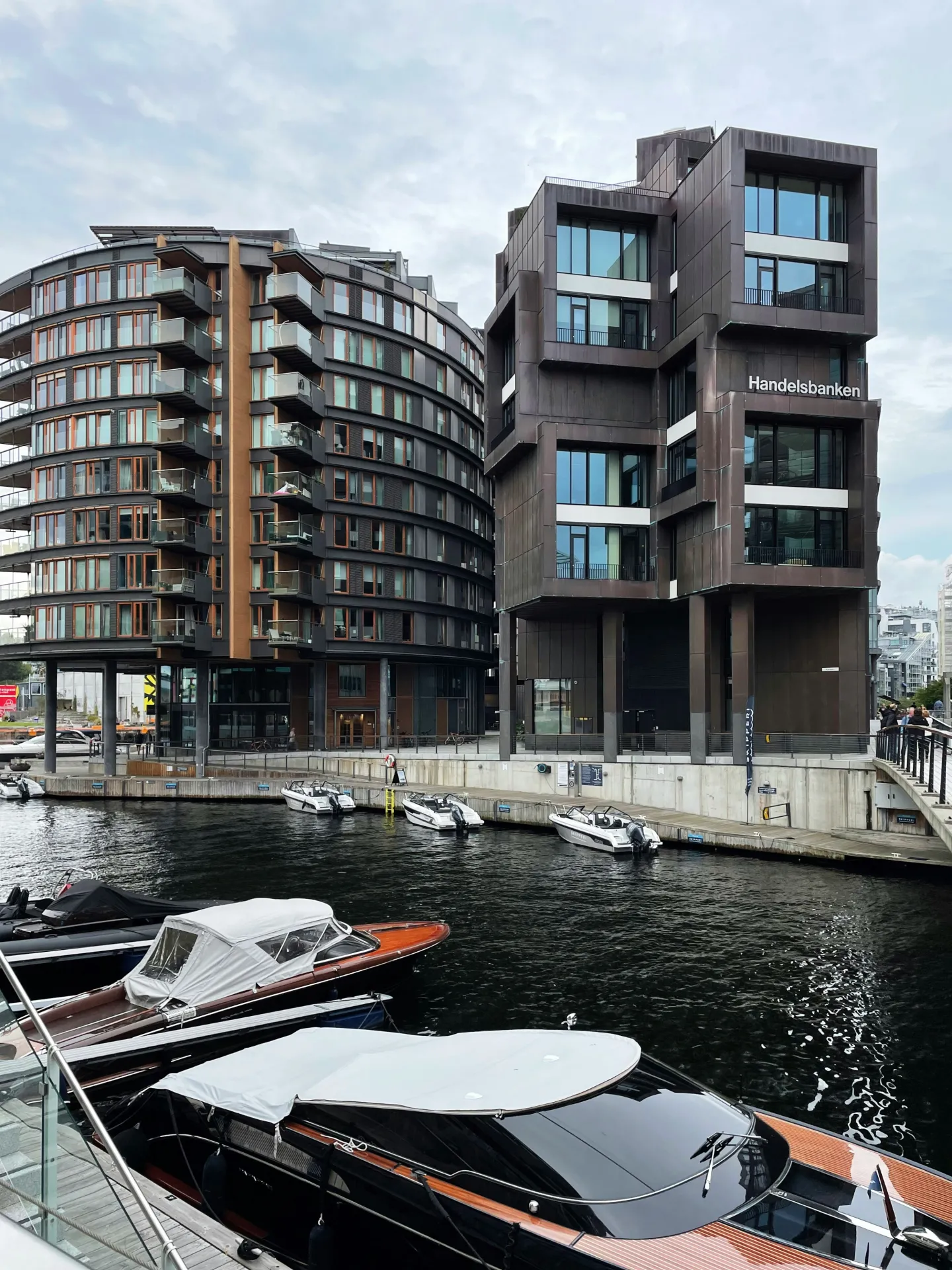
Neighbourhoods to explore (local Oslo vibes)
These areas give you the “Oslo feeling” beyond the main sights, and they’re easy to add without heavy planning.
For a central base in these neighbourhoods, see central apartments in Oslo.
Grünerløkka
Street life, cafés, vintage shops and relaxed local energy. Great for afternoons and evenings.
Bjørvika
Modern waterfront architecture, museums and easy scenic walking.
Frogner
Calmer, greener and more classic Oslo, especially around park areas.
Majorstuen (good base vibe)
A local-feeling area with shopping streets, cafés and fast access to parks and the metro.
Want a food-focused guide by neighbourhood?
Restaurants in Oslo →
Where to stay in Oslo →
Hidden gems in Oslo
These quieter stops add variety if you’ve already done the classics.
-
Akerselva side paths – shorter scenic sections most visitors miss
-
Local markets in Grünerløkka – best on weekends
-
Damstredet and Telthusbakken – charming wooden street vibe for photos
-
Ekebergparken trails beyond the main viewpoint – calmer angles and fewer people
-
Hovedøya ruins (summer) – quick “nature + history” feel close to the city (keep it short and flexible)
Things to do in Oslo with kids
Oslo is a strong city break for families because it’s compact and easy to move around. These are the best family friendly highlights with minimal planning.
Best family friendly attractions
-
Norwegian Museum of Science and Technology (Teknisk Museum) – most interactive choice
-
Norsk Folkemuseum (Bygdøy) – outdoor space and historic buildings
-
Fram Museum (Bygdøy) – walk inside a real polar ship
-
Vigeland Sculpture Park – stroller friendly and space to run
-
Oslo Opera House rooftop – free, central and fun to walk
-
Oslo Reptile Park (Oslo Reptilpark) – a fun indoor stop with snakes and reptiles, perfect on rainy days
Extra family add-ons (if you have time)
-
TusenFryd (near Oslo) – Norway’s biggest theme park and the best full-day family option in summer
Want the easiest family pacing plan?
Weekend in Oslo →
Age guide (what works best by age)
-
0–4: Vigeland, Folkemuseum, Opera rooftop
-
5–10: Teknisk Museum, Fram, Folkemuseum, Reptile Park
-
11+: Teknisk Museum, Ekebergparken walks, Holmenkollen, TusenFryd (summer)
-medium.webp)
How to choose what to do in Oslo (1–3 days)
If you only remember one rule: pick one anchor, then build the rest around walking.
-
Choose one anchor per day (museum or landmark)
-
Add one scenic walk (waterfront, park or river route)
-
Finish with one neighbourhood for local vibe
-
Keep transport as a backup, not the plan
If you want the full 48h and 72h structure with pacing and timing:
Weekend in Oslo →
Oslo travel tips for sightseeing
-
Oslo is easiest when you walk first, then use transport for specific add-ons
-
Museums work best as one main museum per day, not three
-
Viewpoints are best early morning or late evening for fewer people
-
Weather changes fast, so keep one indoor backup option
Need ticket and airport details?
Getting Around Oslo → (official: Ruter)
Oslo common questions
What are the best things to do in Oslo?
Top picks include the Oslo Opera House rooftop, MUNCH Museum, Vigeland Sculpture Park, Akershus Fortress, Aker Brygge and the National Museum. Add Grünerløkka for local vibe.
Is Oslo worth visiting?
Yes. Oslo is compact and easy, with world-class museums, fjord views, strong food culture and quick access to nature.
How many days do you need in Oslo?
2 to 3 days is ideal for first timers. That’s enough for highlights, one neighbourhood and one nature experience without rushing. See 48h and 72h itineraries →
Is Oslo expensive?
Yes, but you can balance costs with walking, free viewpoints, parks and smart ticket choices. See free things to do →
What is the best time to visit Oslo?
May to September is best for long days and outdoor life. December to March is best for winter atmosphere and cosy culture.
Is the Oslo Opera House rooftop free?
Yes, the roof is open to the public and free to visit.
What are the best museums in Oslo?
National Museum and MUNCH are the top first time picks. Fram Museum and Teknisk Museum are great for families.
Is Oslo walkable for sightseeing?
Yes. Central Oslo is very walkable. Use tram or metro mainly for Bygdøy and viewpoints outside the centre.
How do you get from Oslo Airport to the city centre?
The fastest and easiest option is usually the train to Oslo Central Station, then walking or local transport.
Do you need a car in Oslo?
No. You can explore Oslo easily with public transport and walking. A car is mainly useful for multiple day trips outside the city. Getting around Oslo → + Day trips from Oslo →
Need help planning your Oslo trip?
Want the simplest ready-made plan?
Weekend in Oslo →
Want budget highlights?
Free things to do →
Choosing where to stay?
Where to stay in Oslo →
Want the food guide?
Restaurants in Oslo →
Ready to book your stay in Oslo?
Make your trip easier with a premium apartment hotel stay. Vander apartments give you more space than a hotel, a kitchen, and a flexible base in Oslo’s best areas.
Apartments
-
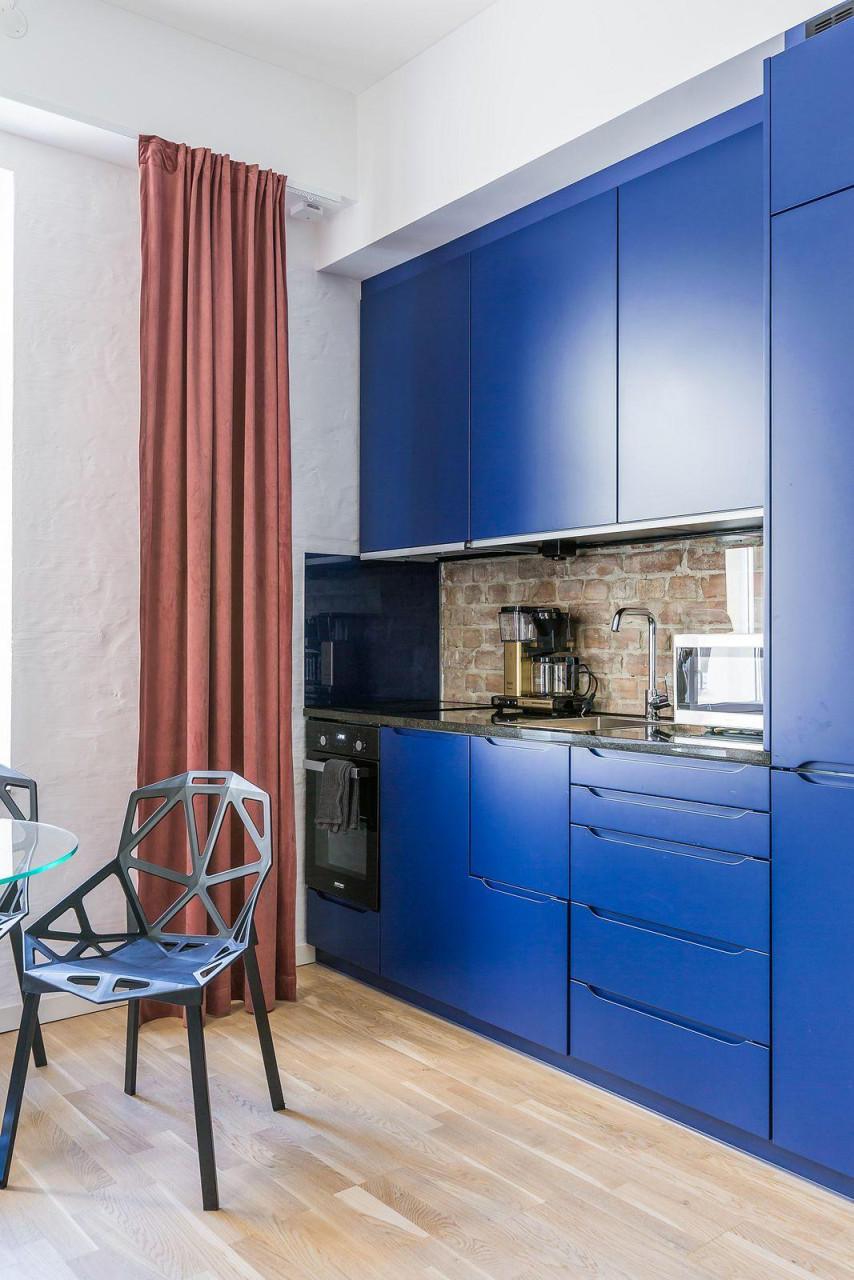
Solli Studio

Oslo - Norway 2 guests
-
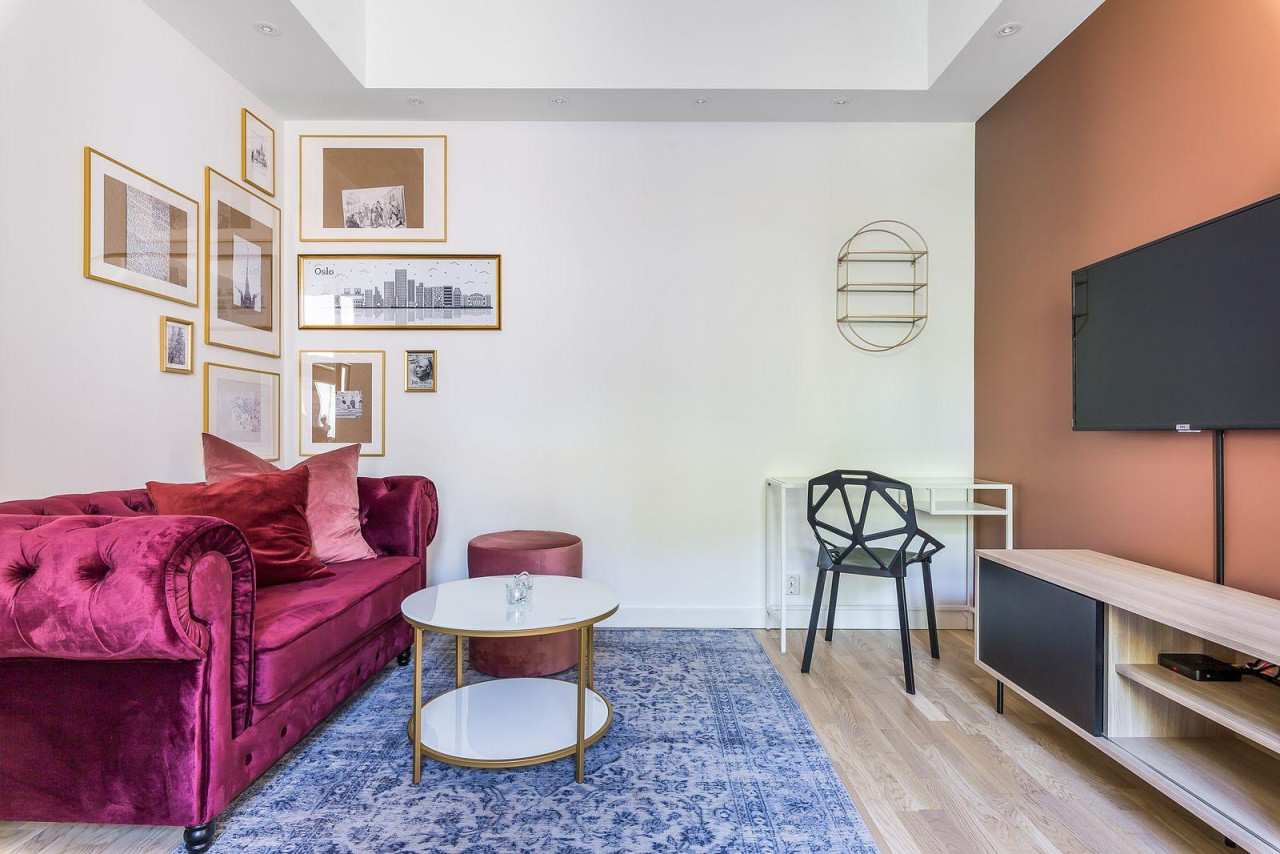
Solli One Bedroom
Oslo - Norway 2+1 guests
-
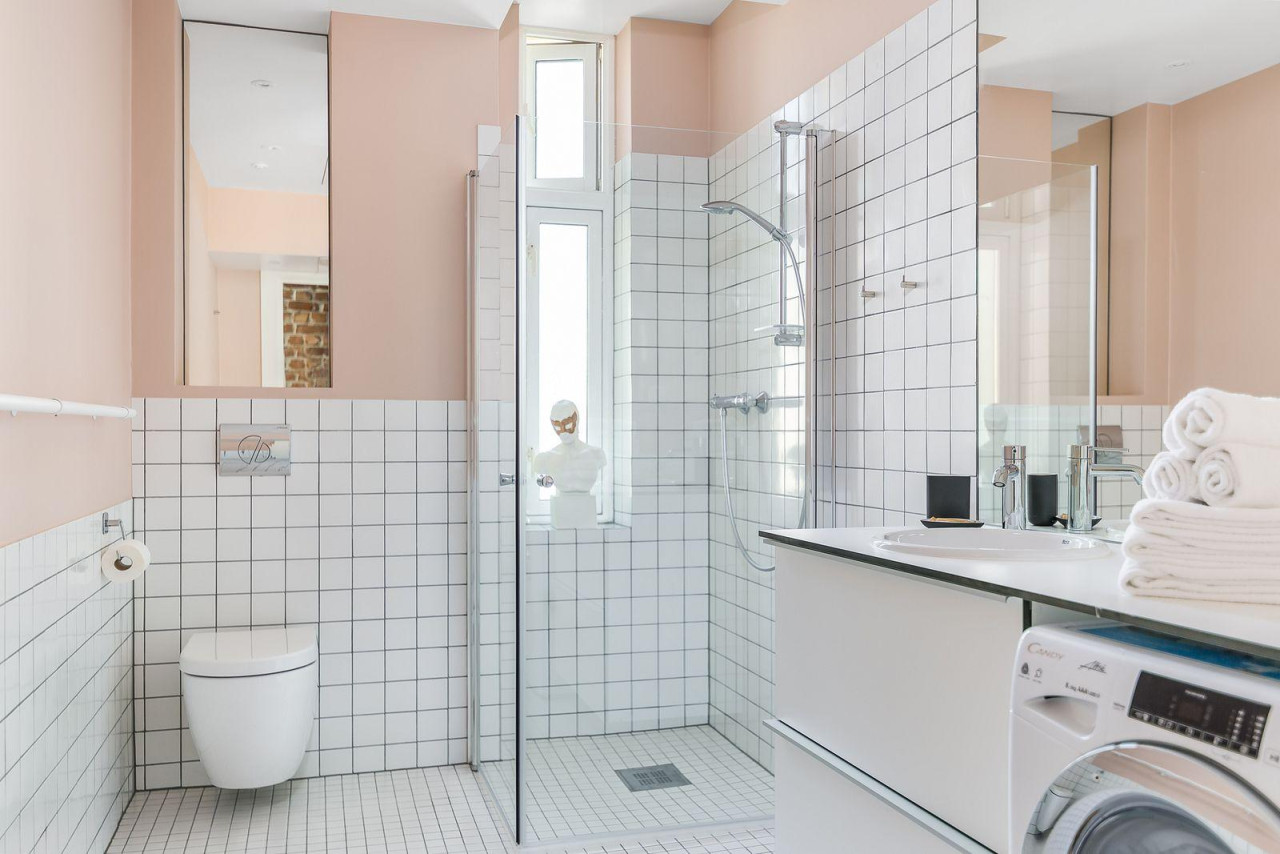
Solli Two Bedroom for 3
Oslo - Norway 3+1 guests
-

Sørenga One Bedroom

Oslo - Norway 2+1 guests
-
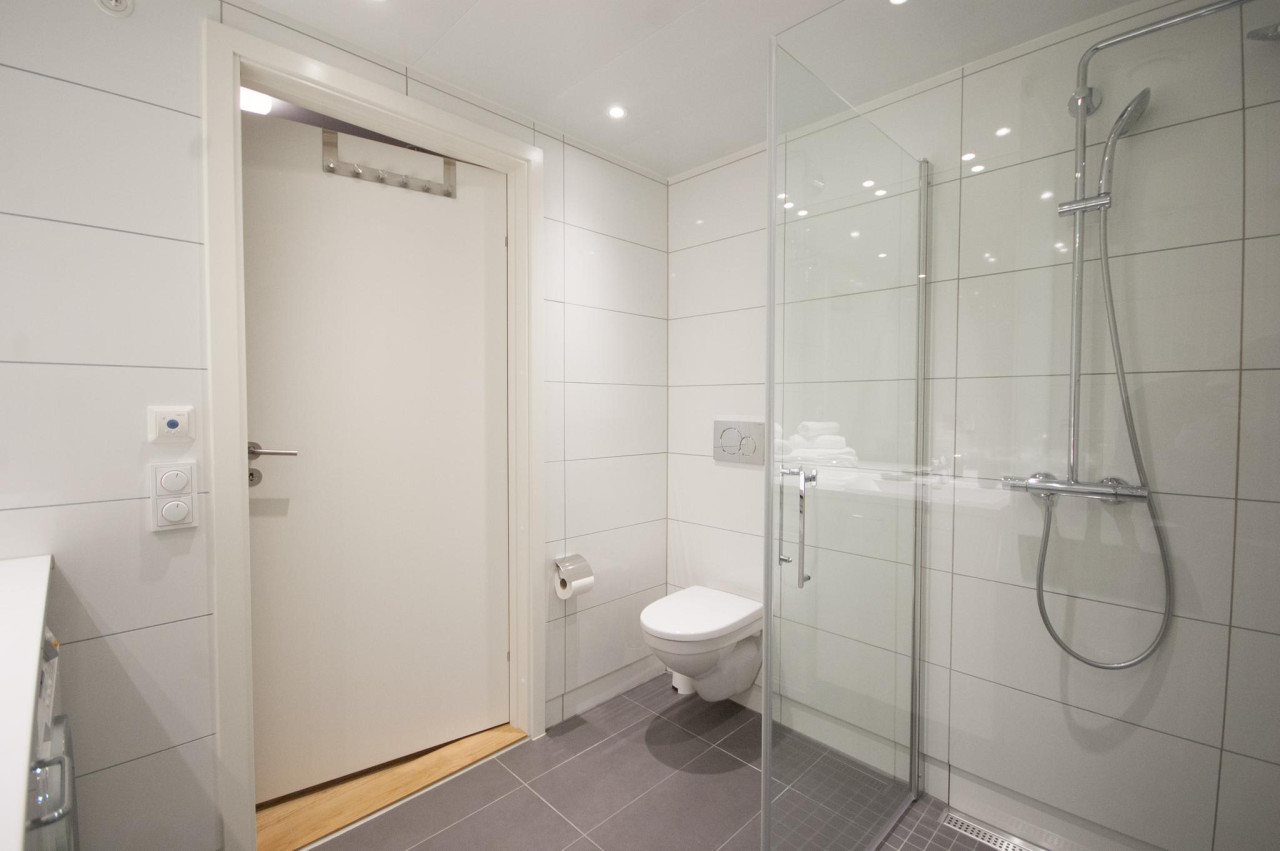
Sørenga Two Bedroom for 4
Oslo - Norway 4+1 guests
-
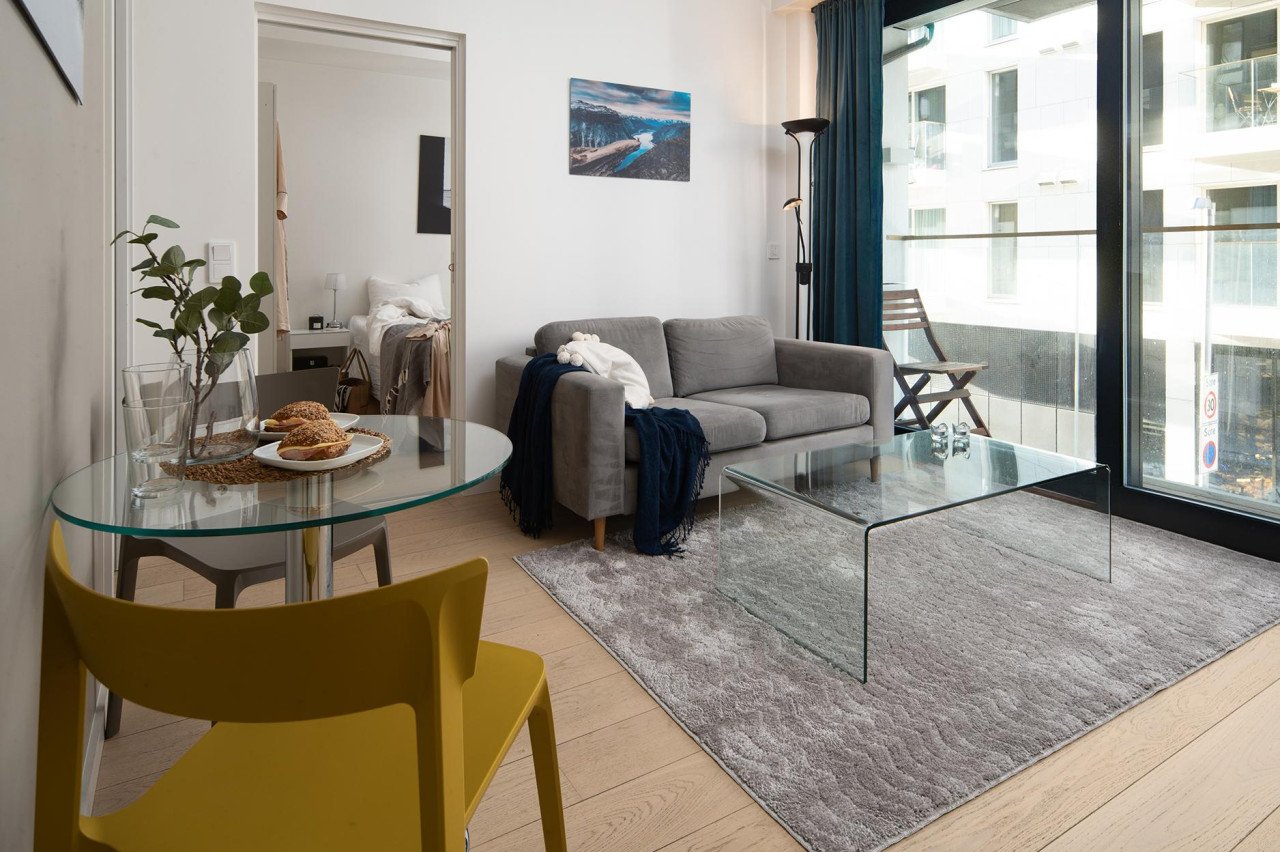
Opera Area One Bedroom
Oslo - Norway 2+1 guests
-
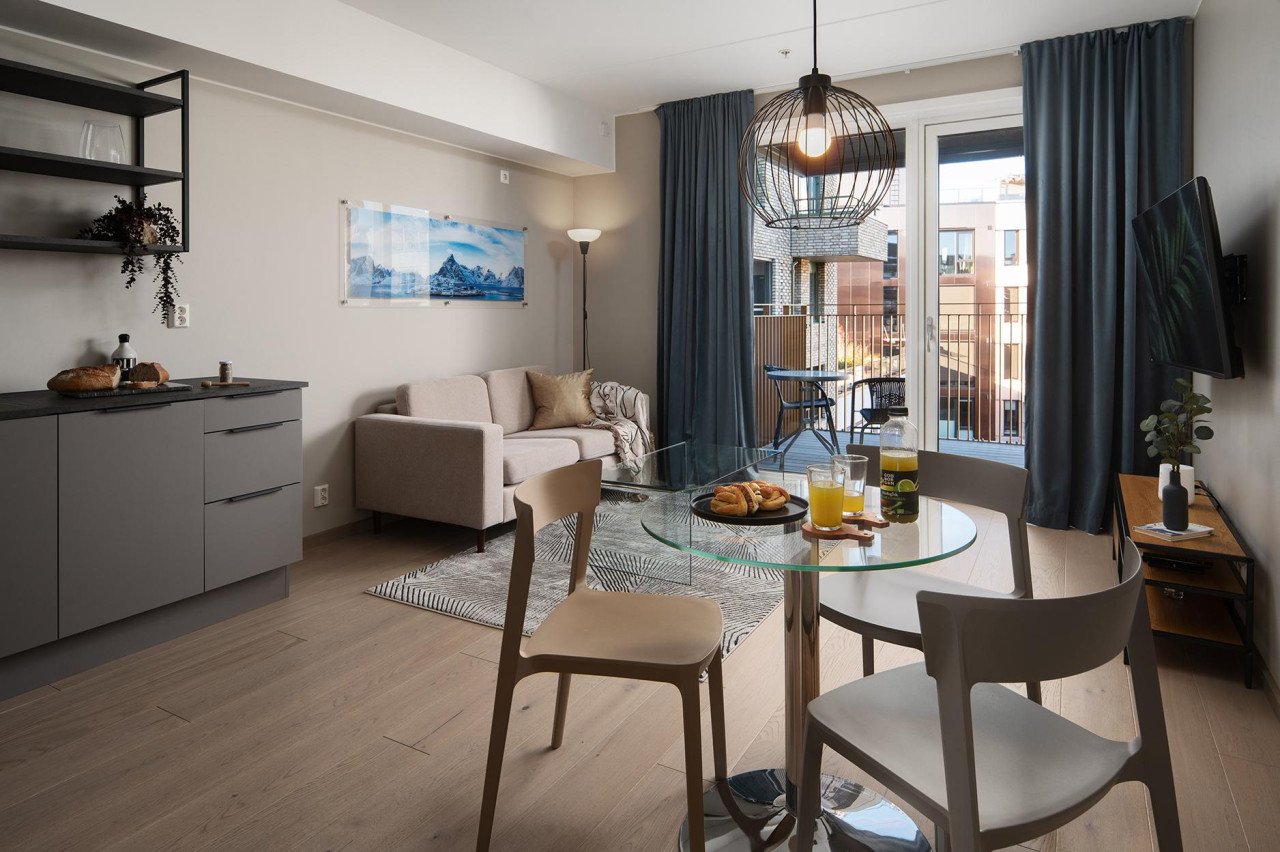
Opera Area One Bedroom Superior
Oslo - Norway 2+1 guests
-
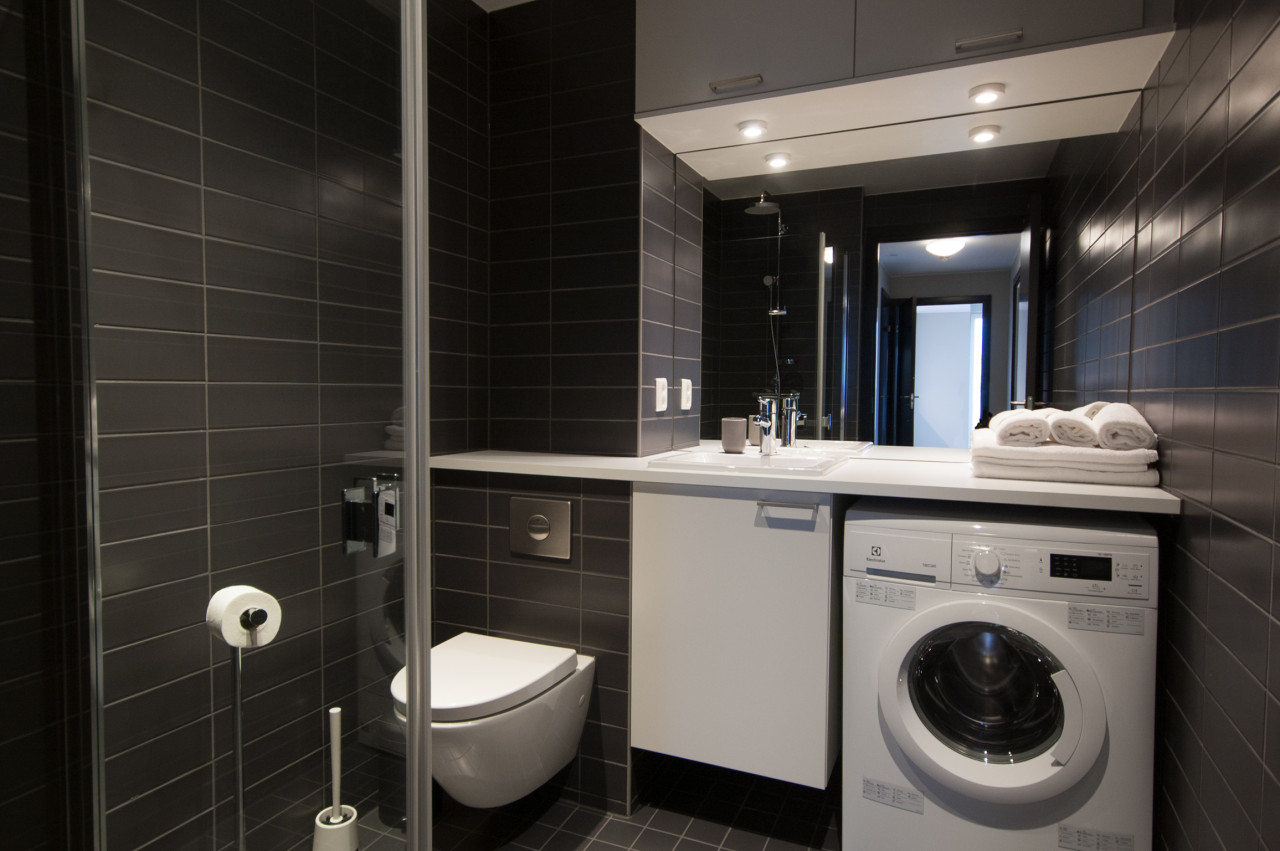
Opera Area Two Bedroom for 3
Oslo - Norway 3+1 guests
-
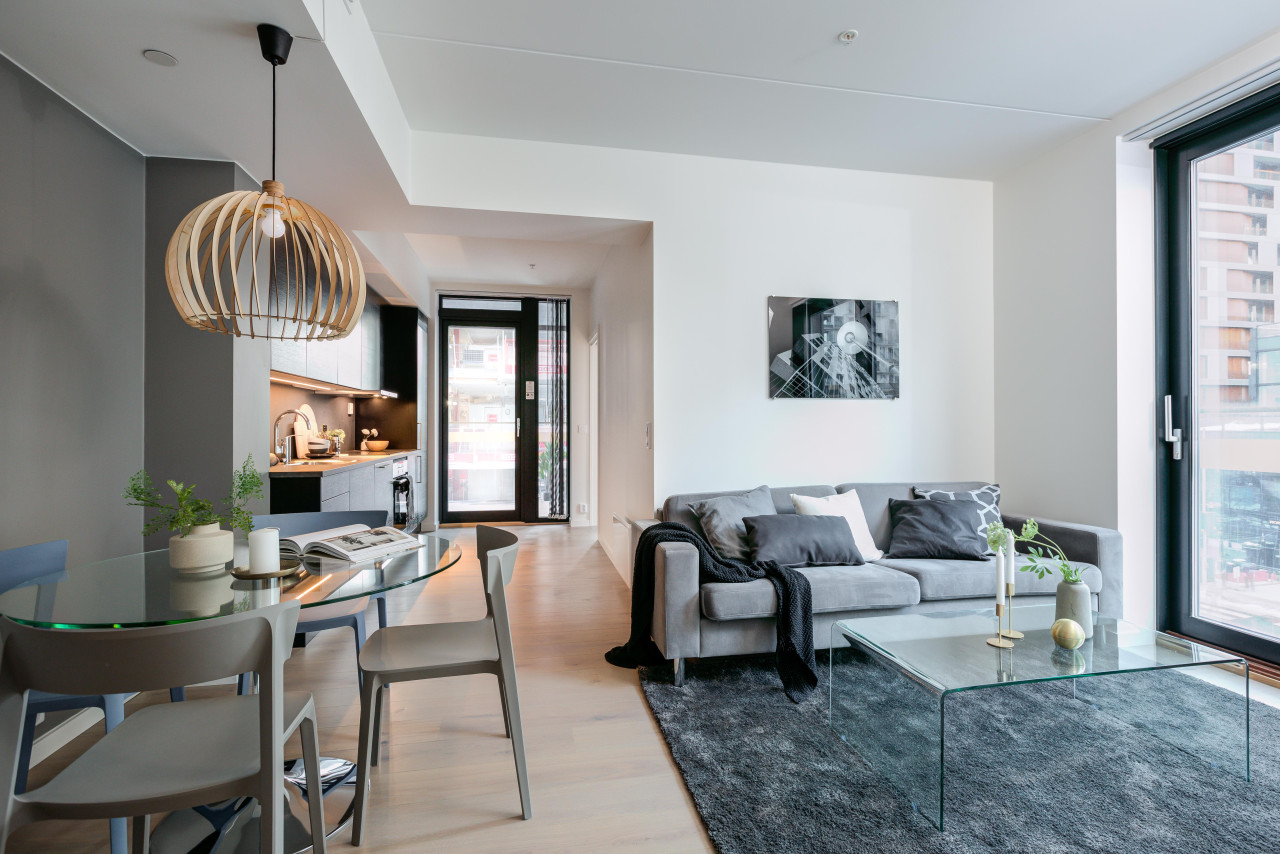
Opera Area Three Bedroom for 4
Oslo - Norway 4+1 guests
-
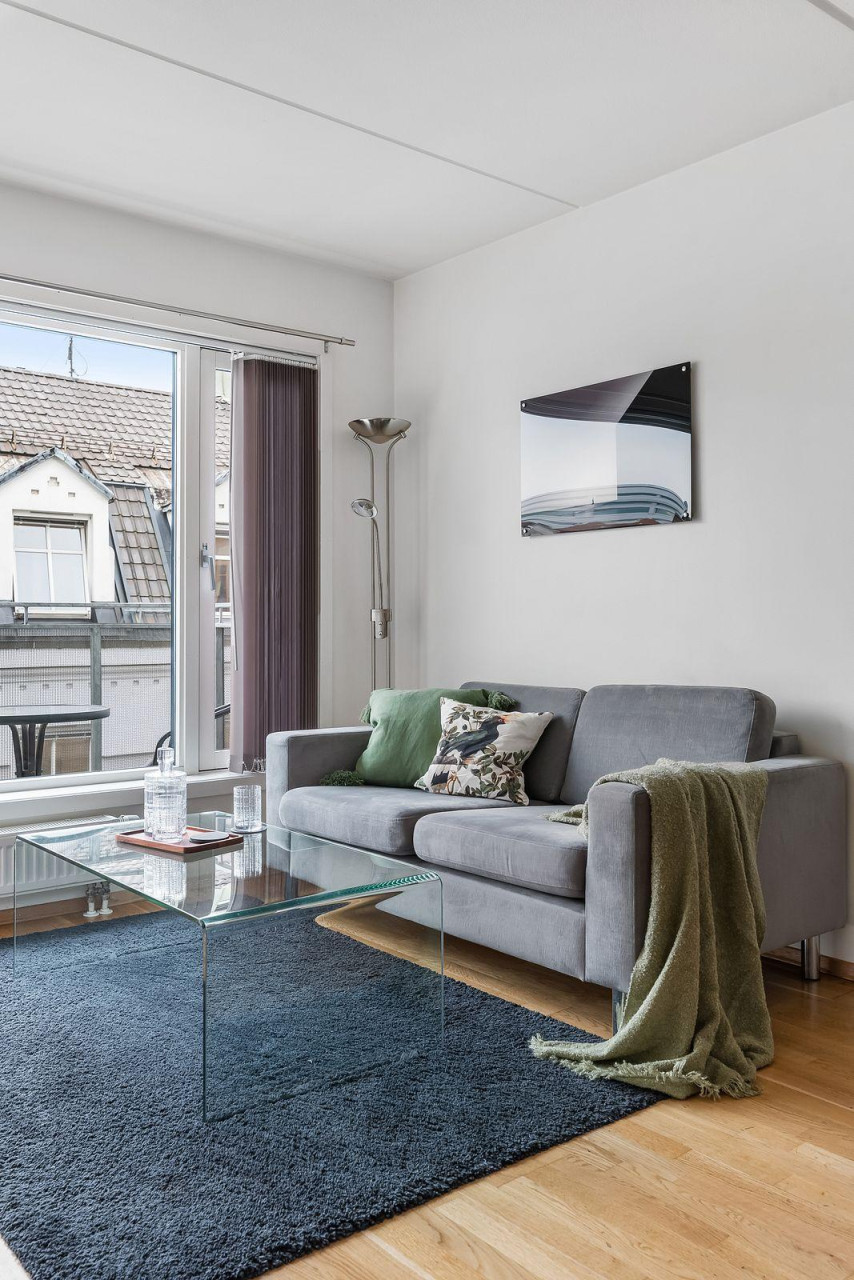
Teaterkvartalet One Bedroom
Oslo - Norway 2+1 guests
-
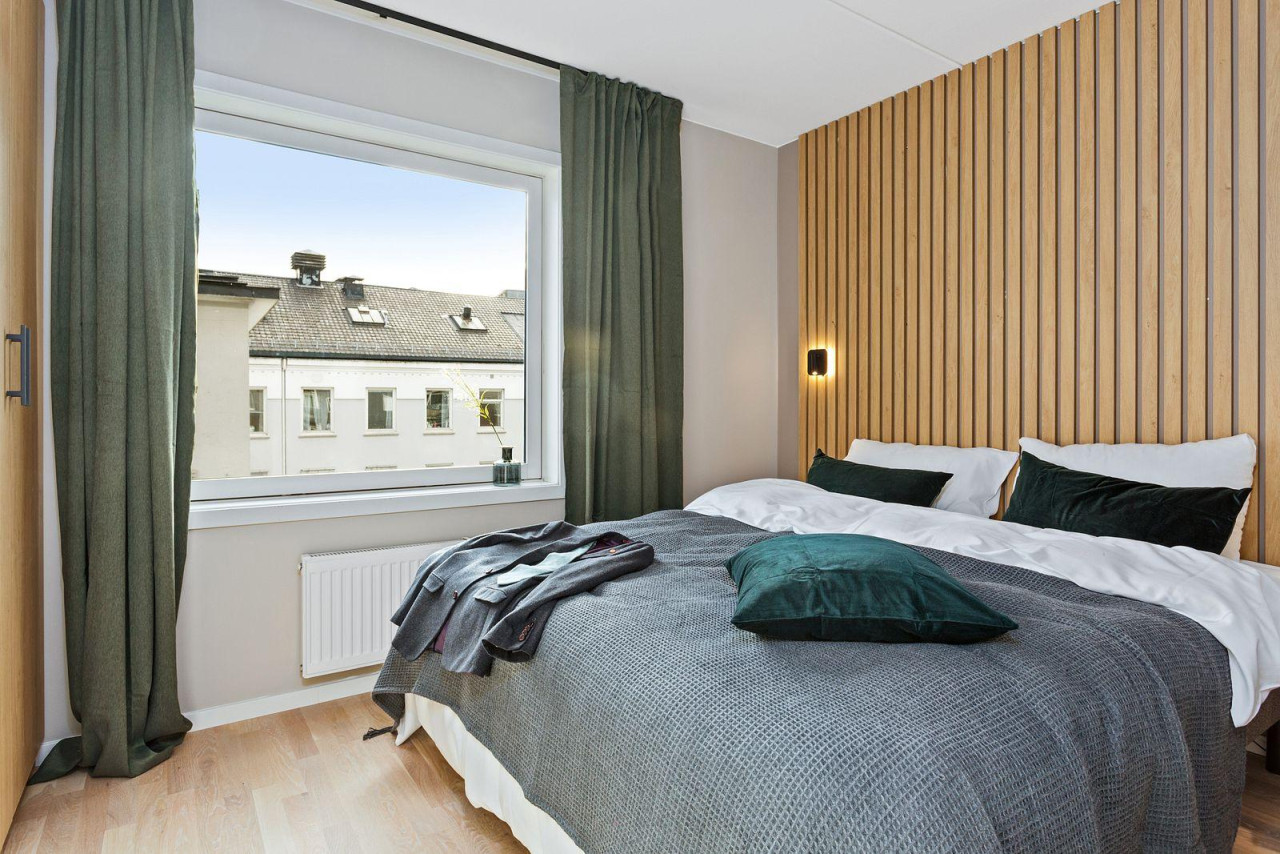
Teaterkvartalet One Bedroom Superior
Oslo - Norway 2+1 guests
-
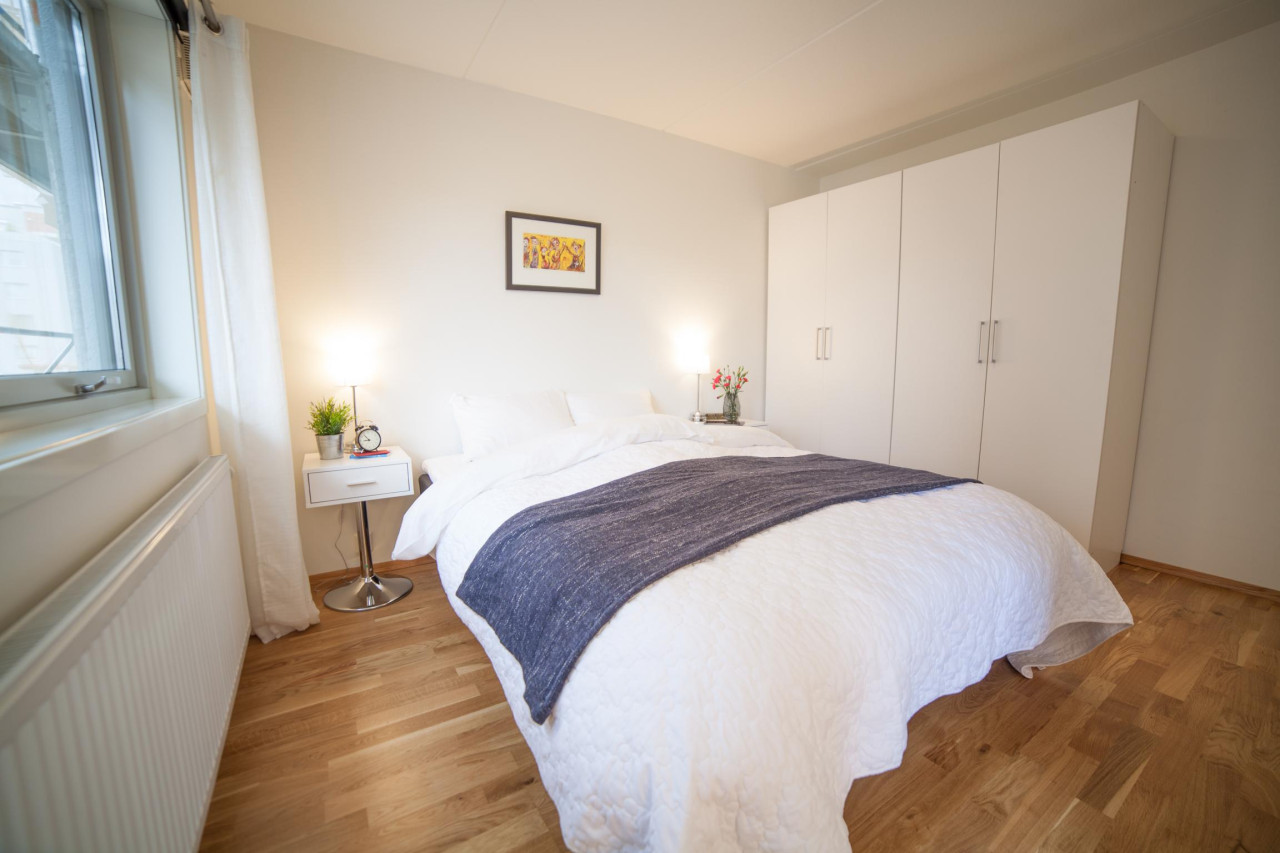
Teaterkvartalet Two Bedroom for 3
Oslo - Norway 3+1 guests
-
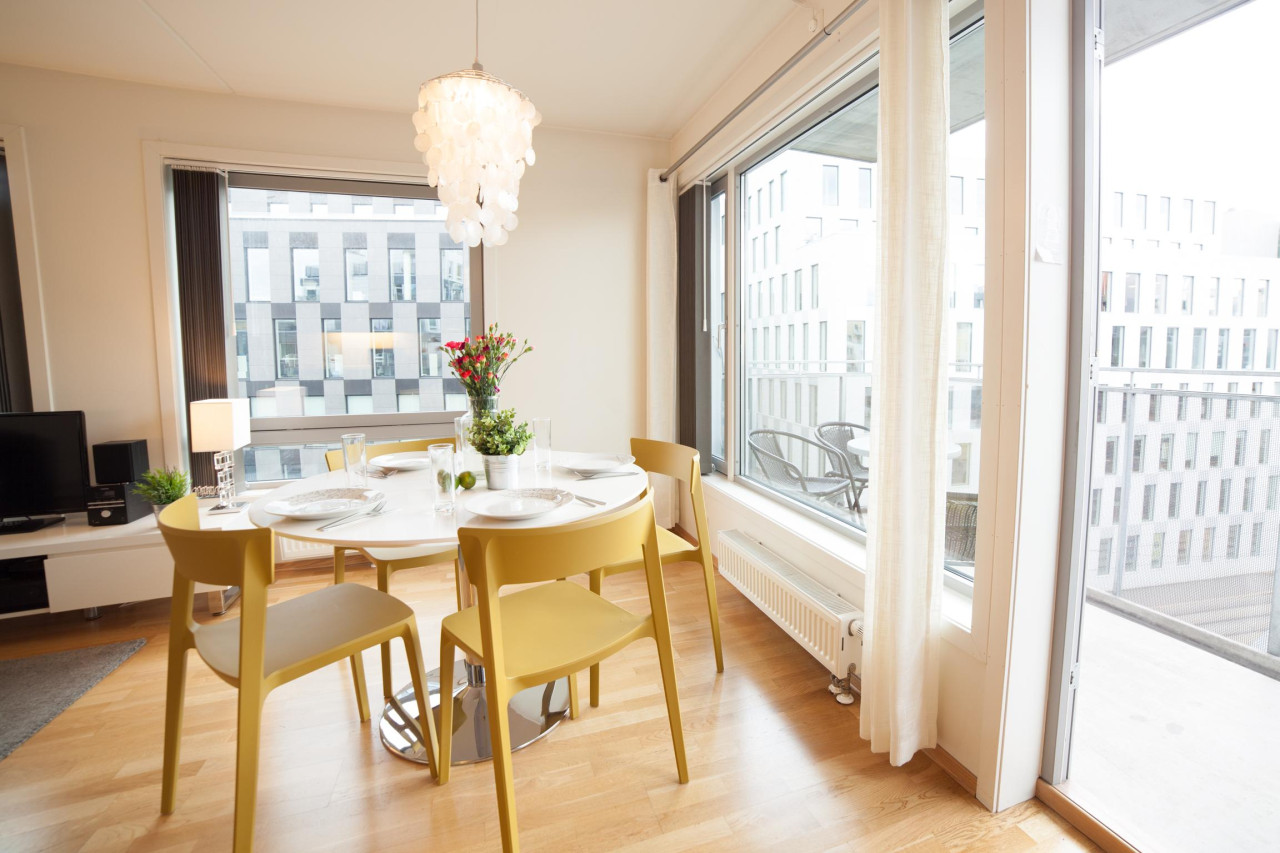
Teaterkvartalet Two Bedroom for 4
Oslo - Norway 4+1 guests
-
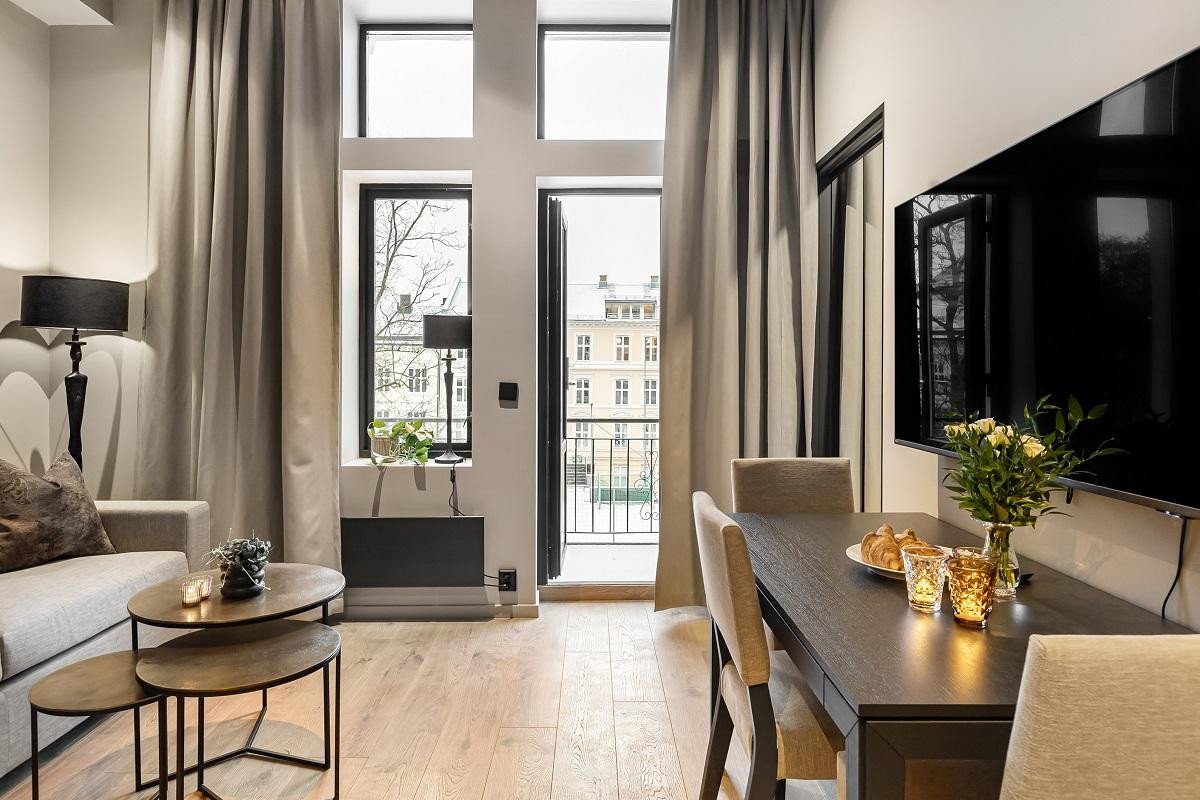
Parkveien One Bedroom

Oslo - Norway 2 guests
-

The Sweet Studio Singel
Oslo - Norway 1 guest
-
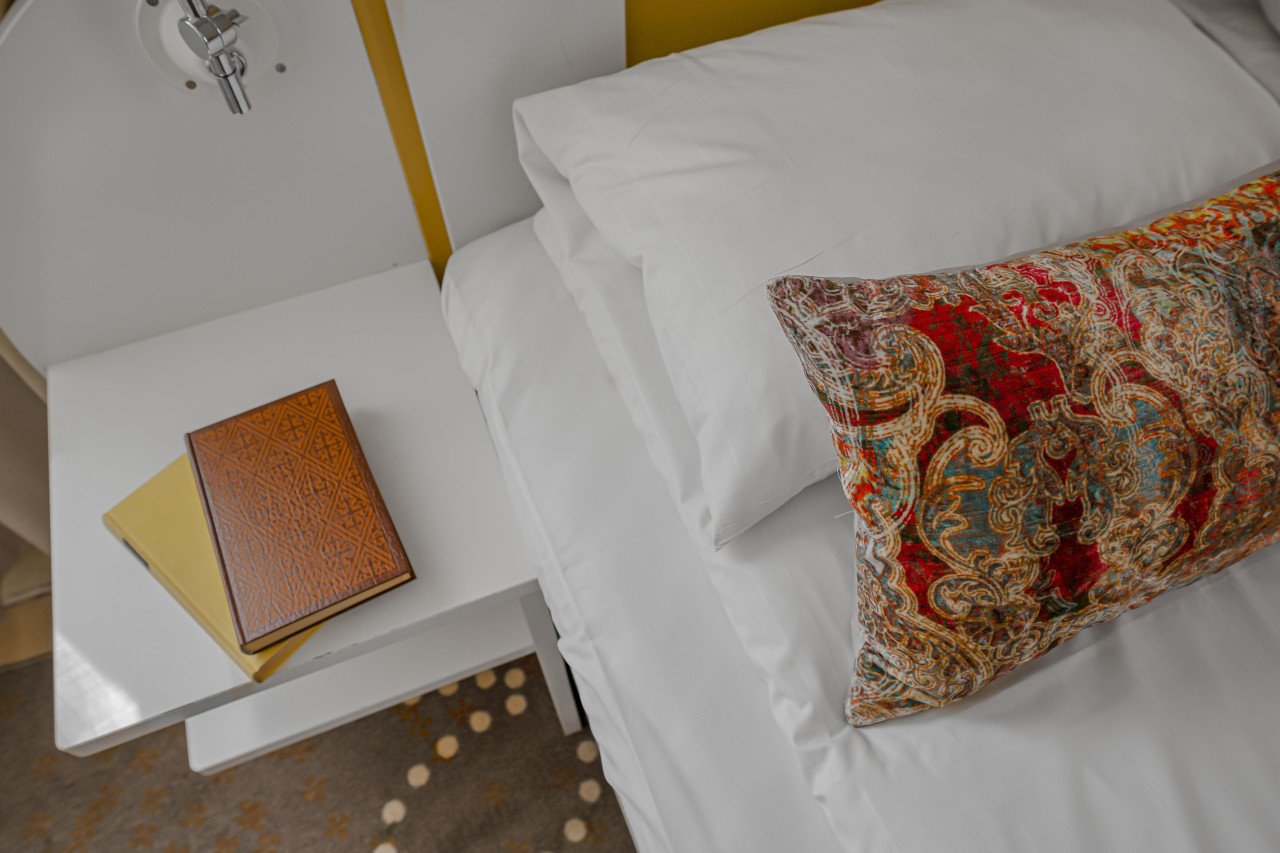
The Sweet Studio
Oslo - Norway 2 guests
-
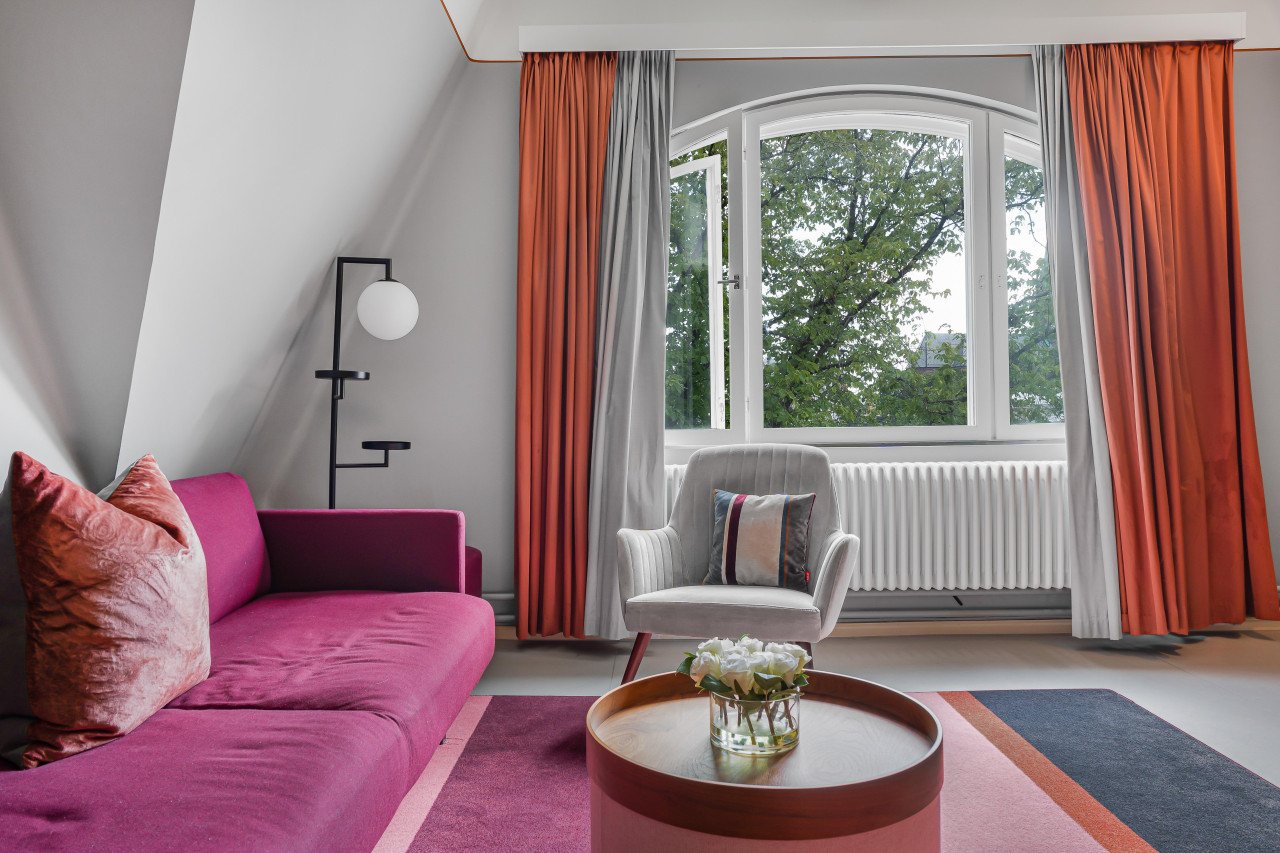
The Sweet Studio with Sofabed
Oslo - Norway 3+1 guests
-
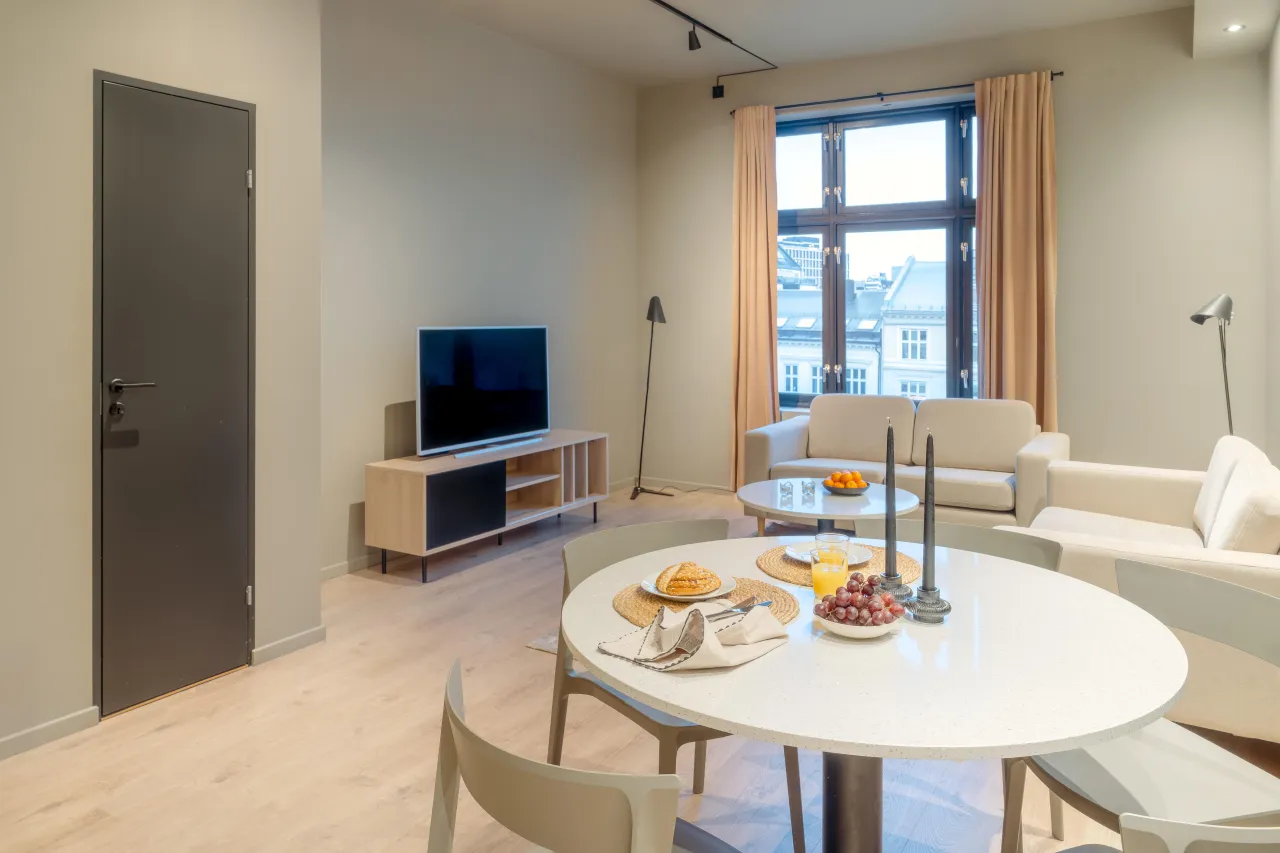
Parkveien Three Bedroom
Oslo - Norway 6 guests
 Vander is a scandinavian hotel apartment chain where you feel more at home than away. Stay for months, weeks or just one night, in a modern apartment.


Copyright © 2026 Vander