
Vander Apartments → Oslo Travel Guide → Free Things to Do in Oslo
Free Things to Do in Oslo
Oslo has a reputation for being expensive, but it’s easy to enjoy the city on a budget. This guide covers the best free things to do in Oslo — from scenic viewpoints and waterfront walks to parks, neighbourhoods and cultural attractions.
Use it to plan a full day in Oslo at minimal cost, or combine it with our complete Oslo travel guide.
Updated for 2026. Reviewed regularly to reflect seasonal changes, transport updates, access rules, and major openings or closures.
Top free things to do in Oslo (quick picks)
- Best free fjord view: Oslo Opera House rooftop (walk up)
- Best historic viewpoint: Akershus Fortress (harbour views)
- Best iconic park walk: Vigeland Sculpture Park
- Best waterfront walk: Aker Brygge → Tjuvholmen
- Best nature-in-the-city walk: Akerselva river trail
- Best skyline viewpoint: Ekebergparken (view + sculpture park)
- Best central park view: St. Hanshaugen viewpoint
- Best summer promenade: Sørenga promenade + sea bath area
- Best neighbourhood stroll: Grünerløkka (street life + cafés)
- Best value add-on: island hopping (one ferry ticket, big payoff)
Plan the rest: explore things to do in Oslo, where to stay, or Oslo by Season.

Content
Use the links below to jump straight to what you're looking for.
Best free things to do in Oslo (quick picks)
Free views and viewpoints in Oslo
Free parks and outdoor attractions
Free museums and cultural spots
Free outdoor things to do in Oslo in summer
Best free things to do in Oslo: quick picks
If you only have one day
Keep it simple: start at the Oslo Opera House rooftop, walk the Bjørvika waterfront, then continue the harbour route toward Akershus Fortress.
If you want the most iconic free stop
The Oslo Opera House rooftop is the easiest big-payoff view in the city. Go early for calm or late afternoon for softer light.
If you want history with harbour views
Walk up to Akershus Fortress for free viewpoints over the harbour, Aker Brygge, and the waterfront — especially good near sunset.
Go to: Best areas to stay in Oslo →
If you want a classic park experience
Visit Vigeland Sculpture Park for Oslo’s most famous free attraction. It’s easy to fit into almost any itinerary.
If you want the “Oslo vibe” walk
Do the Aker Brygge → Tjuvholmen waterfront loop for fjord views, modern architecture, and a great evening atmosphere.
If you want nature without leaving the city
Follow the Akerselva river walk for waterfalls, bridges, and green pockets that feel surprisingly local.
If you want the best viewpoints
For skyline views, head to Ekebergparken. For a central quick view, choose St. Hanshaugen.
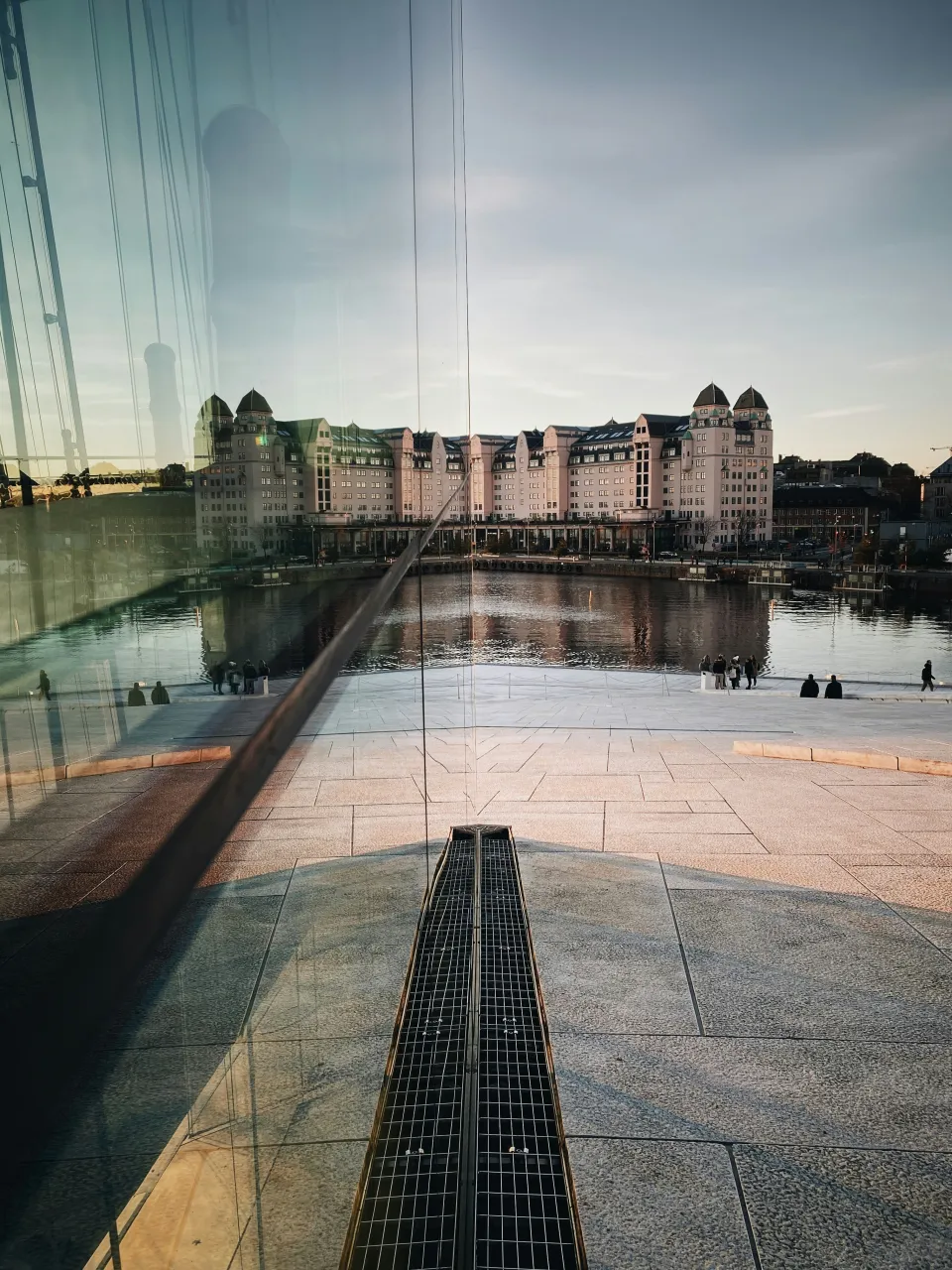
Free views and viewpoints in Oslo
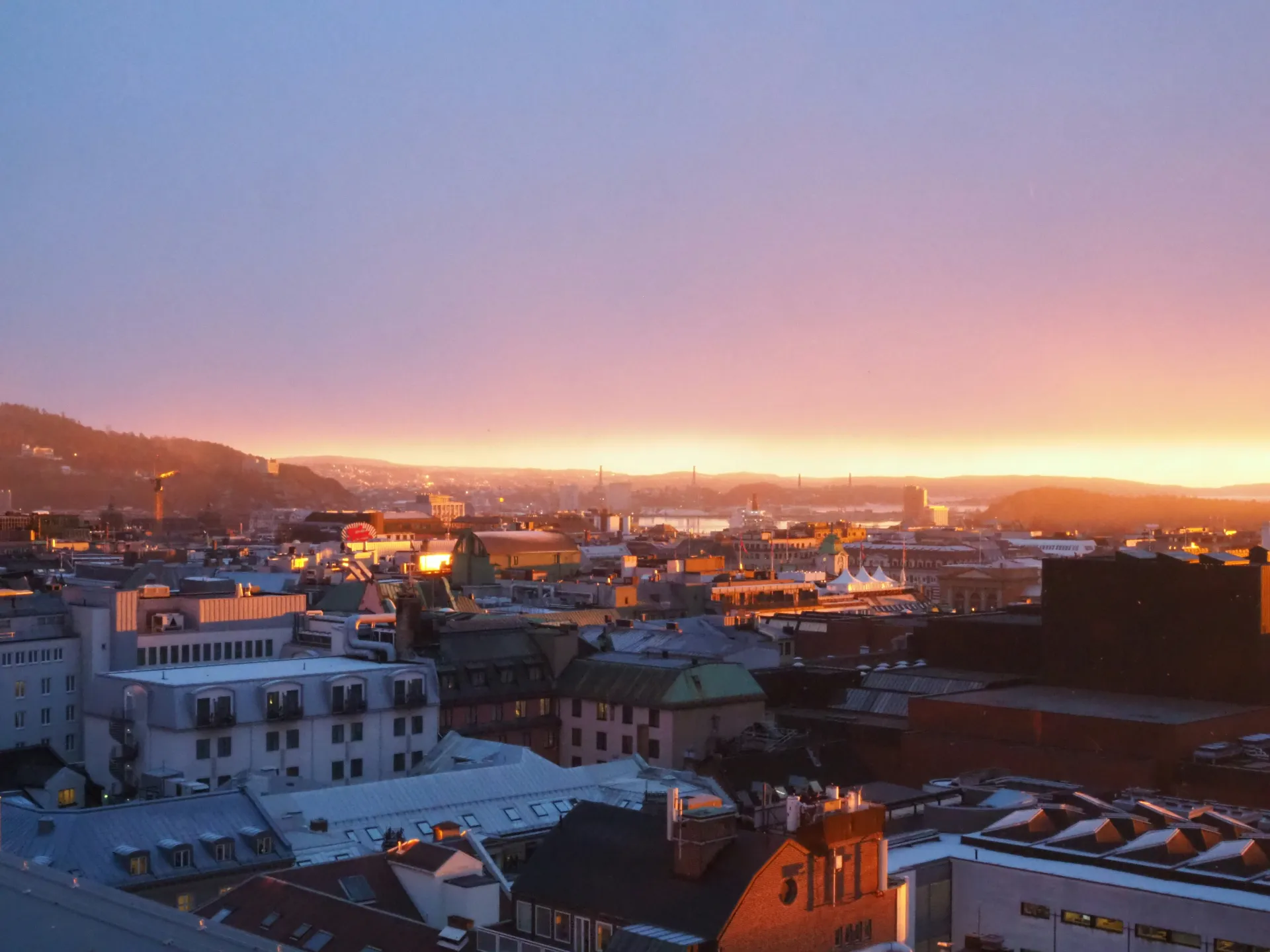
Oslo offers some of the best free city views in Scandinavia — from iconic rooftops in the city centre to short walks and hills with panoramic fjord views.
Below you’ll find the best free viewpoints in Oslo, chosen for scenery, ease of access, and first-time visitor value.
Oslo Opera House Rooftop (Best Free View in Oslo)
The Oslo Opera House rooftop is the city’s most iconic free viewpoint. You can walk straight up the sloped roof for panoramic views over the Oslofjord, Bjørvika, and the modern waterfront.
Why it’s worth it:
- Zero effort, zero cost
- Best “first stop” viewpoint in Oslo
- Excellent for sunrise or golden hour photos
Local tip: Visit early morning or later in the evening to avoid crowds.
Ekebergparken Viewpoint (Best Skyline View)
If you want the best skyline view of Oslo, head to Ekebergparken. You’ll get wide panoramic views over the city, fjord, islands, and harbour — especially beautiful at sunset.
Why it’s worth it:
- Oslo’s best skyline viewpoint
- Combines nature and sculpture park
- Great atmosphere year-round
Best time: late afternoon for sunset light over the fjord.
St. Hanshaugen Viewpoint (Best Central View)
St. Hanshaugen is the best free viewpoint inside central Oslo — no transport needed if you’re staying near the city centre. It gives you an elevated view over rooftops and central neighbourhoods.
Why it’s worth it:
- Most central viewpoint
- Great for a “quick Oslo view”
- Easy to combine with Grünerløkka or nearby cafés
Best weather: clear days for maximum visibility and the best city views.
Akershus Fortress Viewpoints (Best Historic View)
For a free viewpoint with history, head to Akershus Fortress. The area has several vantage points overlooking the harbour, Aker Brygge, and Oslo’s waterfront — all in an impressive historic setting.
Why it’s worth it:
- Free harbour views with medieval fortress atmosphere
- Easy stop along the main waterfront walk
- Excellent photo locations
Best combo: visit right after the Opera House rooftop.
Grefsenkollen Viewpoint (Best Panoramic City View)
Grefsenkollen is one of the most panoramic viewpoints in Oslo. It feels like you’re looking at the entire city from above — fjord, skyline, islands, and forest in one wide frame.
Why it’s worth it:
- One of the widest views over Oslo
- Classic “Oslo viewpoint” experience
- Great for travellers who want a big “wow view”
Good for: travellers who want a classic panoramic “top of Oslo” photo.
Vettakollen Viewpoint (Best Short Hike View)
If you want a short hike with a big payoff, Vettakollen is the best option. It’s one of Oslo’s top short viewpoint hikes, and the view from the top feels unreal on clear days.
Why it’s worth it:
- Best short-hike viewpoint in Oslo
- Perfect for travellers who want nature without a long hike
- Great payoff for minimal effort
What it feels like: hiking, without the time commitment.
Want to plan your Oslo days around viewpoints and walkable areas?
These guides help you build simple, walk-friendly days:
Best free walks in Oslo: neighbourhood vibe and scenic routes
Why walking works so well in Oslo
Oslo is one of Europe’s most walkable capitals. Many of the city’s best experiences cost nothing and are best discovered on foot — waterfront views, iconic landmarks, lively neighbourhoods, and green corridors inside the city.
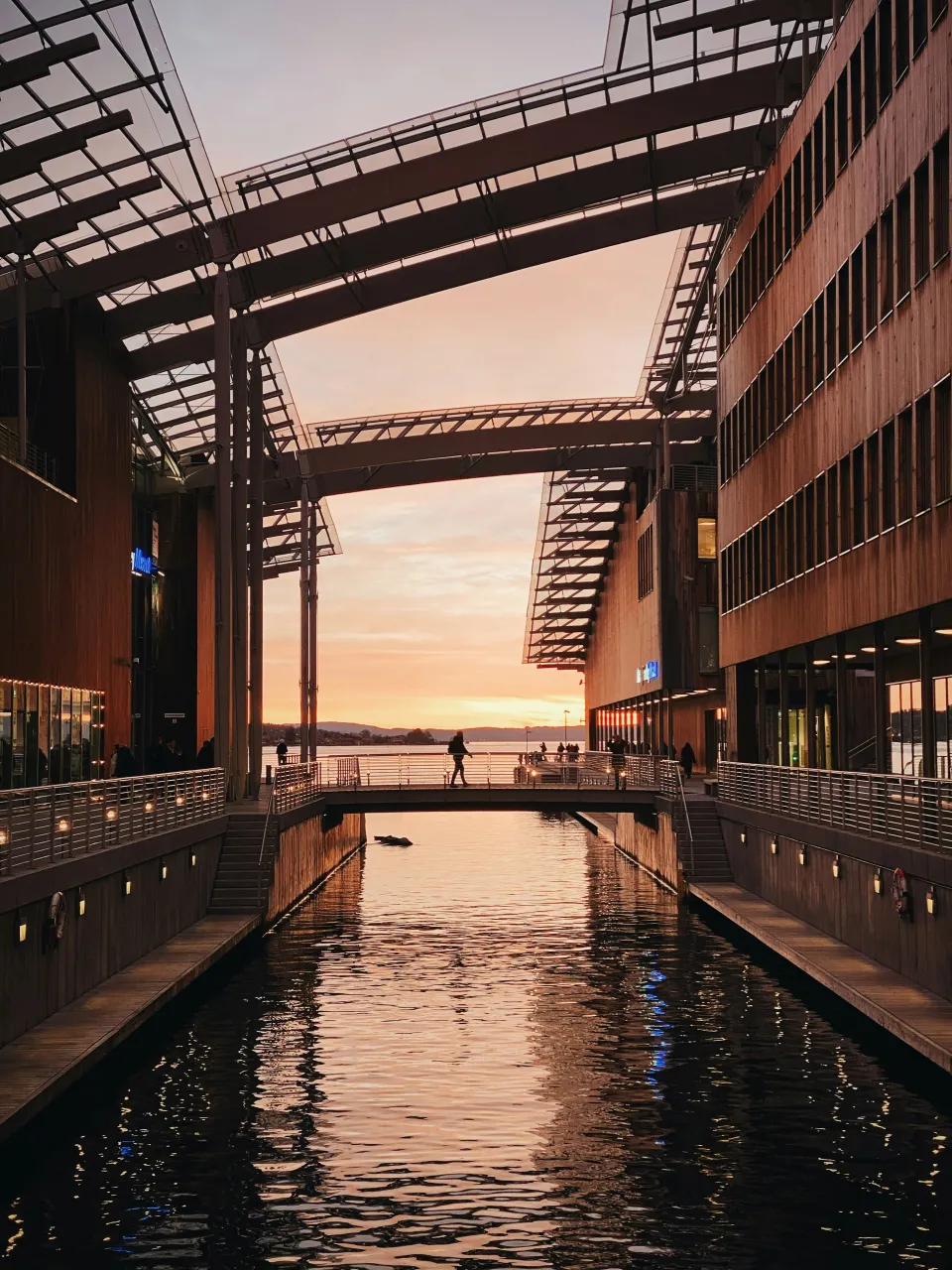
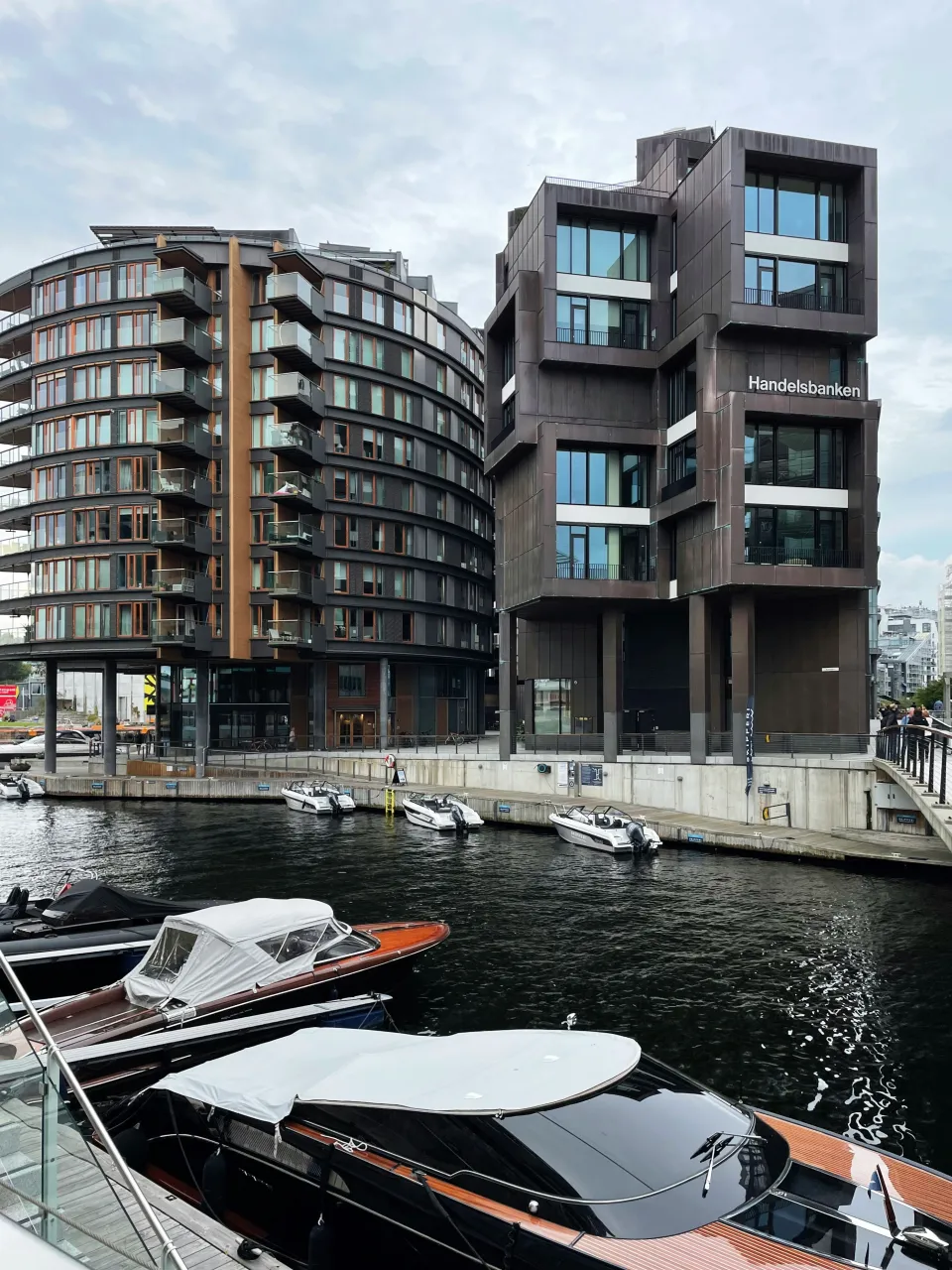
Aker Brygge → Tjuvholmen Promenade (Easy evening route)
If you want a short, effortless walk with maximum atmosphere, this is it. It’s scenic, relaxed, and beautiful — especially in the evening when the light hits the fjord and the promenade comes alive.
Why it’s worth it:
- Best short waterfront walk in Oslo
- Perfect at sunset / golden hour
- Strong “Oslo city break” vibe
Best for: evening stroll, relaxed date walk, and a scenic fjord-side experience with lively city atmosphere.
Waterfront walk through Oslo: Bjørvika → Akershus → Aker Brygge
This is the top free walk in Oslo if you want a full city overview in one route: modern waterfront architecture, historic fortress views, and Oslo’s most famous harbour promenade.
Why it’s worth it:
- Best “first time in Oslo” walking route
- Fjord views for most of the walk
- Combines modern and historic Oslo
What you’ll see: Opera House / Bjørvika → Barcode skyline → Akershus Fortress → Oslo Harbour Promenade → Aker Brygge
Karl Johans Gate → Royal Palace Park Walk (Classic Oslo walk)
This is the classic central Oslo walk — and it’s genuinely worth it if it’s your first time in the city. It’s easy, iconic, and gives you the “Oslo in one stretch” experience.
Why it’s worth it:
- Most central route in Oslo
- Great first-day walk
- Ends in calm green space at the palace
Best ending: a slow loop through Palace Park (Slottsparken) with trees, lawns, paths, and calm surroundings.
Grünerløkka Streets + Coffee Loop
(Best local vibe route)
If you want the true “local Oslo feel”, Grünerløkka is the best neighbourhood to walk. Expect cafés, vintage shops, relaxed street life, creative corners, and plenty of photogenic streets.
Why it’s worth it:
- Best neighbourhood walk in Oslo
- Café culture + street vibe
- Perfect for a slow afternoon
Best for: solo travellers, couples, photographers.
Akerselva River Walk
(Best nature walk in the city)
The Akerselva River Walk is one of Oslo’s best free experiences. You follow the river past waterfalls, bridges, forest-like paths, and historic industrial areas — it feels like several different Oslos in one walk.
Why it’s worth it:
- Oslo’s best nature walk inside the city
- Waterfalls + greenery + local neighbourhoods
- Feels like a real outdoor experience (without leaving Oslo)
Local tip: combine it with Grünerløkka after the walk.
Free Parks and Outdoor Attractions in Oslo
Oslo is one of Europe’s best cities for outdoor experiences — because nature is built into the capital. You get world-class sculpture parks, forest-like trails, viewpoints, and calm green spaces right in the city, and most of it is completely free. If you want to experience the “Oslo lifestyle”, these parks are a big part of it.
Vigeland Sculpture Park (Frogner Park) (Most iconic free park in Oslo)
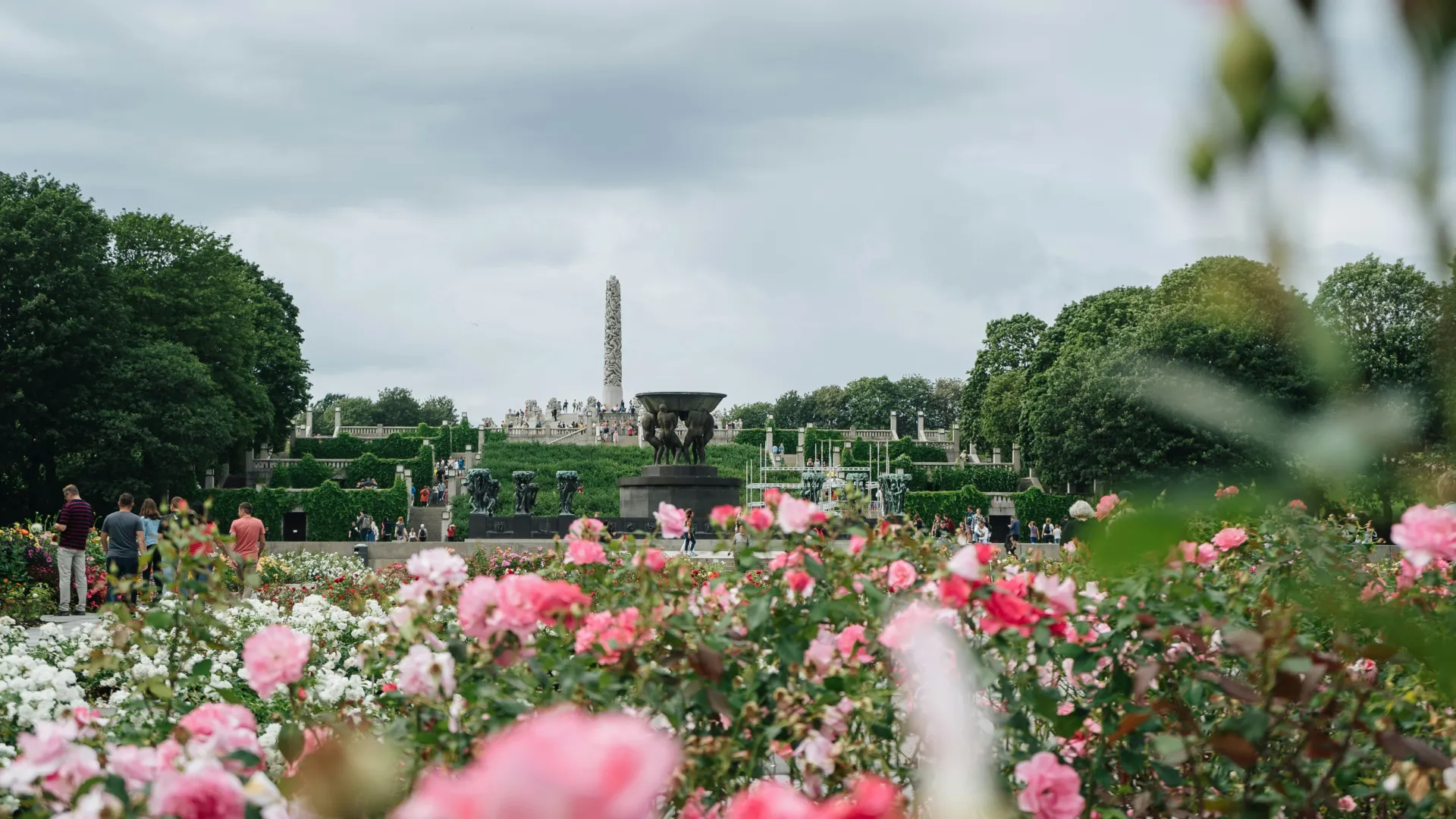
Vigeland Sculpture Park is Oslo’s most famous free attraction — and easily one of the best free things to do in Norway. It’s the world’s largest sculpture park created by a single artist, and the park itself is massive, beautiful, and perfect for a long walk.
Why it’s worth it:
-
Oslo’s #1 free outdoor attraction
-
Unique sculptures + large park setting
-
Great for photography and a slow afternoon
Local tip: Visit later in the day to avoid the biggest tour crowds
Ekebergparken (Sculpture Park + Trails + View) (Best mix of nature + skyline view)
Ekebergparken combines everything Oslo does best: forest trails, contemporary outdoor art, and one of the city’s best viewpoints over the Oslofjord. It feels like a proper nature escape — without leaving town.
Why it’s worth it:
-
Sculpture park + walking trails in one spot
-
One of Oslo’s best free viewpoints
-
Amazing at sunset
Best for: people who want “outdoors + city view” in the same experience.
St. Hanshaugen Park (Park + Viewpoint) (Best central park view)
St. Hanshaugen is the best “easy viewpoint park” in central Oslo. It’s a classic local hangout: green lawns, relaxed atmosphere, and a viewpoint that gives you a clear city panorama with almost zero effort.
Why it’s worth it:
-
Best park viewpoint in central Oslo
-
Easy to reach and walkable from the centre
-
Great for picnics and calm downtime
Palace Park (Slottsparken) (Best central stroll)
Palace Park is one of the most peaceful walks in central Oslo. It surrounds the Royal Palace and gives you a clean, classic city park vibe — wide paths, trees, and a calm break from busier areas like Karl Johans gate.
Why it’s worth it:
-
Perfect short walk in the city centre
-
Great “reset” spot between sightseeing
-
Works year-round
Best for: first-timers who want an easy central nature break.
Botanical Garden (Tøyen) (Best free “soft day” attraction)
If you want a slower, quieter Oslo experience, the Botanical Garden is perfect. It’s free, peaceful, and surprisingly large — great for a relaxed walk, a calm morning, or a low-energy afternoon.
Why it’s worth it:
-
Free and calm outdoor attraction
-
Great for a “soft day” itinerary
-
Excellent in spring/summer, still worth it in autumn
Best for: couples, solo travellers, anyone who wants a quiet break.
Free museums and cultural spots in Oslo (free entry days + public spaces)
Oslo has a strong cultural scene, and you don’t need to spend money to experience it. Below are the best free cultural spots, free art experiences, and the smartest ways to visit top museums for free.
Quick picks (if you only do 1–2):
- Deichman Bjørvika = the best free indoor cultural experience in Oslo
- Gallery hopping in Sentrum = the best free art walk
- Free museum entry days = the smartest way to visit paid museums for free
Deichman Bjørvika (best free indoor cultural spot in Oslo)
If the weather is bad, this is your #1 free option. Deichman Bjørvika is Oslo’s iconic waterfront library — and it feels more like a design museum than a traditional library.
Why it’s worth it:
- Beautiful architecture and interiors (great for photos)
- Warm, cosy, and ideal in winter
- Great views over Bjørvika and the fjord area
Local tip: Visit in the late afternoon and stay into the evening — the interior lighting is impressive and it’s a perfect free break between walks.
Free art galleries in Sentrum (gallery hopping in Oslo)
Oslo has many small galleries with free entry, especially in central areas. This is one of the easiest ways to get a “museum vibe” without buying tickets.
What you get:
- Free exhibitions (often rotating)
- Contemporary art and photography
- A cultural walk while exploring downtown Oslo
How to do it:
Walk a short loop through Sentrum and pop into galleries as you pass them. No need to over-plan — 2–3 galleries is plenty.
MUNCH + National Museum (how to experience them for free)
Even without a ticket, you can still get value from Oslo’s biggest museums — because the buildings and surrounding areas are an experience in themselves.
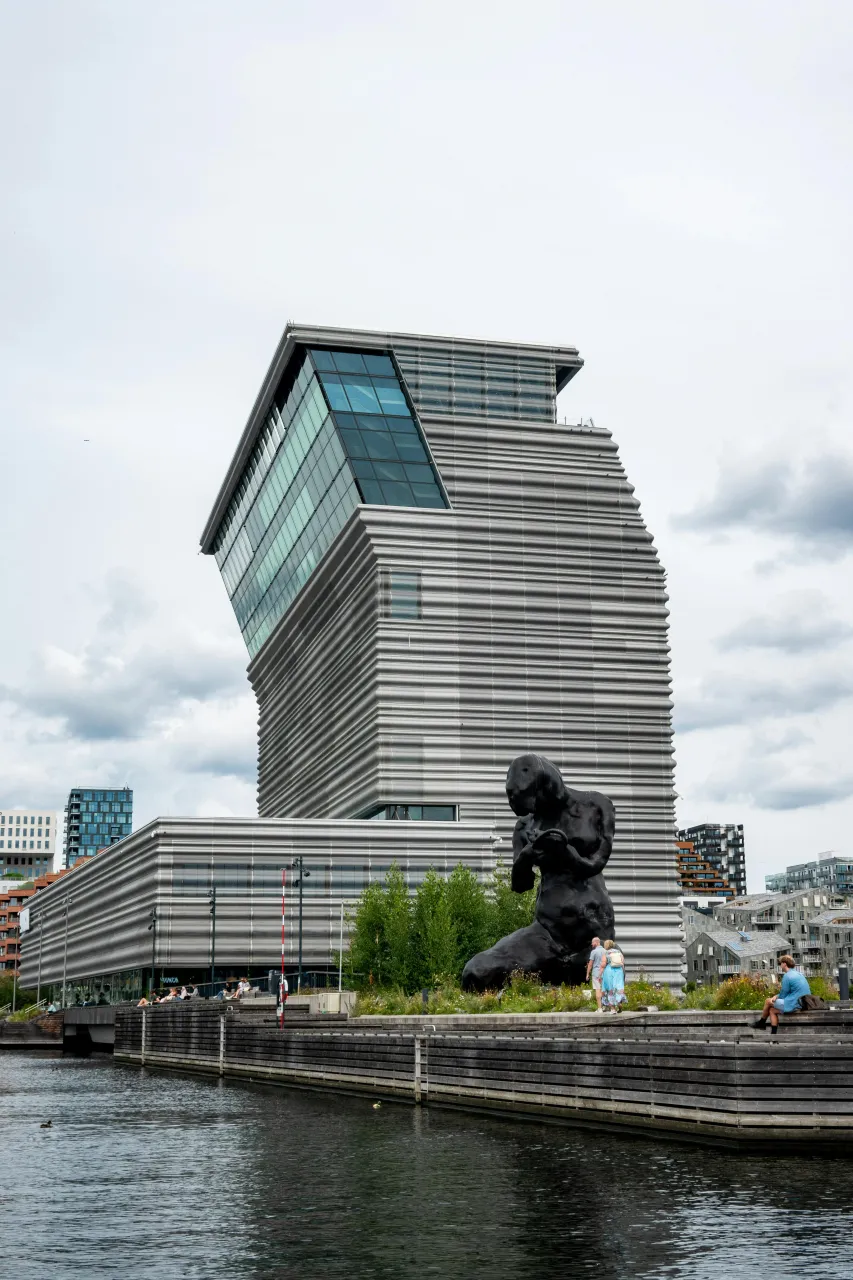
MUNCH Museum (Bjørvika):
- The architecture alone is worth seeing
- Strong modern waterfront vibe
- Public areas around the building are free to access
The National Museum (Sentrum / Aker Brygge side):
- Major cultural landmark
- Great area for a walk and architecture photos
- Easy to combine with Karl Johans Gate and Palace Park
Free museum entry days in Oslo (how to check before you go)
Some museums offer free entry days or free time windows — but they change over time. This is one of the smartest Oslo budget hacks if you check it properly.
Best practice (evergreen):
- Always check the museum’s official website
- Look for “free entry”, “tickets”, or “opening hours”
- Don’t rely on outdated blog posts
Pro tip: In peak season, go early — free entry times fill up fast.
Want more top attractions beyond the free ones? → /oslo-travel-guide/things-to-do
Best areas to stay for walkable culture and city vibes → /oslo-travel-guide/areas

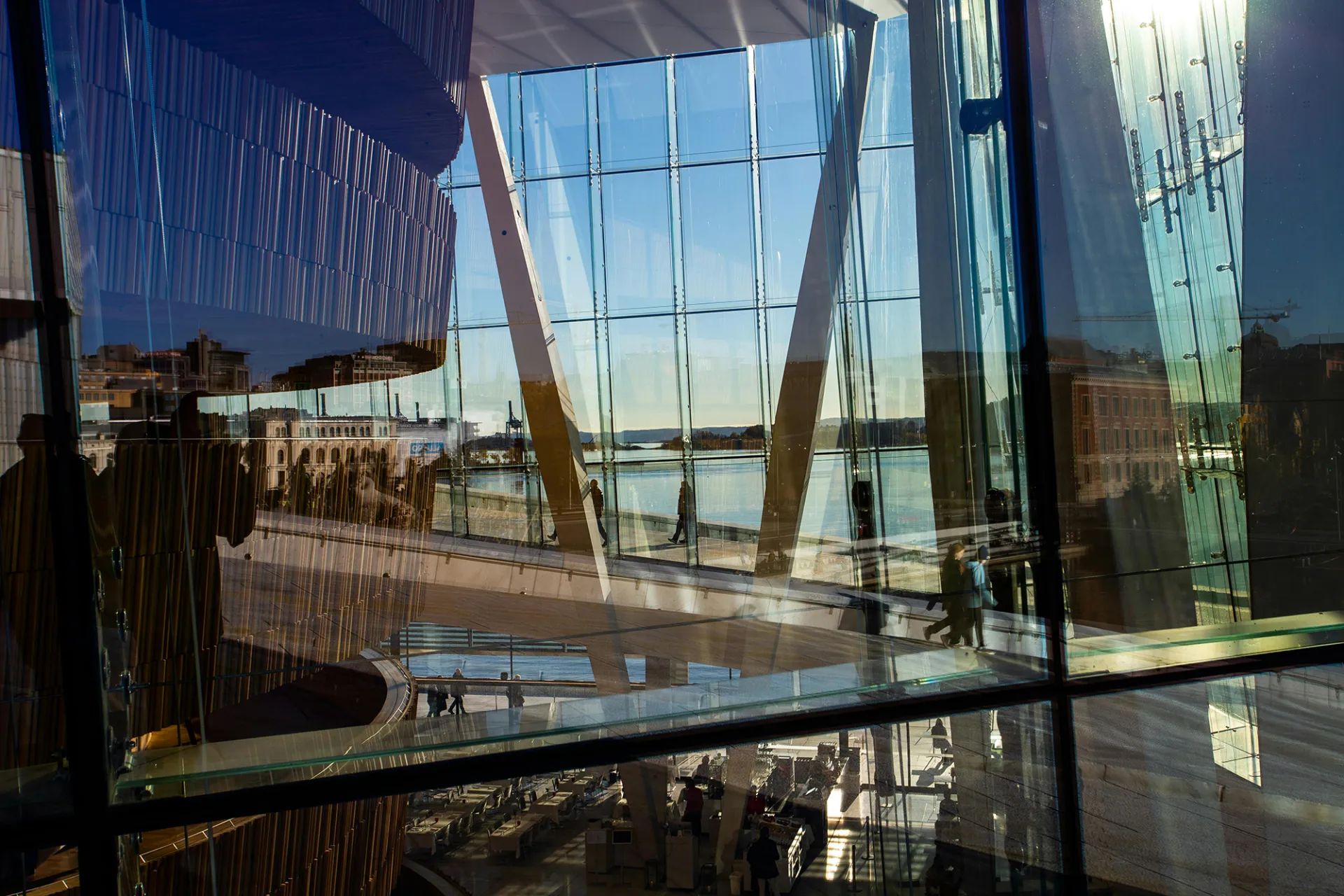
Free outdoor things to do in Oslo in summer
Summer in Oslo is all about the fjord, long golden evenings, and easy outdoor experiences — and the best part is that many of them are completely free. Below are the top free summer activities in Oslo if you want maximum payoff without spending money.
Oslofjord island hopping (cheap ferry, huge value)
The islands in the Oslofjord are one of the best budget experiences in the city. The islands themselves are free — you only pay for the ferry (included in public transport), which makes this an incredible summer activity with very high value.
Best way to do it:
- Bring snacks or a simple picnic
- Swim if you feel like it
- Treat it like a mini day trip without leaving Oslo
Tickets and transport tips →
Getting around Oslo
Sørenga sea bath promenade (best free summer waterfront vibe)
If you want the classic “Oslo summer” feeling, go to Sørenga. It’s a modern waterfront promenade where locals hang out, sunbathe, and swim in the fjord — right in the city.
Why it’s worth it:
- Free swimming area in the city
- One of the best spots for summer atmosphere
- Perfect for an easy evening walk and sunset light
Planning a short trip? →
Weekend in Oslo
Sunset routes by the fjord (best free Oslo summer evenings)
Oslo’s summer sunsets are next-level, especially along the waterfront. A simple fjord walk in the evening can easily become one of the best free experiences in the city.
Best summer sunset vibe:
- Walk from Bjørvika towards Aker Brygge
- Or do a shorter loop Aker Brygge → Tjuvholmen
- Go when the light turns golden
Full summer guide →
Oslo in summer
Picnic parks in Oslo (Frogner, Ekeberg, St. Hanshaugen)
Oslo’s parks are made for slow summer days. Pick up food from a bakery or grocery store and turn it into a relaxed half-day experience with zero extra cost.
Best parks for summer picnics:
- Frogner Park / Vigeland Park (most iconic)
- Ekebergparken (best mix of nature and views)
- St. Hanshaugen (best central viewpoint picnic)
More ideas →
Things to do in Oslo
Free outdoor things to do in Oslo in winter
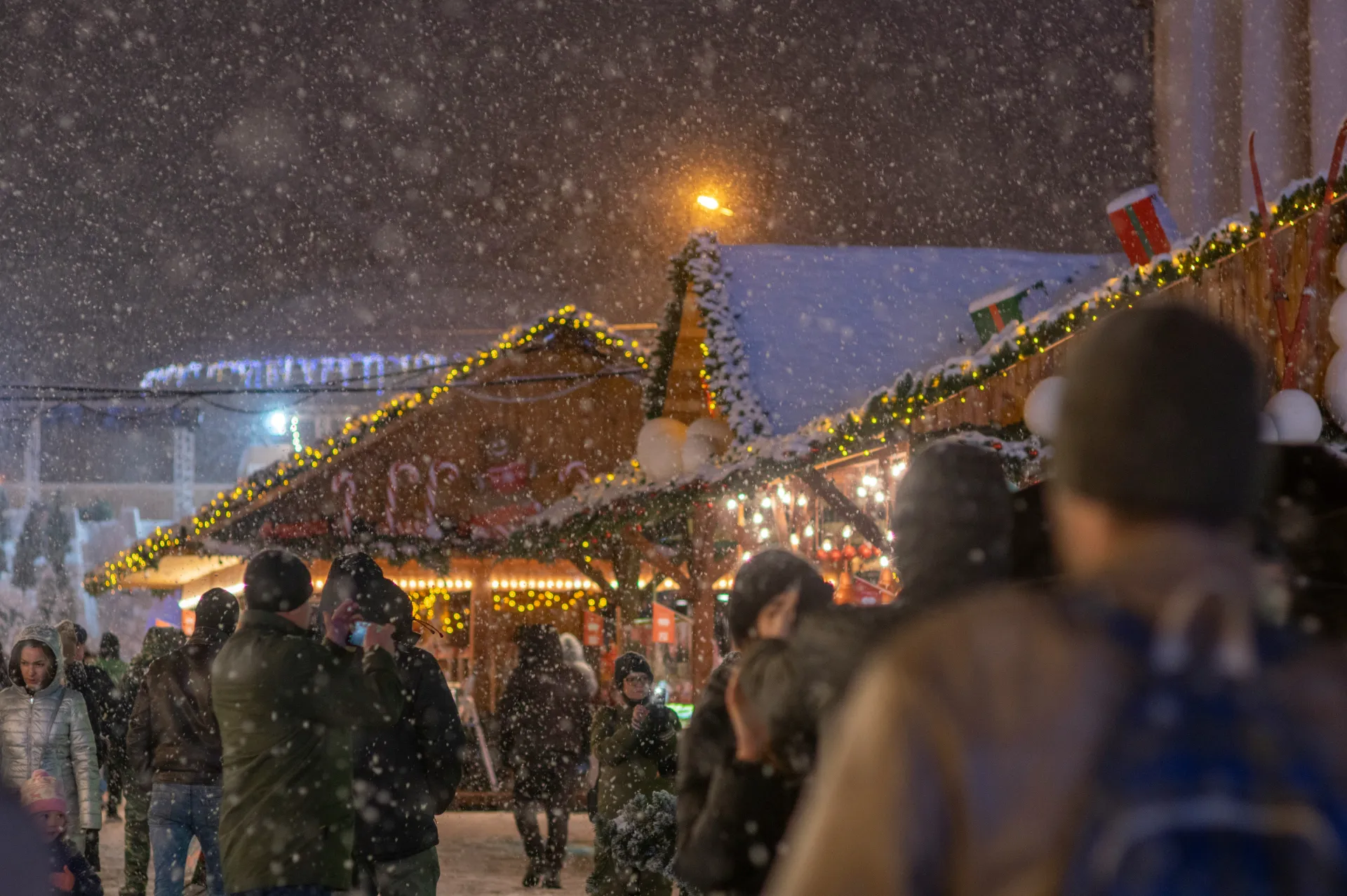
Winter in Oslo is all about high-reward experiences with minimal effort: crisp waterfront walks, postcard viewpoints on clear days, and cozy city vibes with lights and public spaces. Below are the best free winter activities in Oslo if you want the most value without spending money.
Winter waterfront walks in Oslo (short, scenic, and easy)
In winter, you want routes that are short but visually strong — and Oslo’s fjordfront is perfect for that. Even a 30–60 minute walk can feel like a full “Oslo experience”.
Best winter waterfront vibe:
-
Bjørvika (Opera House area) → Akershus Fortress
-
Aker Brygge → Tjuvholmen promenade (best evening atmosphere)
Tip: Go around blue hour (just before dark) for the best winter light.


Viewpoints on clear winter days (Oslo looks like a postcard)
A clear winter day in Oslo is unreal — cold air + sharp visibility = the city looks insanely crisp from above. This is the easiest way to get “Oslo postcard views” without paying.
Best free winter viewpoints:
-
Oslo Opera House rooftop (most accessible)
-
St. Hanshaugen viewpoint (central + easy)
-
Ekebergparken viewpoint (best skyline vibe)
Tip: If it’s icy, wear shoes with good grip — winter viewpoints can get slippery.
Free winter city experiences (lights, markets, and public spaces)
Even when it’s cold, Oslo is still great — because winter is as much about atmosphere as activities. The best winter vibe often comes from simple things: lights, streets, public spaces, and short culture stops.
What to look for:
-
City light displays and winter-lit streets
-
Seasonal pop-ups and markets (varies by year)
-
Public indoor spaces that feel like “free attractions”
Local move: Combine a short outdoor walk with a warm indoor stop to keep energy high.
How to plan a “free winter day” in Oslo (walk → view → warm café → walk)
If you do Oslo right in winter, your day becomes a simple loop of short walks and high reward stops. It keeps you warm, motivated, and still makes the day feel full.
Example free winter day structure:
-
Start: Opera House rooftop + Bjørvika walk
-
Mid: Akershus Fortress harbour area
-
Warm break: Deichman Bjørvika or a cozy café
-
Finish: Aker Brygge → Tjuvholmen evening promenade
This is the easiest way to make winter Oslo feel premium without spending much.
Full winter guide → Oslo in winter
Oslo on a budget (how to save money in Oslo)
Oslo is expensive — but you can still have an amazing trip without spending big every day. The key is simple: walk more, plan transport smart, use high-value food spots, and build your days around free highlights. Below you’ll find practical money-saving tips in Oslo plus easy budget day ideas.
Money-saving tips in Oslo (transport + food + passes)
Walk first, public transport second
Oslo is one of the most walkable capitals in Europe. If you stay central, most highlights are within walking distance — and walking is honestly the best way to experience the city.
Budget rule:
If it’s under 25–35 minutes on foot, walking is usually the best option.
Extra win: You’ll naturally pass waterfront routes, parks, and viewpoints without paying for anything.

When a 24h pass makes sense (Ruter)
A 24-hour pass can be a great deal — but only if you use it properly.
A 24h pass makes sense if:
-
You’ll do 3+ metro/tram rides in one day
-
You’re combining city + viewpoints (Ekeberg, hikes, etc.)
-
You’re doing island hopping by ferry (transport included in the public system)
Skip the pass if:
-
You’re mostly walking in the centre
-
You’re only doing 1–2 rides total
Tip: One “transport-heavy day” + one “walk-heavy day” is usually the cheapest setup.
Food halls + bakeries (best value strategy)
Food is where most people overspend in Oslo. The easiest solution is to eat smart — not boring.
Best budget strategy:
-
Use food halls for variety + value (especially with friends)
-
Use bakeries for breakfast/lunch (massive value in Norway)
-
Save restaurants for 1 main meal per day, not 3
Example:
Bakery breakfast → food hall lunch → one proper dinner
Apartment stay = the biggest budget hack (kitchen saves money)
If you want Oslo to feel premium without spending premium — this is the move.
Why it’s worth it:
-
Breakfast at home saves a lot fast
-
Coffee and snacks become cheap instead of expensive
-
You can spend money on experiences instead of constant food costs
Simple rule:
If you stay 3+ nights, a kitchen usually pays for itself.
Want the easiest way to save money in Oslo?
Book an apartment stay (kitchen included)

Budget-friendly day plans in Oslo (free itineraries)
If you want the cheapest trip with the highest experience value, use pre-built itineraries. These give you full “Oslo days” with minimal spending and maximum highlights.
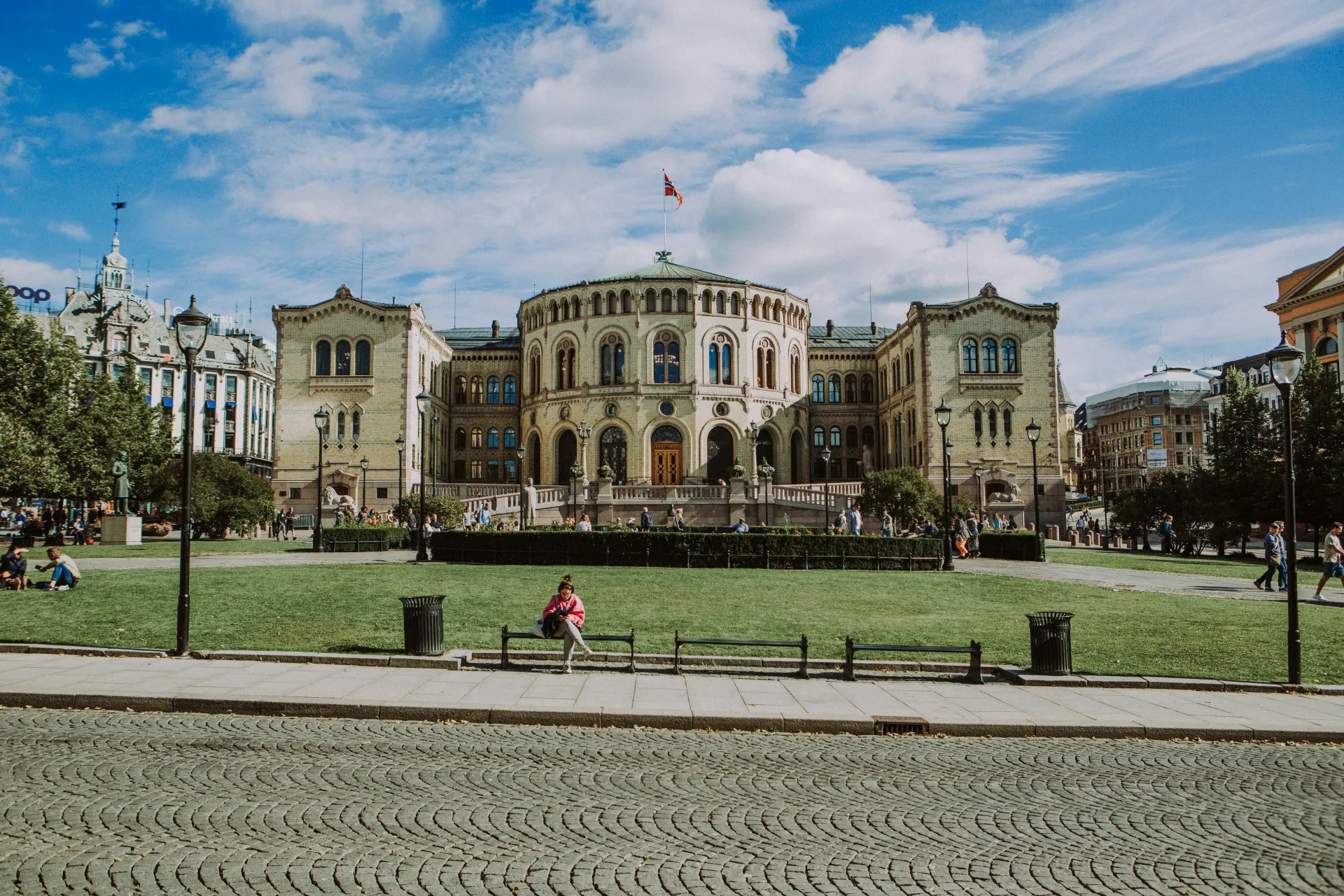
Free Oslo day plan (first timers)
Best for: seeing the most iconic Oslo highlights for free.
|
Morning: |
Midday: |
|
Afternoon: |
Evening: |
Free Oslo day plan (parks + local vibe)
Best for: a calmer, more local Oslo day.
|
Morning: |
Midday: |
|
Afternoon: |
Evening: |
Free Oslo day plan (summer version)
Best for: fjord + islands + peak summer atmosphere.
|
Morning: |
Afternoon: |
|
Evening: |
Optional add-on: |
Free Oslo day plan (winter version)
Best for: winter atmosphere, views, short scenic walks, and warm indoor breaks (without spending much).
|
Morning: |
Midday: |
|
Afternoon: |
Evening: |
Oslo FAQs
Is Oslo expensive?
Yes — Oslo is one of the more expensive cities in Europe, especially for food, drinks, and accommodation.
But you can still do Oslo on a budget by focusing on free walks, parks, viewpoints, and free cultural spots (plus smart transport planning).
What are the best free things to do in Oslo?
The best free experiences in Oslo are the Oslo Opera House rooftop, the Akerselva River Walk, Vigeland Sculpture Park, and waterfront walks along the fjord.
If you only do 2–3 things, start with these — they cover the “classic Oslo feeling” without spending money.
Is the Oslo Opera House rooftop free?
Yes — the Oslo Opera House rooftop is completely free and open to the public.
You can walk up the roof for panoramic views over the fjord and Bjørvika — best early morning or at sunset to avoid crowds.
What can you do in Oslo for free in winter?
In winter, the best free things to do in Oslo are short waterfront walks, clear-day viewpoints, and warm indoor stops like Deichman Bjørvika library.
A great free winter setup is: walk → viewpoint → warm café break → walk.
Are the Oslofjord islands free?
The islands are free to explore — you only pay for the ferry transport (Ruter ticket).
It’s still one of the best-value experiences in Oslo, especially in summer: picnic spots, swimming, and fjord scenery.
Do you need a car in Oslo?
No — you don’t need a car in Oslo.
If you stay centrally, the city is extremely walkable and public transport (Ruter) covers everything you’ll realistically need.
Ready to book your stay in Oslo?
If you want a simple, flexible base with space to reset between days, a serviced apartment is one of the easiest ways to experience Oslo comfortably.
Looking for more Oslo travel tips?
Go back to the full pillar guide here:
Explore the Oslo sub-guides
 Vander is a scandinavian hotel apartment chain where you feel more at home than away. Stay for months, weeks or just one night, in a modern apartment.


Copyright © 2026 Vander