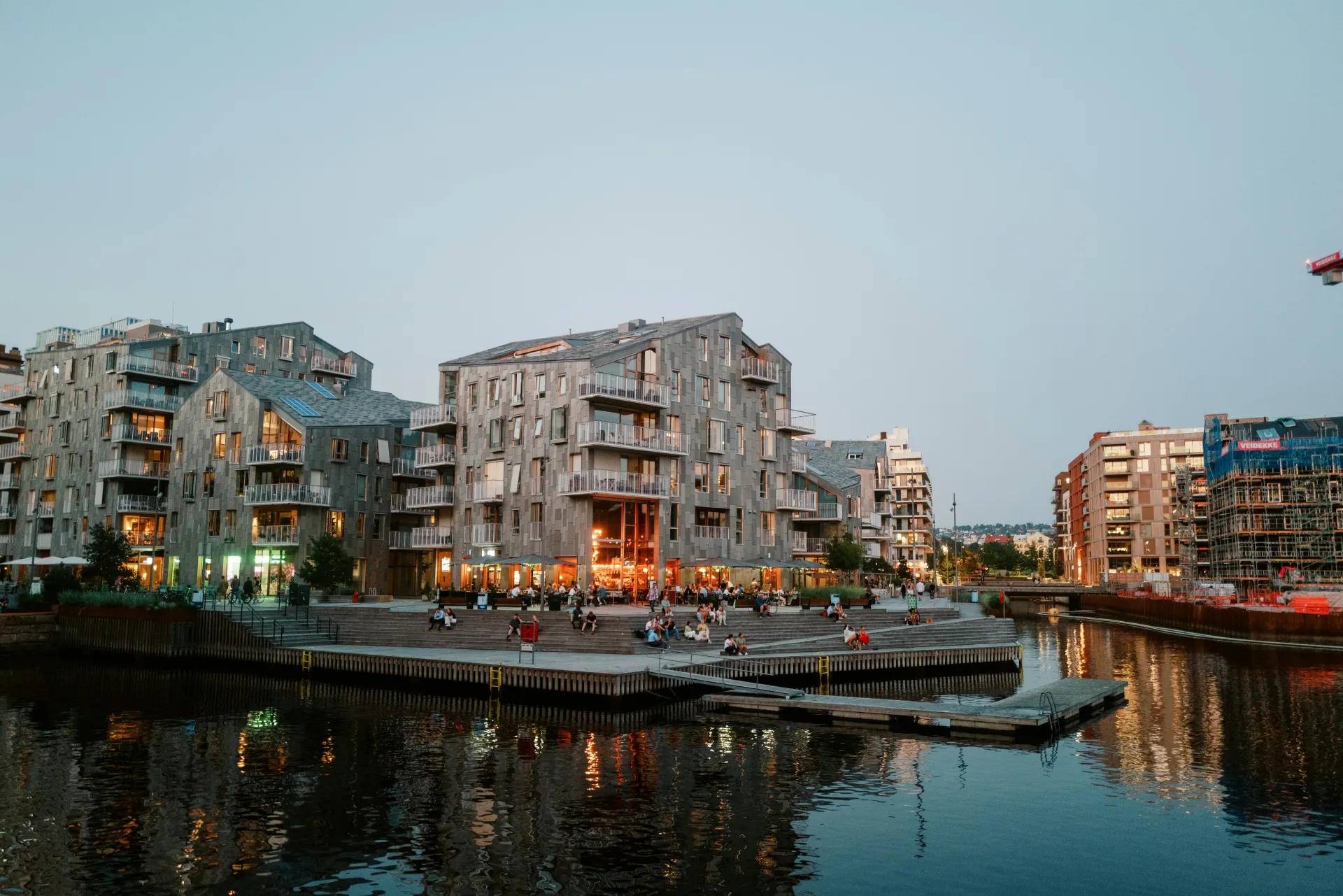
Vander Apartments → Oslo Travel Guide → Weekend in Oslo
Weekend in Oslo
Oslo is one of the easiest capitals in Europe for a weekend trip. Most highlights are walkable, the waterfront connects the city’s best sights, and public transport makes it simple to add a museum, a viewpoint, or even a quick fjord escape.
This guide gives you a ready-made plan for both a 48-hour weekend in Oslo and a 72-hour weekend in Oslo, with realistic pacing and minimal transport. Choose the itinerary that matches your travel style, then adjust using the quick swaps and weather options below.
Quick facts (Weekend in Oslo)
- Ideal trip length: 48 hours for essentials, 72 hours for islands, museums and nature
- Best weekend formula: 1 highlight + 1 scenic walk + 1 food neighbourhood
- The core Oslo loop: Opera House → Akershus → Aker Brygge
- One thing to book: One Friday or Saturday dinner
- Best areas to stay: Teaterkvartalet, Bjørvika, Solli, Sørenga
- Bad weather plan: Museum + cafés + sauna culture
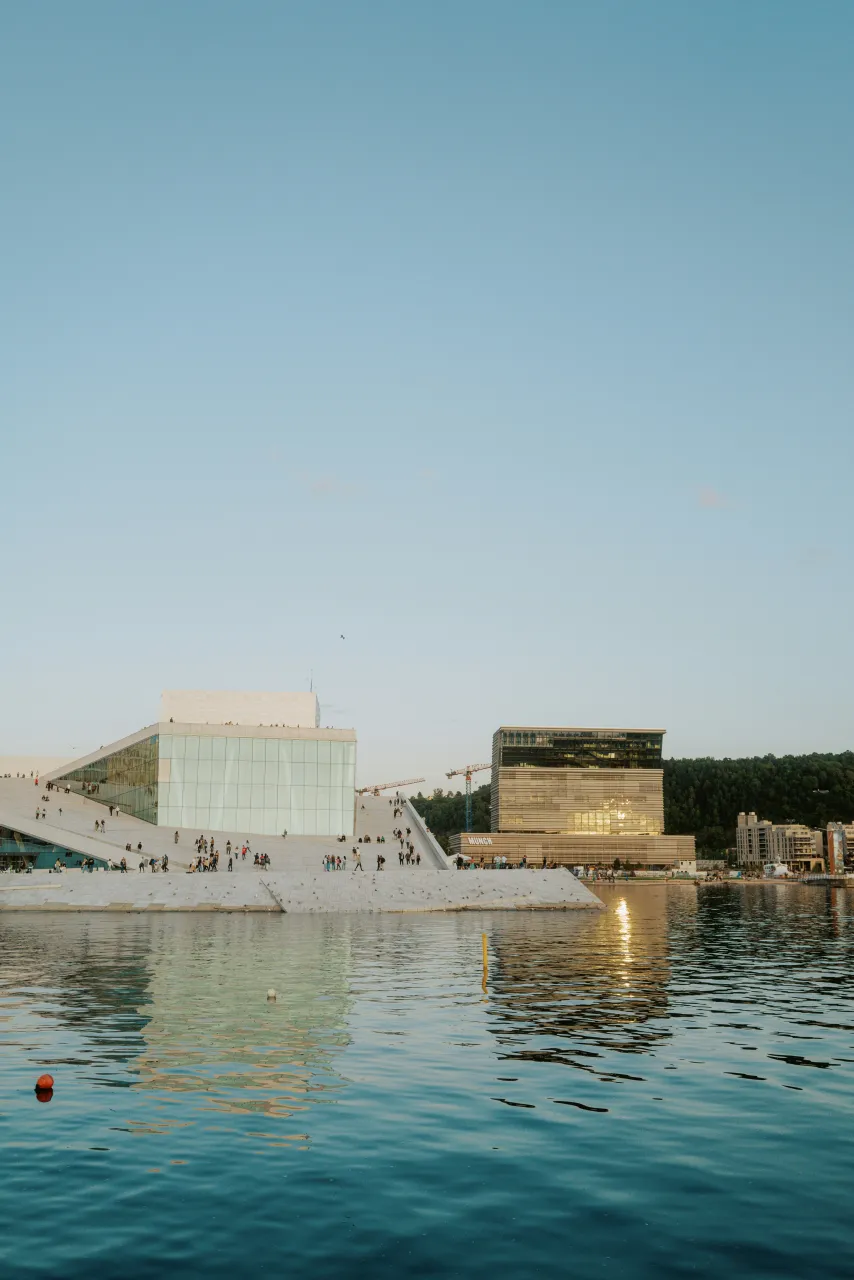
Table of contents
Use the links below to jump straight to the section you need.
The perfect weekend formula
48 hours in Oslo itinerary
72 hours in Oslo itinerary
Where to stay for a weekend in Oslo
Getting around on a weekend
The weekend food plan
Rain and winter swaps
Weekend in Oslo with kids
Common weekend mistakes
Plan the rest of your Oslo trip
Oslo weekend FAQs
Ready to book your stay in Oslo
Back to Guide to Oslo
The perfect weekend formula (how to plan Oslo in 2–3 days)
Oslo weekends work best when you plan by simple blocks instead of long attraction lists. The city is compact and walkable, but trying to see too much in one day quickly feels rushed. A better approach is to build each day around one highlight, one outdoor moment, and one neighbourhood for food and atmosphere.
One main highlight per day
Choose one “anchor” experience such as a major museum, an iconic landmark, or a panoramic viewpoint. Everything else should support this main plan.
Best for: museums, landmarks, viewpoints
Why it works: keeps days focused and relaxed
One outdoor moment per day
A waterfront stroll, park walk, or short hike is what makes Oslo feel like Oslo, even on a short visit.
Best for: walking paths, parks, waterfront areas
Why it works: adds breathing room to your schedule
One neighbourhood for cafés and dinner
Pick one area per day for meals and evening atmosphere. This avoids wasting time travelling back and forth.
Best for: local food, casual dining, evening strolls
Why it works: keeps evenings simple and walkable
The one booking rule
Book one dinner in advance if you’re visiting on a Friday or Saturday, especially for seafood or modern Nordic restaurants. Lunch, cafés, food halls, and casual spots are easy to decide on the go.
Want attractions to plug into this structure?
Things to do in Oslo →
Choosing neighbourhoods for evenings?
Oslo neighbourhood guide →
48 hours in Oslo itinerary (classic weekend route)
This is a balanced 48-hour Oslo itinerary built around waterfront highlights, one optional museum block, and one neighbourhood that gives you a local feel. The route is designed as a walkable loop so you spend your time sightseeing, not commuting. You can easily tilt the weekend toward food, museums, or local atmosphere using the quick swaps without changing the overall flow.
Day 1 – Waterfront and city essentials
Morning
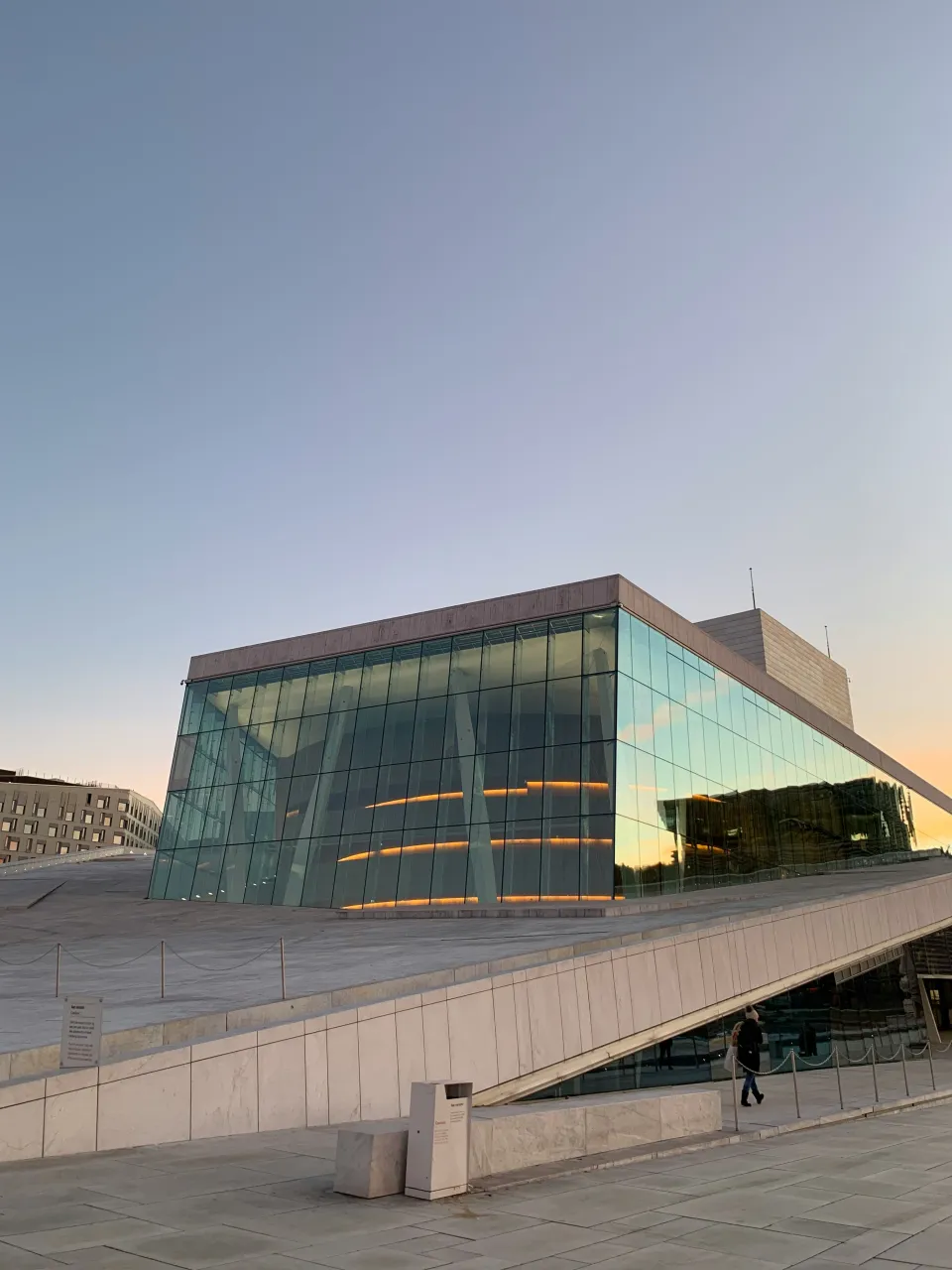
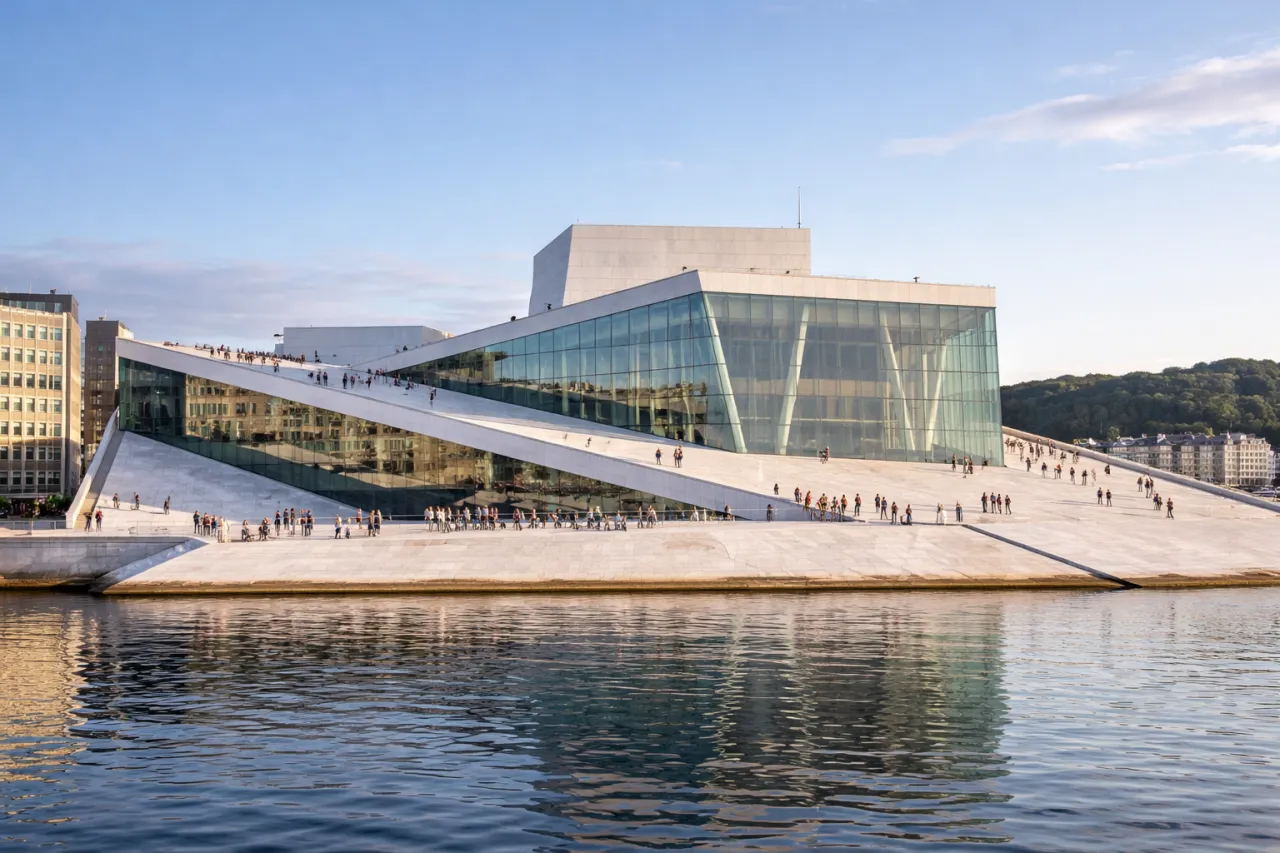
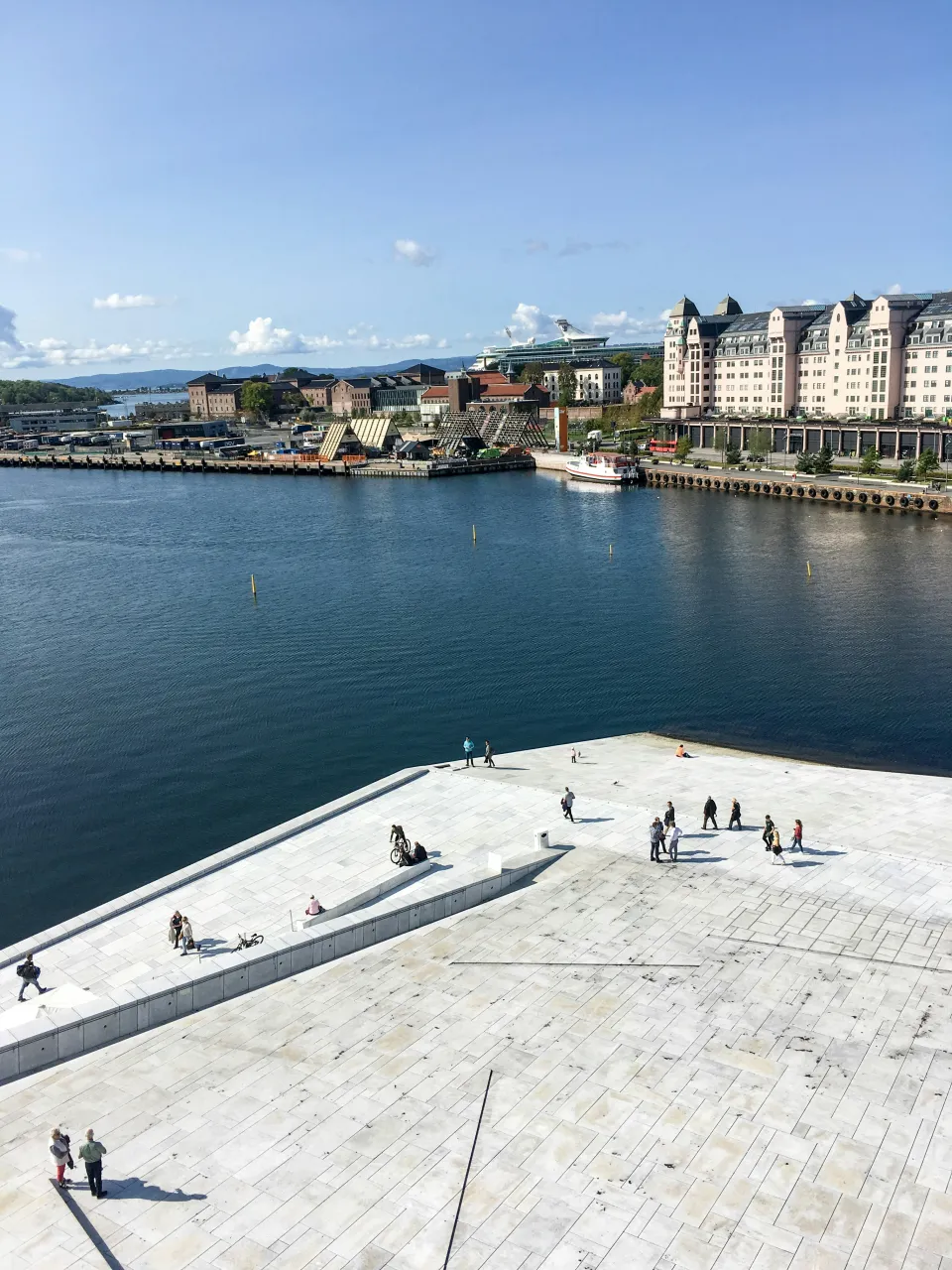
Start in Bjørvika, where modern Oslo meets the fjord. Walk up the Oslo Opera House rooftop for your first panoramic view, then follow the waterfront promenade toward the MUNCH area. If you plan to visit one major museum this weekend, this is the easiest time slot for MUNCH because it fits naturally into the Bjørvika loop.
Lunch
Keep lunch simple and close to the route. Choose a bakery, café, or casual lunch spot in Bjørvika or Sentrum. A bakery lunch with coffee or a warm casual meal works perfectly.
Afternoon
Walk toward Akershus Fortress for a relaxed loop through the grounds and harbour viewpoints. From here, continue along the water toward Aker Brygge. This stretch is peak weekend Oslo and one of the city’s most scenic walks.
Evening
Spend the evening around Aker Brygge and Tjuvholmen for the fjord promenade, people watching, and an easy dinner plan. If you’re visiting on Friday or Saturday, this is where your pre-booked dinner should be.
Day 2 – Classic Oslo and a local neighbourhood
Morning
Start with classic Oslo at a slow pace. Walk along Karl Johans gate toward the Royal Palace, then spend some time in the Palace Park. This is a calm, central walk that balances Day 1’s waterfront focus.
Midday
Choose one anchor depending on your travel style. Option A is the National Museum if you want one major culture block and a clean “Oslo classics” experience. Option B is a longer park and street walk in Frogner if you prefer lighter pacing and a more local rhythm.
Afternoon
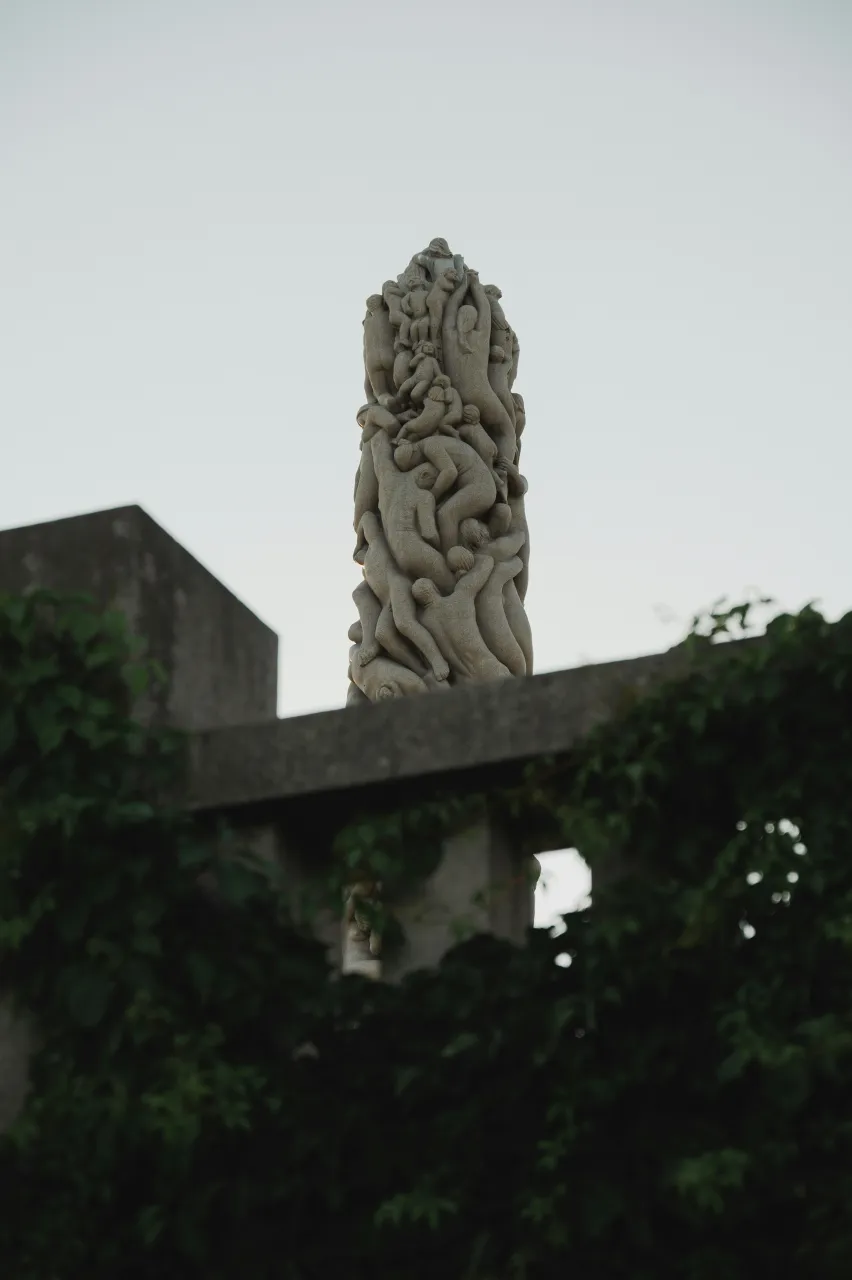
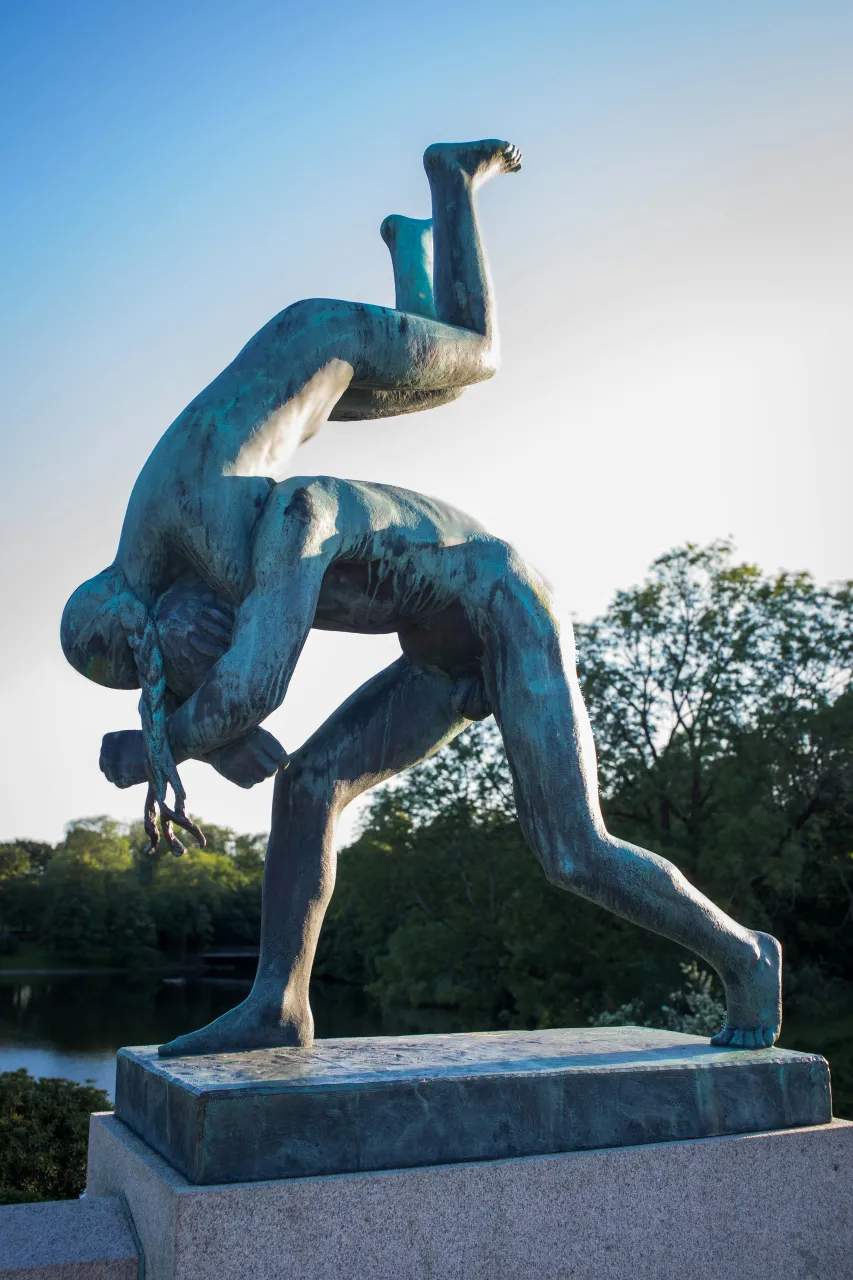
Head to Vigeland Sculpture Park for Oslo’s most iconic park experience. Afterward, shape the afternoon to your mood. Stay in Frogner for classic streets and calm cafés, or head to Grünerløkka for a more local vibe with cafés, small shops, and the Akerselva river.
Evening
Keep the final night low effort. Choose a casual dinner near where you’re staying so you don’t spend time crossing the city. If you still have energy, finish with a short evening walk in your neighbourhood.
Best restaurants and what to book →
Choosing the best base so this itinerary stays walkable →

72 hours in Oslo itinerary (add a real Oslo feel)
Day 3 is what turns a good weekend into a memorable one. With a third day, you can slow down, add nature or fjord life, and experience Oslo beyond the highlights. Follow the 48-hour itinerary for Days 1–2, then choose one Day 3 style below based on season, weather, and energy level.
Day 3 option A – Fjord islands half day (May to September)
This is the most “Oslo summer” option and the easiest way to enjoy fjord life without booking a tour. Take a public ferry to one island late morning and keep the pace slow.
How to structure the day
-
Choose one island and do a simple walking loop
-
Swim, relax on the rocks, or enjoy a picnic
-
Return by mid-afternoon and keep the evening central
Day 3 option B – Viewpoints and Nordmarka feel
For a taste of Norway’s nature without leaving the city, head to Holmenkollen for the iconic viewpoint and surrounding forest areas.
How to structure the day
-
Visit Holmenkollen viewpoint
-
Add a short forest walk nearby
-
Return to the city for a relaxed dinner
Day 3 option C – Museum-focused day (bad weather)
If the weather turns, make Day 3 your indoor culture day and keep Days 1–2 walk-heavy.
How to structure the day
-
Start with one major museum as your anchor
-
Add one smaller or nearby museum if you have energy
-
Finish with cafés and a cosy dinner
Where to stay for a weekend in Oslo
If your base is walkable, the whole weekend gets easier. Oslo is compact, but the wrong location still adds unnecessary transport and planning. For a short stay, prioritise being central and connected to the waterfront loop. The best weekend bases let you walk to dinner, start sightseeing straight from your door, and finish evenings without logistics.
Best bases for a short weekend
| Teaterkvartalet (Sentrum) | The most efficient base for a classic 48-hour weekend. Close to Karl Johans gate, the National Museum area, Aker Brygge, and transport from Oslo S. Ideal if you want maximum walkability with minimal friction. |
| Opera Area (Bjørvika / Barcode) | Best for modern Oslo and museum-focused weekends. Start Day 1 at the Opera rooftop and waterfront promenade, with MUNCH as an easy add-on. Great if you like newer buildings, fjord views, and a “new city” feel. |
| Solli | Central with a local feel. Parks, cafés, and calmer streets, while still walkable to Aker Brygge, Frogner, and the city centre. A good choice if you want less touristy energy without losing convenience. |
| Sørenga | Best summer-vibe base. Evening waterfront walks, swims, and long daylight, with easy access to Bjørvika and the Opera area. Slightly more fjord-focused than central, but excellent for short stays. |
Getting around on a weekend
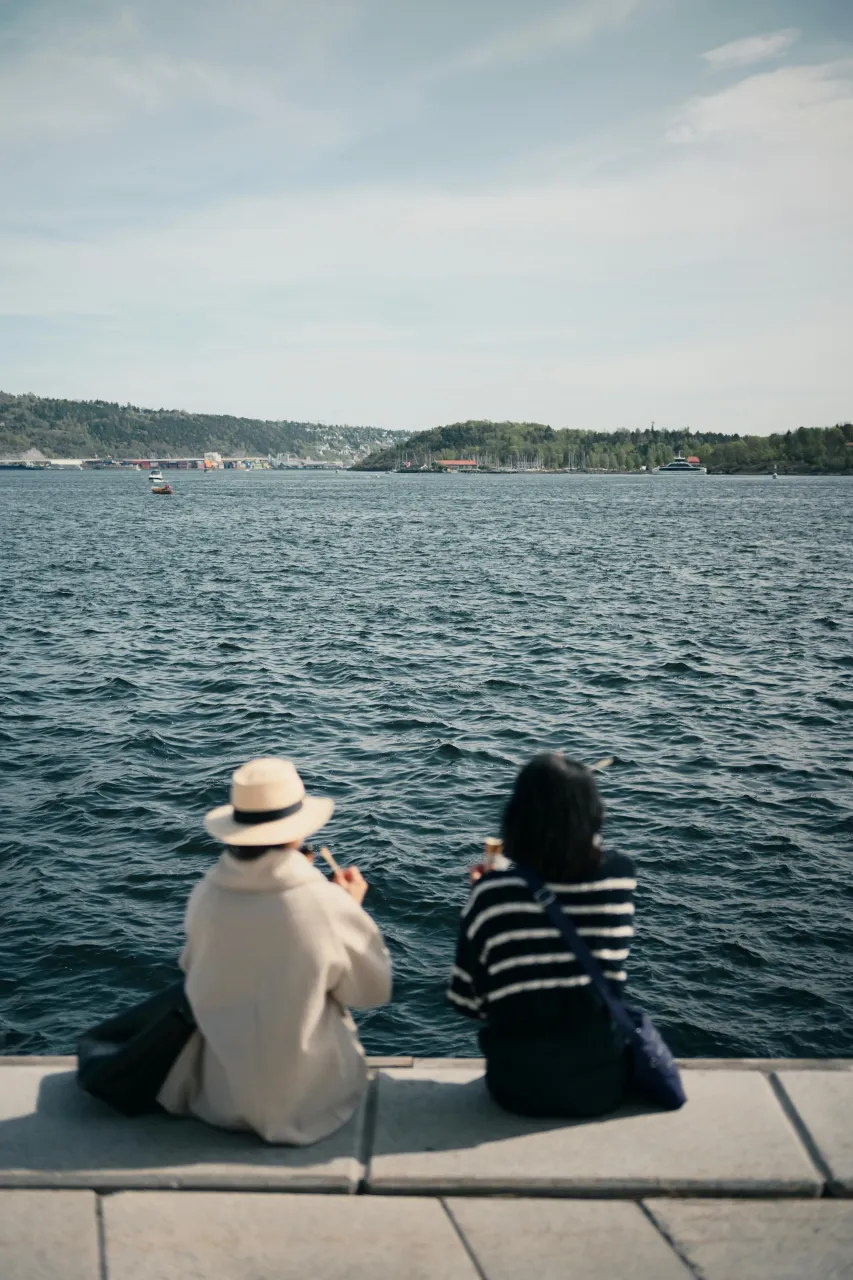
Walk first, transport secondMost Oslo weekends work best on foot. When to use public transport Airport to city centre (fastest option) Simple weekend rules
|
The weekend food plan (eat well without overplanning)
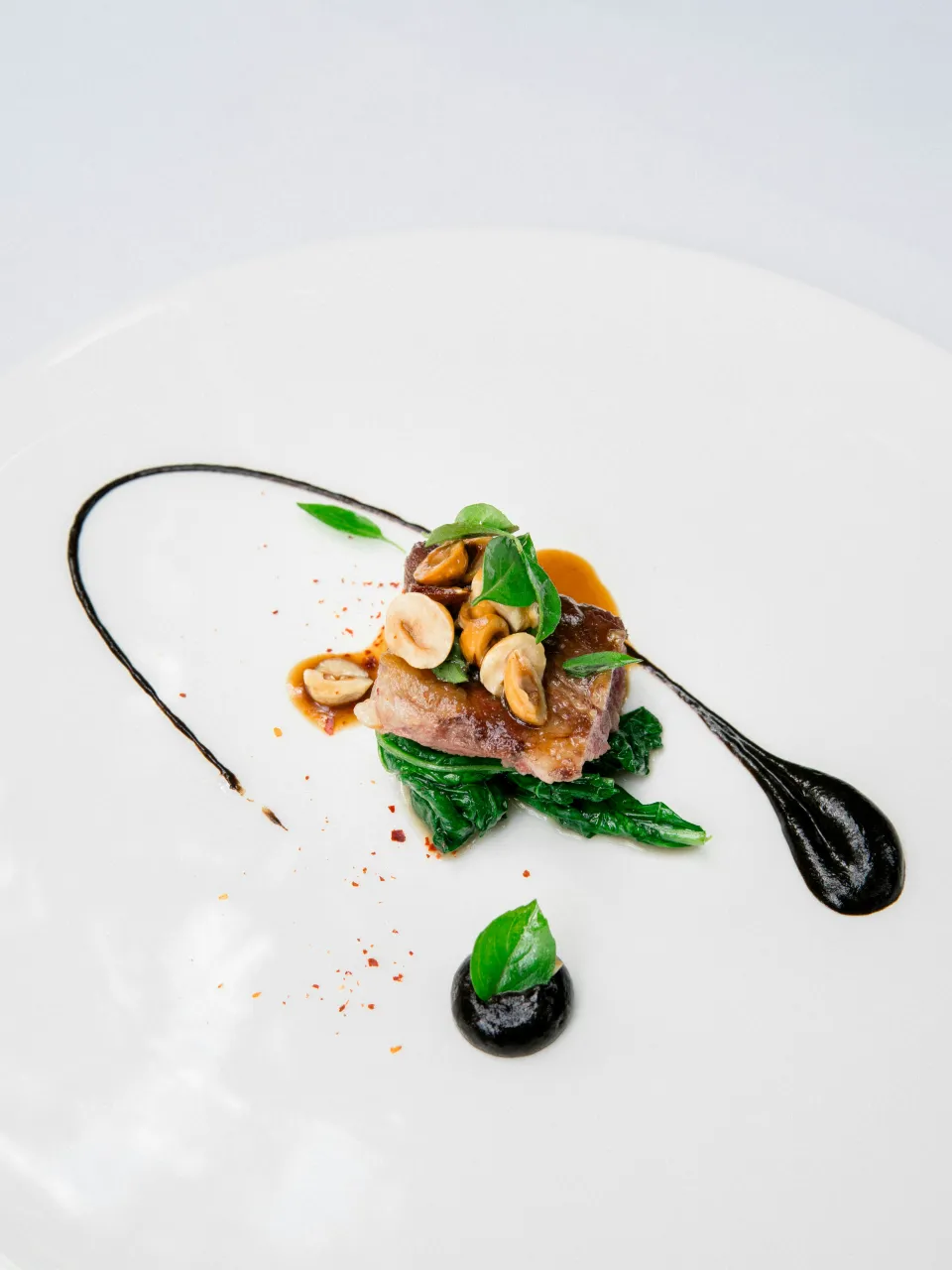
The easiest way to eat well in Oslo is simple: plan one great dinner, then keep everything else flexible. Oslo has excellent cafés, bakeries, and food halls, so you do not need to lock in every meal. One smart booking removes stress. The rest can stay spontaneous.
The simple structure
One booked dinner
-
Book for Friday or Saturday night
-
Choose one place you are excited about
One food hall lunch
-
Fast, flexible and good value
-
Perfect for busy sightseeing days
One café morning
-
Slow coffee and pastry start
-
Easy way to get a local feel
One casual backup near your base
-
Low-effort option for tired evenings
-
Avoids crossing the city for food
What to book and what to keep spontaneous
Book in advance
-
Tasting menus
-
Popular weekend restaurants
Keep spontaneous
-
Food halls
-
Bakeries and cafés
Rain and winter swaps
Oslo still works brilliantly in bad weather, as long as you shift from long outdoor loops to short walks and indoor anchors. Think of rain and winter as a reason to lean into what Oslo does best: museums, cafés, saunas and cosy evenings. The goal is to keep the pacing smooth so the day still feels like a weekend trip, not a backup plan.
If it rains
Swap scenic walks for compact museum blocks
Instead of forcing the waterfront promenade, choose one museum as your main anchor and connect the day with short covered walks and indoor stops.
Upgrade cafés from “coffee” to “breaks”
Stay longer than usual. Rainy Oslo is made for warm drinks, pastries and slow pacing.
Use indoor architecture as sightseeing
Libraries, markets, hotel lobbies, museums and galleries become part of the experience. You still get the Oslo feeling without being soaked.
Keep evenings simple and warm
Choose dinner near your base and avoid crossing the city. For a real Norway moment, end the day with a sauna.
If it is cold
Do one viewpoint, then go indoors
Pick one outdoor highlight worth the cold: a viewpoint, fortress views or a short winter waterfront walk.
Balance the day with indoor culture
After your outdoor block, move into museums, galleries, shopping streets or design spots.
Finish with cosy energy
End the day with a calm dinner and something seasonal: a wine bar, warm café or sauna session.

Weekend in Oslo with kids
Easy city, easy pacingOslo works very well for a family weekend. Great anchor activities
Family pacing rules
|
Common weekend mistakes in Oslo (and how to avoid them)
A weekend in Oslo is short, which means small planning mistakes feel bigger than they would on a longer trip. Avoiding these common pitfalls will make your weekend smoother, calmer, and more like Oslo instead of rushed.
Most frequent mistakes
Not booking Friday or Saturday dinner
-
Popular restaurants fill up fast on weekends
-
Book one dinner in advance and keep the rest flexible
Staying too far from the core loop
-
Non-central bases add transport time and friction
-
For short trips, central beats “nice area”
Trying to fit too many museums into one day
-
Museum stacking makes the day feel heavy
-
One main museum per day is the sweet spot
Crossing the city for dinner
-
Long dinner travel eats peak weekend time
-
Choose dinner near where you end the day
Skipping the waterfront loop
-
Oslo’s easiest win for views and atmosphere
-
If you do one “Oslo thing”, make it this
Ready to book your stay in Oslo
For a weekend in Oslo, an apartment hotel is one of the easiest choices. You get more space, a kitchen for simple breakfasts, and a flexible base that still feels premium, while staying close to the city’s most walkable areas.
Apartments
-
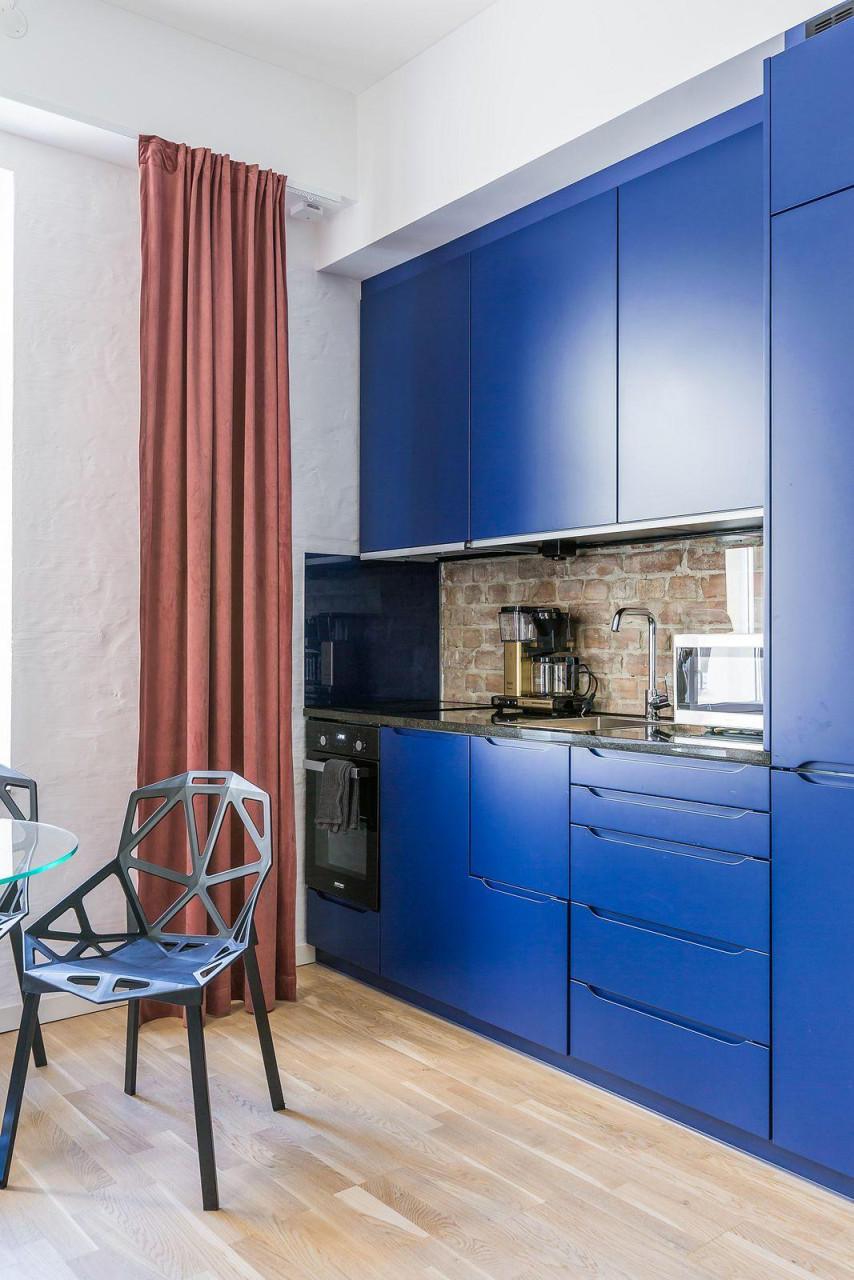
Solli Studio

Oslo - Norway 2 guests
-
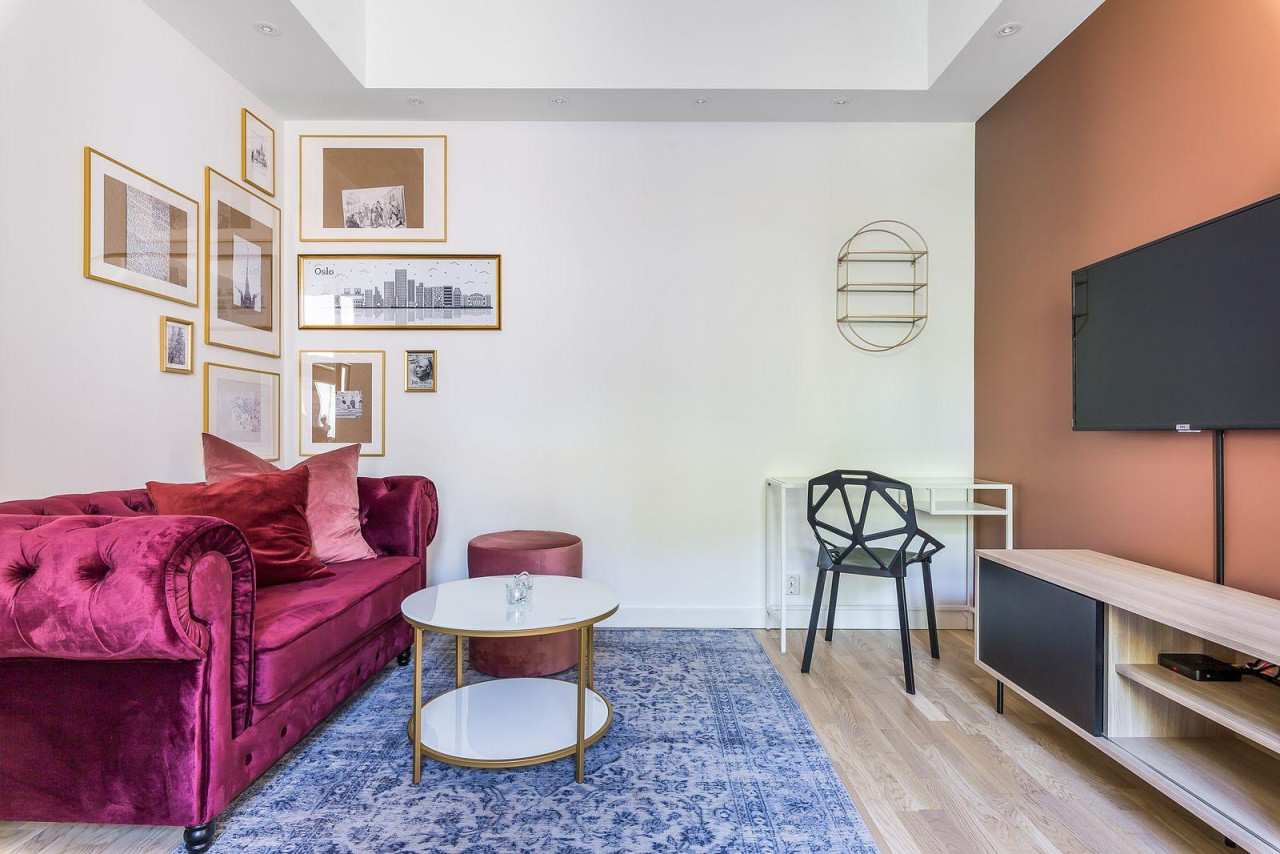
Solli One Bedroom
Oslo - Norway 2+1 guests
-
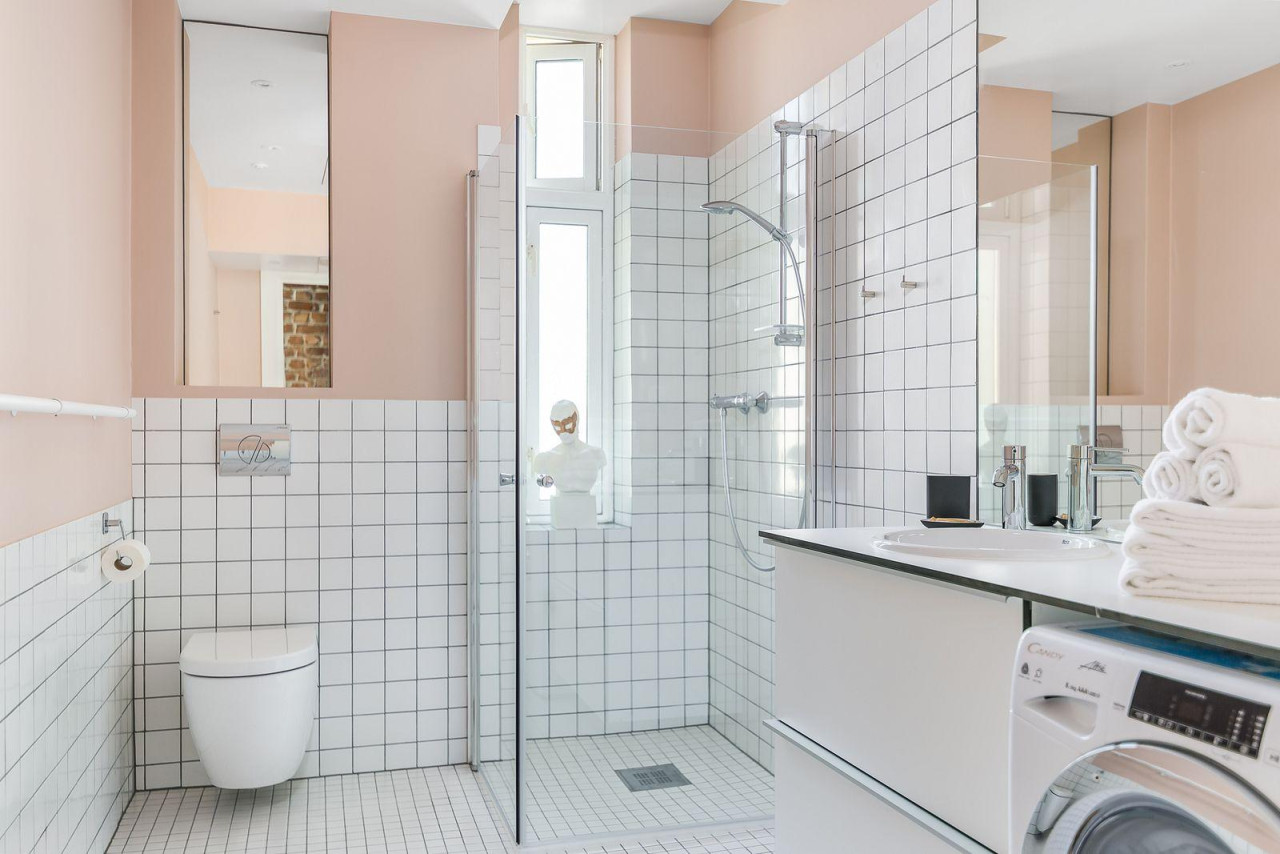
Solli Two Bedroom for 3
Oslo - Norway 3+1 guests
-
Sørenga One Bedroom

Oslo - Norway 2+1 guests
-
Sørenga Two Bedroom for 4
Oslo - Norway 4+1 guests
-
Opera Area One Bedroom
Oslo - Norway 2+1 guests
-
Opera Area One Bedroom Superior
Oslo - Norway 2+1 guests
-
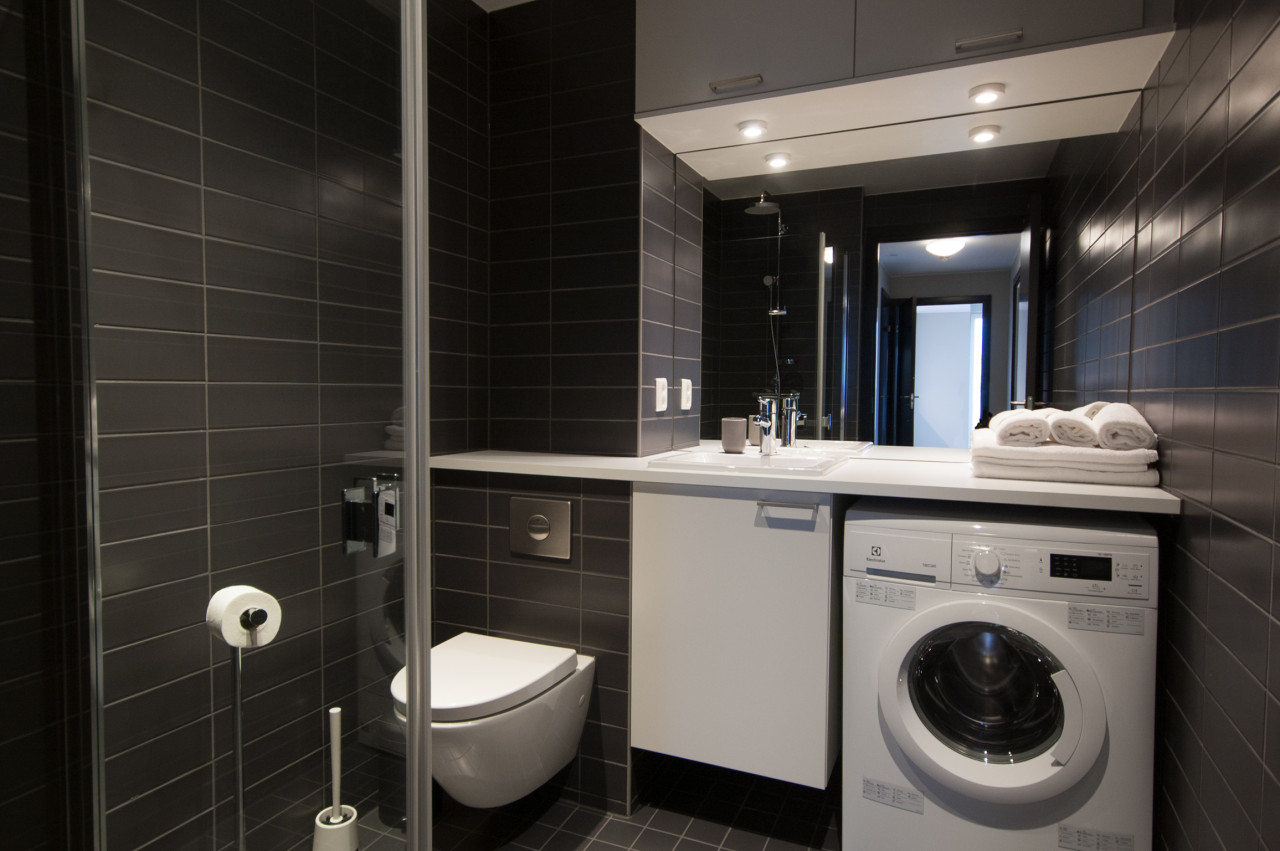
Opera Area Two Bedroom for 3
Oslo - Norway 3+1 guests
-
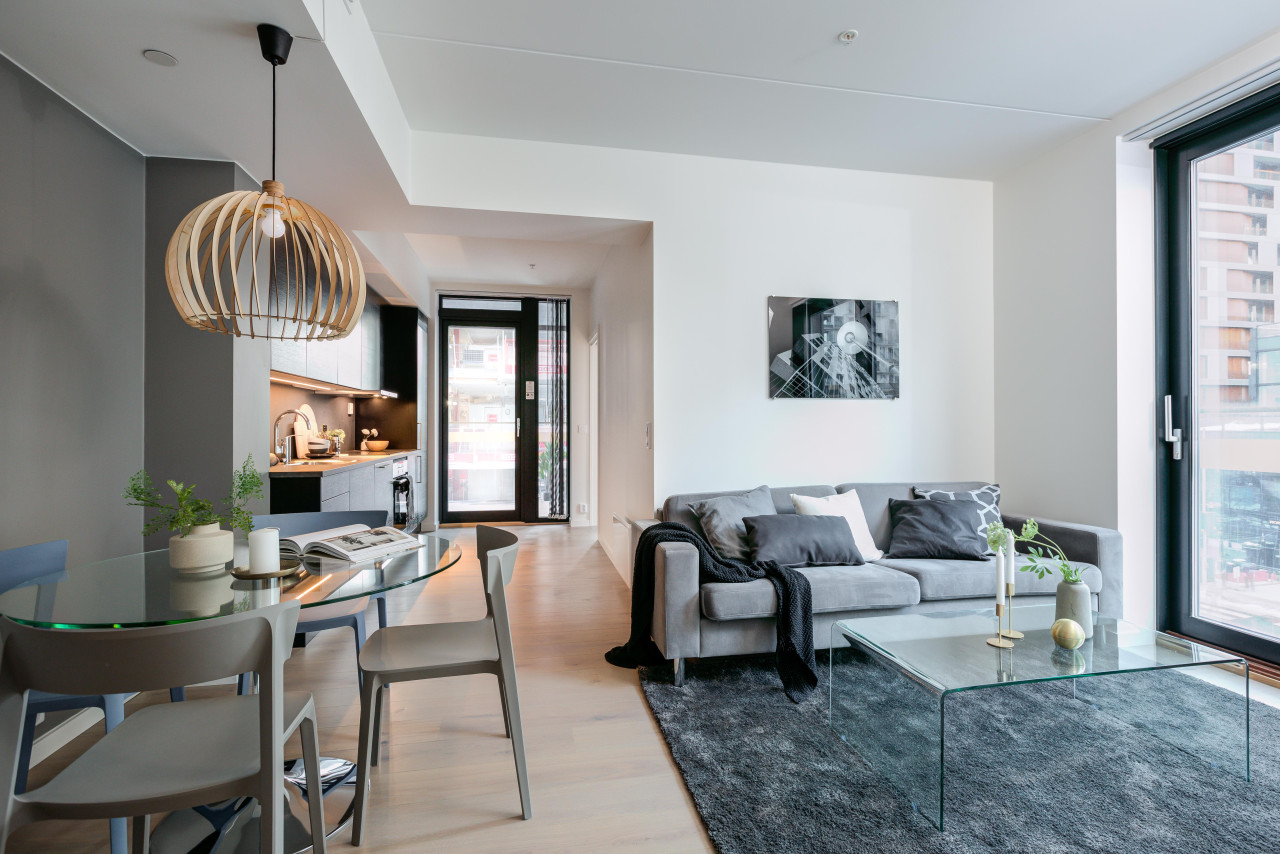
Opera Area Three Bedroom for 4
Oslo - Norway 4+1 guests
-
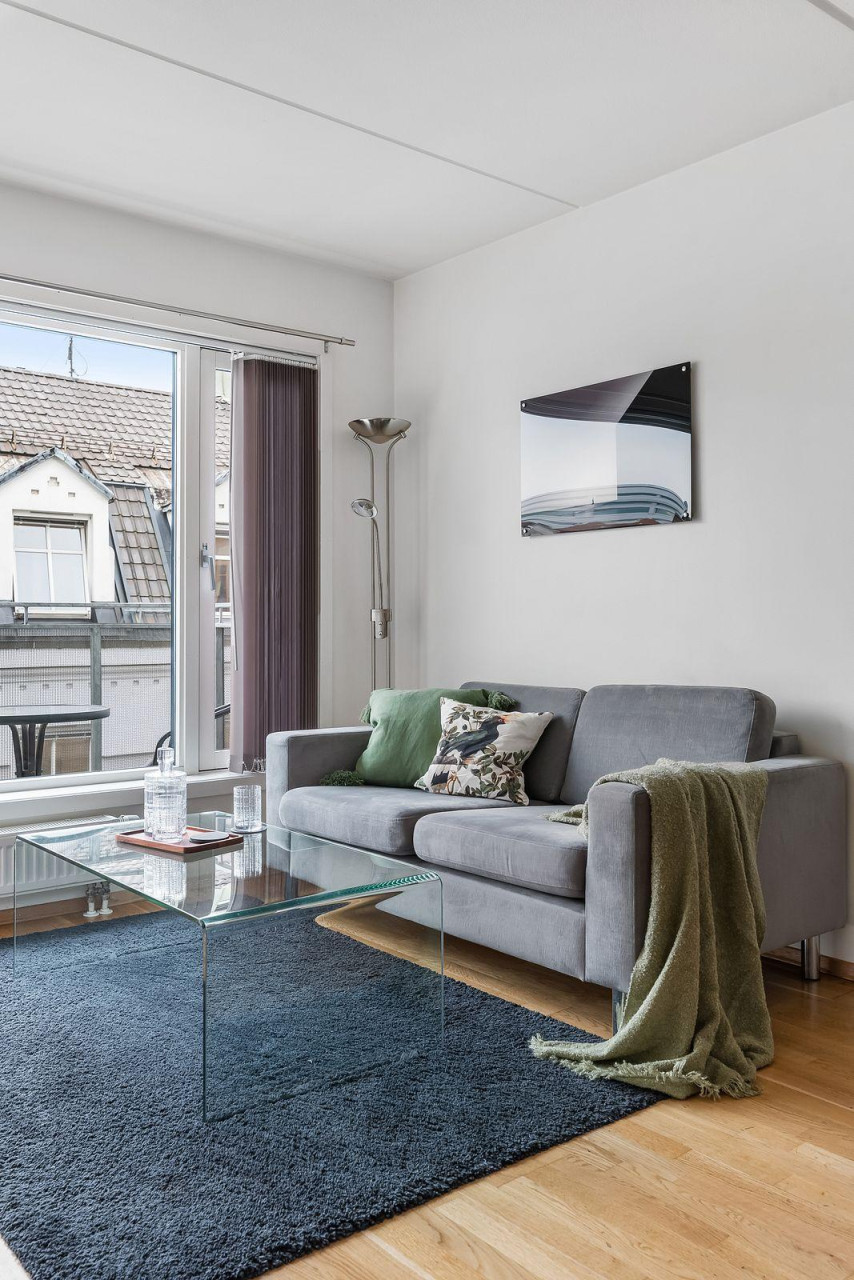
Teaterkvartalet One Bedroom
Oslo - Norway 2+1 guests
-
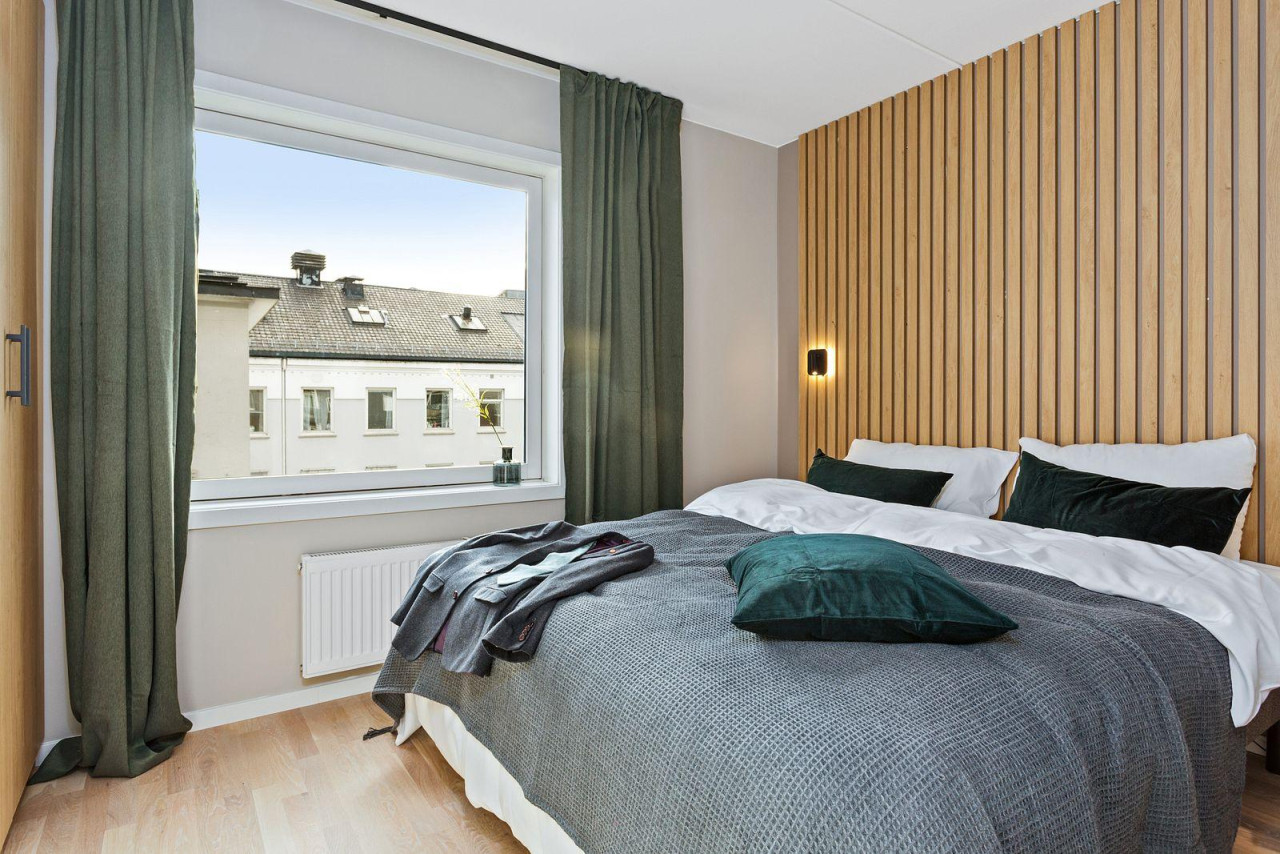
Teaterkvartalet One Bedroom Superior
Oslo - Norway 2+1 guests
-
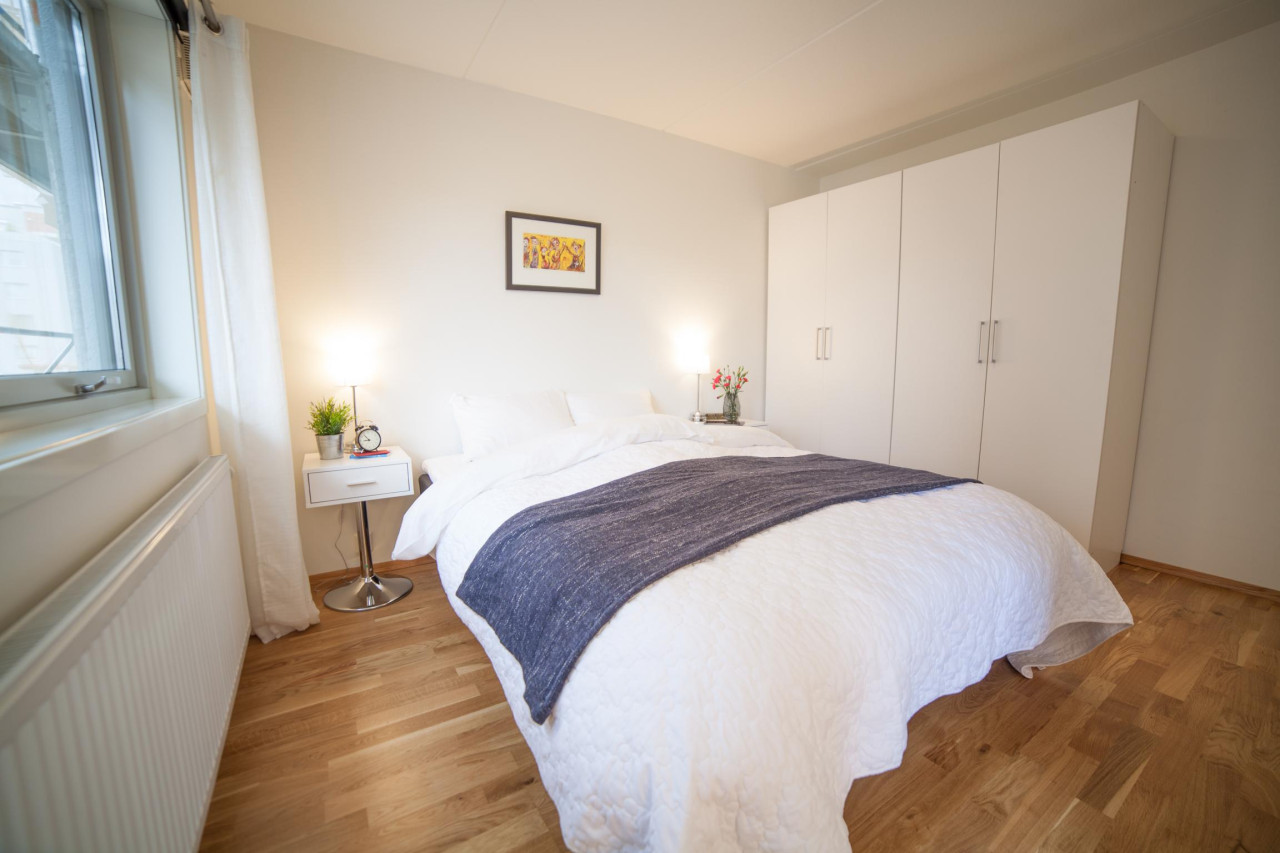
Teaterkvartalet Two Bedroom for 3
Oslo - Norway 3+1 guests
-
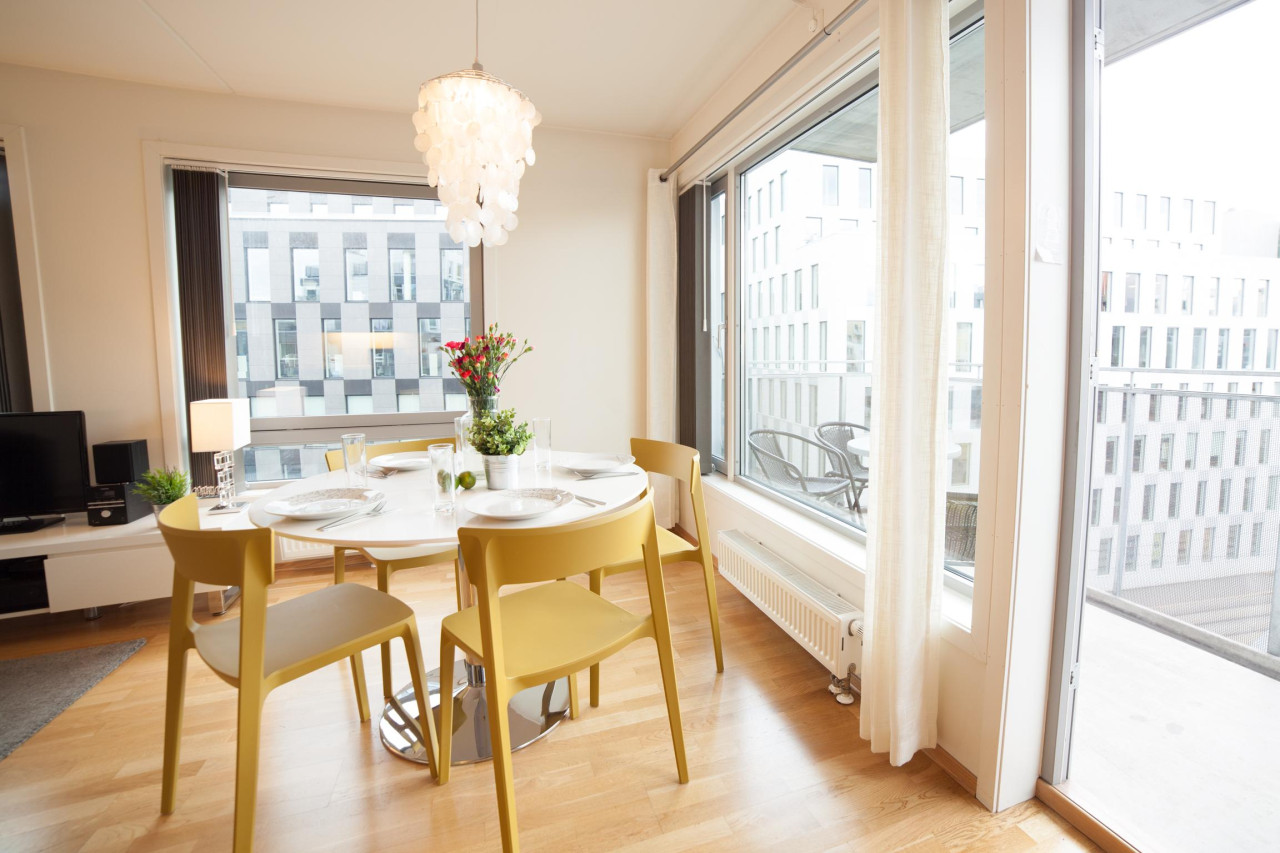
Teaterkvartalet Two Bedroom for 4
Oslo - Norway 4+1 guests
-
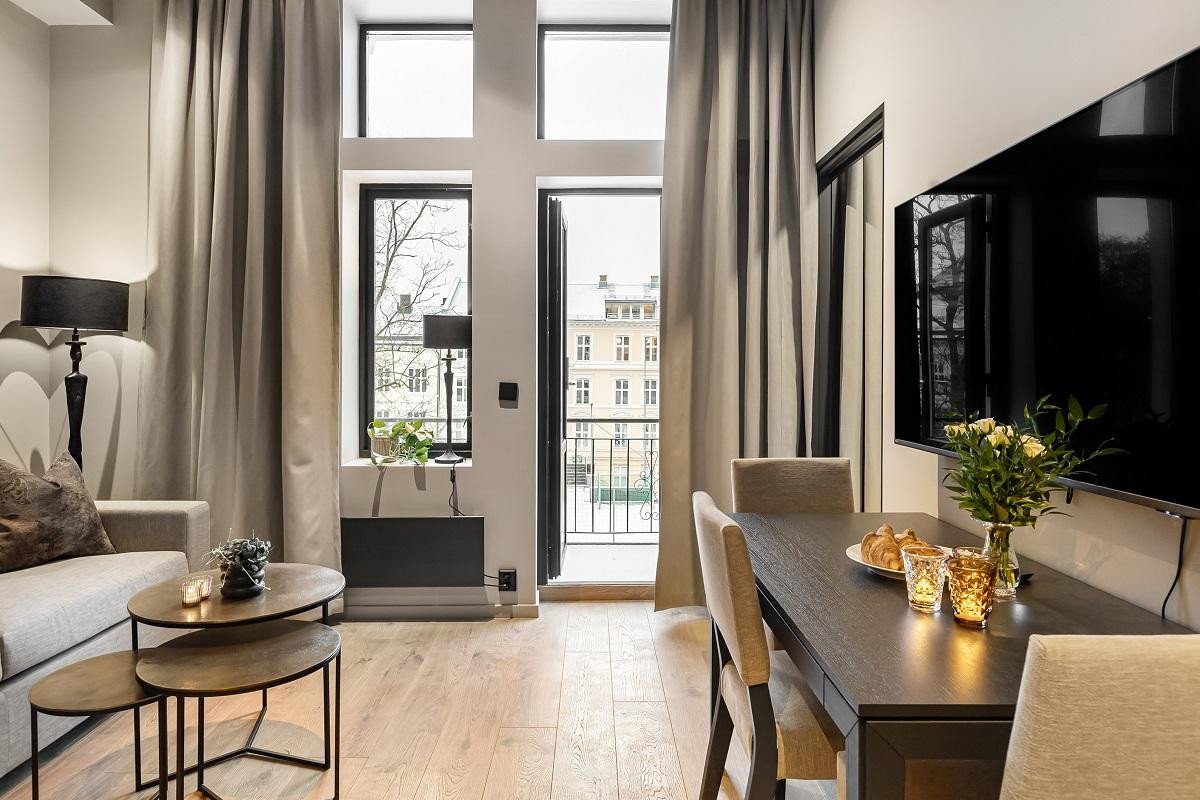
Parkveien One Bedroom

Oslo - Norway 2 guests
-
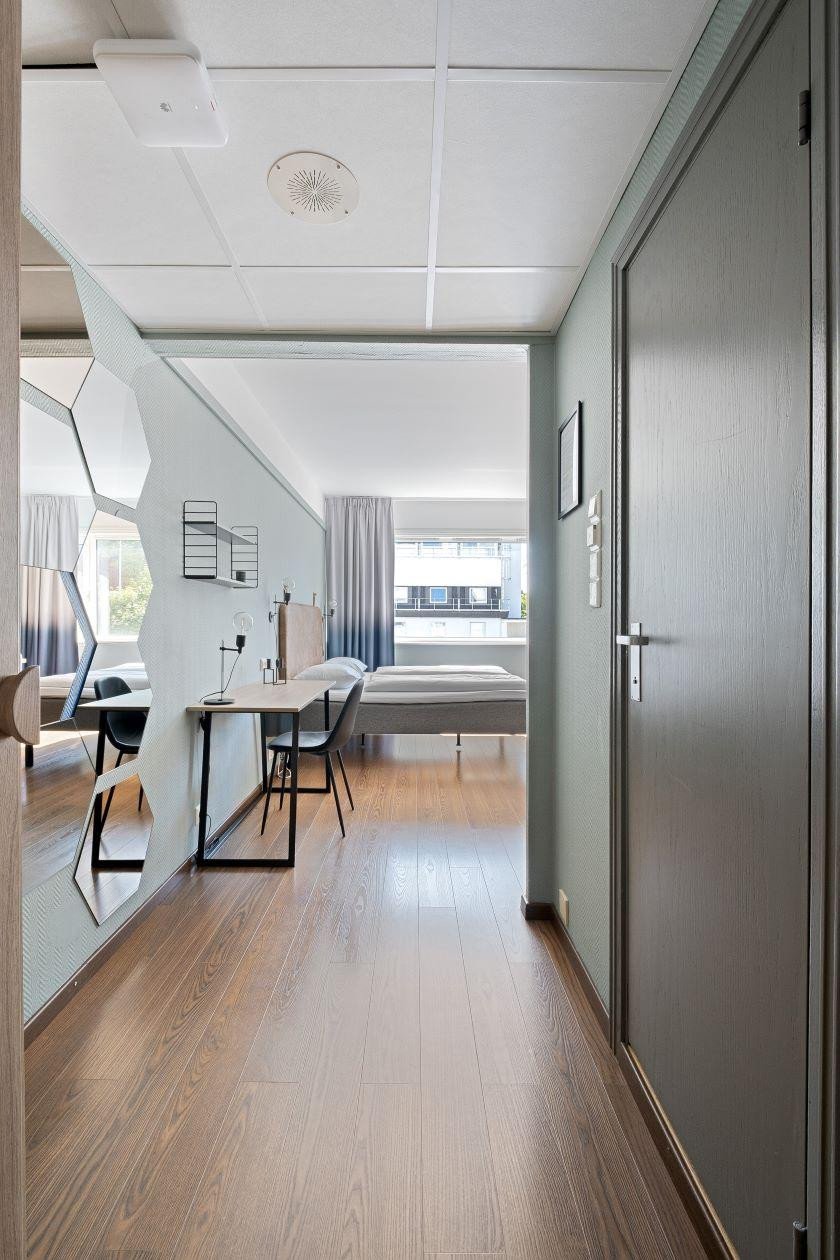
Sirkus Renaa Studio
Stavanger - Norway 2 guests
-
Sirkus Renaa One Bedroom Superior
Stavanger - Norway 2 guests
-
Parkveien Three Bedroom
Oslo - Norway 6 guests
Oslo weekend FAQs
Is 2 days enough for Oslo?
Yes, for the essentials. In 48 hours you can do the full waterfront loop, visit one major museum, and still have time for one neighbourhood that feels local.
Is 3 days in Oslo too much?
No. Day 3 is where Oslo becomes more than a checklist: fjord islands in warm months, Holmenkollen plus a taste of Nordmarka year round, or a museum-focused rainy day.
Do you need to book restaurants on a weekend?
Only one booking is really necessary: dinner on Friday or Saturday. Keep food halls, cafés, bakeries and casual dinners flexible.
Where should you stay for a weekend in Oslo?
Stay central and walkable. Teaterkvartalet is the most efficient base, while the Opera Area, Solli and Sørenga are great depending on whether you prefer modern waterfront vibes or calmer streets. Apartment hotels and serviced apartments are often the easiest choice for weekends.
What is the best way to get around for a weekend?
Walk first, transport second. Use metro or tram only when adding one outer highlight such as Holmenkollen, Bygdøy museums, Nordmarka or island ferries.
Is Oslo expensive for a weekend?
It can be, but it does not have to be. Walk instead of using taxis, use bakeries and food halls for value meals, and plan one good dinner instead of several. Staying somewhere with a kitchen also helps keep costs down.
What is the best time of year for a weekend in Oslo?
May to September offers long days, island ferries and the best waterfront atmosphere. Winter weekends work well if you focus on museums, cafés, viewpoints and sauna culture.
Should you get the Oslo Pass for a weekend?
Only if you plan to visit several museums and use public transport frequently. For mostly walking-based weekends, paying as you go is usually cheaper.
Plan the rest of your Oslo trip
|
Things to do in Oslo → |
Best areas to stay → |
|
Getting around → |
Restaurants in Oslo → |
|
Free things to do → |
Day trips from Oslo → |
Back to Guide to Oslo
 Vander is a scandinavian hotel apartment chain where you feel more at home than away. Stay for months, weeks or just one night, in a modern apartment.


Copyright © 2026 Vander