
Vander Apartments → Oslo Travel Guide → Getting around in Oslo
Getting around in Oslo
Oslo is compact, walkable, and very easy to navigate without a car. Use this guide to choose the right ticket, understand zones, and know when to use the metro, tram, bus, or ferries. For short distances, e-scooters like Ryde and Bolt can also be a quick and convenient option.
Quick facts (Getting around Oslo)
- Best way to get around: Walk first, then use tram or metro for longer distances
- Main transport provider: Ruter
- Best ticket option for tourists: 24-hour pass if you ride 3+ times
- Most visitors only need: Zone 1
- Airport transfer easiest: Train to Oslo S
- Ferries you’ll use most: Oslofjord island ferries in summer + Bygdøy ferry
- Fast option for short rides: E-scooters like Ryde and Bolt
Golden rule: If you leave the city core, check zones in the Ruter app before you buy.

Table of contents
Use the links below to jump to what you need.
Airport transfer: Oslo Airport to city centre
Public transport in Oslo (Ruter overview)
Tickets and zones explained (simple)
How to buy tickets (Ruter app step by step)
Metro, trams and buses: what to use when
Ferries: islands and Bygdøy
Oslo on foot: best walking logic
Oslo by bike: city bikes and rentals
Taxi, Uber and Bolt: what to expect
Oslo Pass and transport: is it worth it?
Common mistakes tourists make
FAQs
Back to Guide to Oslo
Oslo Airport to the city centre (OSL transfer)
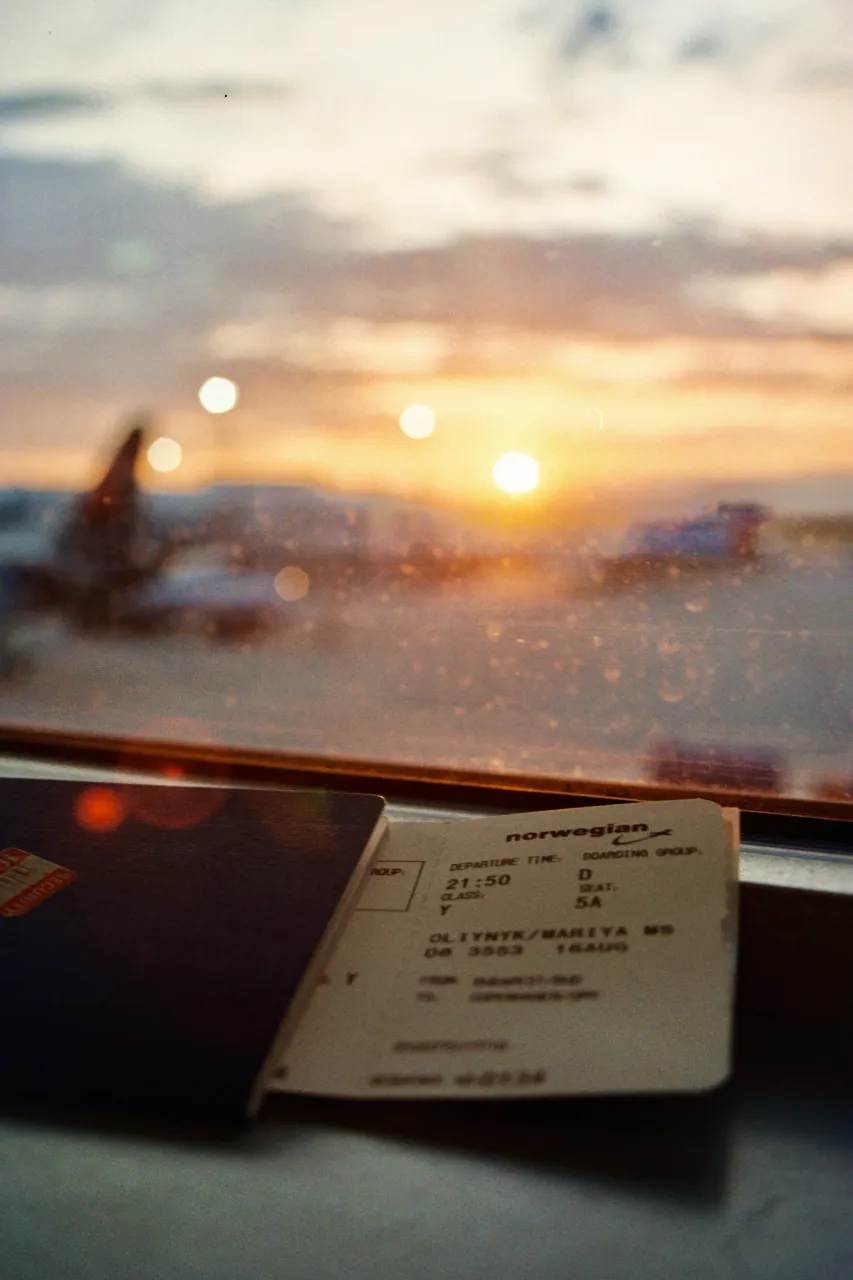
Getting from Oslo Airport (OSL Gardermoen) to the city centre is fast, reliable and easy. For most travellers, the train to Oslo Central Station (Oslo S) is the best option. Airport buses work well for budget travellers or hotels outside the core centre, while taxis and ride services suit groups and late arrivals.
Best default choice: train
Airport Express Train (Flytoget)
Fastest non-stop service from Oslo Airport to Oslo Central Station.
Local & regional trains (Vy)
Slightly slower but cheaper trains that also run directly to Oslo S.
Why the train is best for most visitors
Frequent departures, simple ticketing, no transfers, and arrival in the heart of Oslo.
Typical travel time
20–25 minutes
Where you arrive
Oslo Central Station (Oslo S)
Local tip: If you stay in central Oslo, Oslo S is the most convenient arrival point. Most hotels are walkable or one short tram or metro ride away.
Need help navigating public transport once you arrive?
Getting around Oslo →
Back to the full Oslo guide hub:
Guide to Oslo →
When the airport bus makes sense
The airport bus is usually slower than the train, but it can still be a smart option in a few cases.
Choose the airport bus if:
- You want a cheaper option than the airport express train
- Your accommodation is outside the core centre and the bus stops closer
- You arrive late and the bus route matches your location better
- You prefer direct “door-to-neighbourhood” routes
Typical travel time
- 45–60 minutes (depending on route and traffic)
Taxi and ride services
Taxi and ride services are the most convenient door-to-door option, but also the most expensive.
Best for:
- Families
- Groups splitting the cost
- Lots of luggage
- Late arrivals
- Travellers who want the simplest transfer
In Oslo you can also use ride apps like Uber and Bolt, which are often easier than finding a taxi at night.
Typical travel time
35–55 minutes (traffic dependent)
Quick comparison (what to choose)
- Train: 20–25 min (best default choice)
- Bus: 45–60 min (budget or outside centre)
- Taxi / ride services: 35–55 min (convenient for groups)
Staying central makes transport easier. See best areas to stay → Best areas in Oslo
Planning your weekend? Use the 48h plan → Oslo weekend itinerary
Public transport in Oslo (Ruter system)
Oslo has one unified ticket system that covers metro (T-bane), trams, buses, local trains and most ferries. For tourists, this makes transport unusually simple: one system, one app, one ticket.
Public transport is most useful for places just outside the main walkable core, such as Bygdøy museums, Holmenkollen and Nordmarka.
What is Ruter?
Ruter
Oslo’s public transport provider and the system you use for getting around the city.
With Ruter you get
• One ticket across metro, tram, bus and local trains
• Live route planning and departures
• Mobile tickets in one app
• Safe, clean and reliable transport
For most visitors it’s this simple:
Download the app → buy ticket → activate → travel.
The easiest tourist rule (walk first, Ruter second)
Oslo is a compact capital and many highlights are closer than they look on a map.
A simple rule that saves both time and money:
Walk first, Ruter second.
That means:
- Walk the city centre (waterfront and central sights)
- Use public transport mainly for “outer highlights”
- Avoid short 1–2 stop trips where waiting is slower than walking
This is also the easiest way to experience Oslo properly. The city feels best through its waterfront routes, parks and neighbourhood walks, not from hopping between stops.
Want a route that minimises transport? Things to do guide → Things to do in Oslo
Tickets and zones (simple explanation)
Oslo’s public transport uses zones, but the good news is that most visitors only need Zone 1. If you stay central and focus on the main attractions, things stay very simple: one zone, one app, one ticket system.
Zone 1 is enough for most visitors
What Zone 1 covers
Central Oslo and nearly all places first-time visitors want to see.
• City centre (Sentrum)
• Waterfront areas (Bjørvika, Aker Brygge, Tjuvholmen)
• Major museums and top attractions
• Most tourist routes used on a weekend trip
If you’re doing classic Oslo sightseeing, Zone 1 is almost always enough.
That’s why most visitors can buy tickets without overthinking it.
When you need more than Zone 1
Oslo Airport (OSL / Gardermoen)
The airport is outside the city zone system. Airport trains and buses often use separate pricing.
Longer metro trips
Places like Holmenkollen or Nordmarka may require extra zones depending on distance.
Day trips outside Oslo
Coastal towns, fortresses and regional attractions usually require tickets beyond Zone 1.
Golden rule: If you leave the city core, check zones in the Ruter app before buying.
Need help using transport in Oslo?
Getting around Oslo →
Back to the full Oslo guide hub:
Guide to Oslo →
Best ticket options for tourists
Most tourists only need one of these three ticket types:
| Single ticket | Best for short stays where you mostly walk and only use transport once or twice. |
| 24-hour pass | Best value for most visitors doing museums, viewpoints, ferries or multiple rides in one day. |
| 7-day pass | Best if you stay longer or want unlimited rides without thinking about cost per trip. |
Decision shortcut (fast rule)
- If you ride 1–2 times: buy single tickets
- If you ride 3+ times in a day: get the 24-hour pass
- If you stay longer: get the 7-day pass
This works because public transport in Oslo is reliable — but walking is often faster in the central city.
Budget-friendly planning → Free things to do in Oslo
How to buy tickets (Ruter app step by step)
The easiest way to buy and manage public transport tickets in Oslo is the Ruter app. It lets you choose ticket type, select zone, and activate your ticket before you travel. If you prefer physical tickets, you can also buy them at several locations around the city.
Ruter app (recommended)
Use this simple step-by-step process:
- Download Ruter (search “Ruter” in your app store)
- Choose ticket type (single ticket, 24-hour pass, or 7-day pass)
- Select zone (most visitors choose Zone 1)
- Pay in the app
- Activate your ticket before boarding
- Show ticket if inspected (controls are common)
Quick rule: Buy and activate before you get on.
Paper tickets
If you prefer a physical ticket, you can usually buy one at:
- Narvesen
- 7-Eleven
- Visitor centres
- Ticket kiosks (central areas and transport hubs)

Metro, trams and buses (what to use when)
Oslo’s public transport becomes very simple once you know what each mode is best for. The city is compact, so you will often walk between highlights — and then use metro, tram or bus when you need to “jump” to a specific area such as Bygdøy, Holmenkollen or Nordmarka.
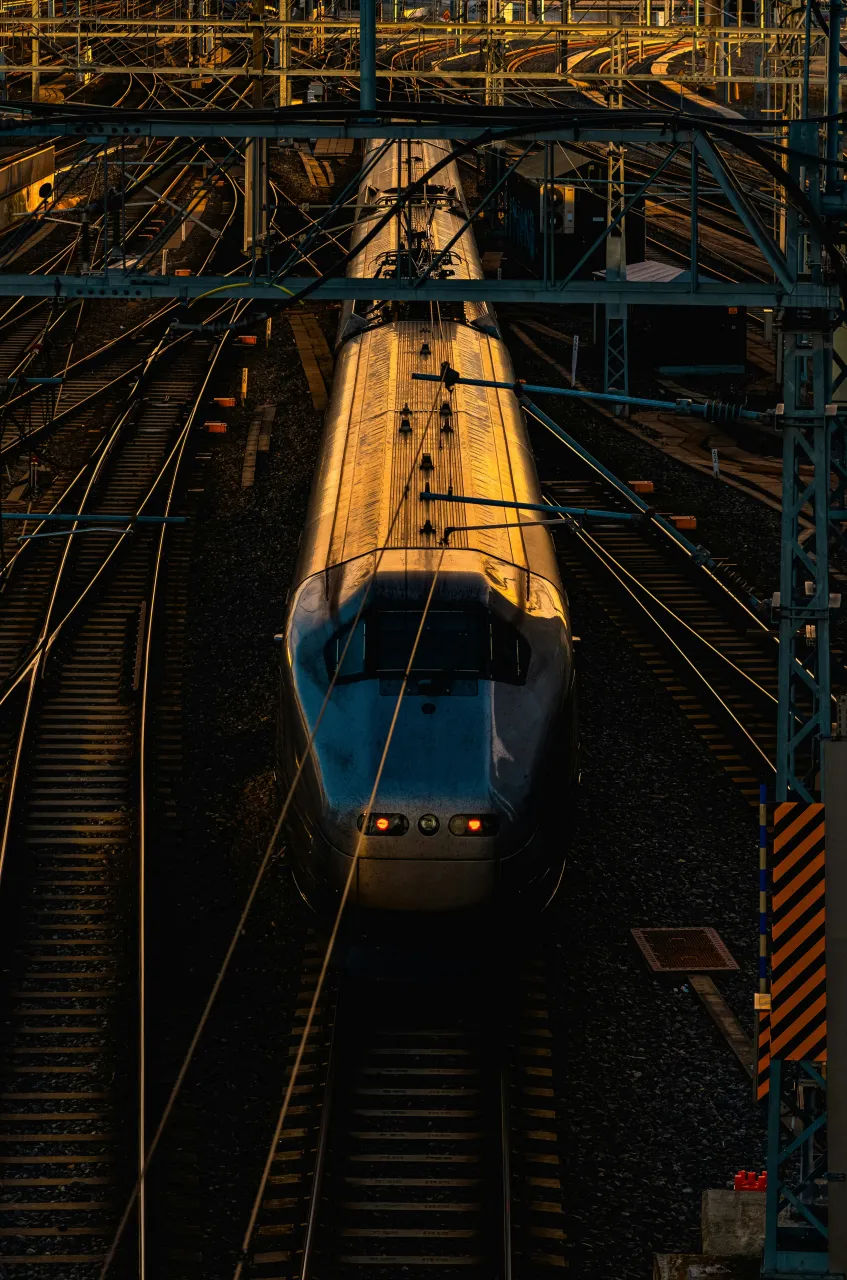
Metro (T-bane)
Best for: longer distances, fast cross-city travel, nature access
The metro is Oslo’s fastest way to cover distance without traffic delays.
Use the T-bane when you want to:
- Make long jumps (Sentrum → outside central Oslo)
- Reach Holmenkollen (ski jump and viewpoint)
- Access Nordmarka (forest walks, hiking, skiing)
If your plan is “city + nature in one day”, the metro is usually the smartest option.
Trams
Best for: central sightseeing, short city hops, tourist-friendly routes
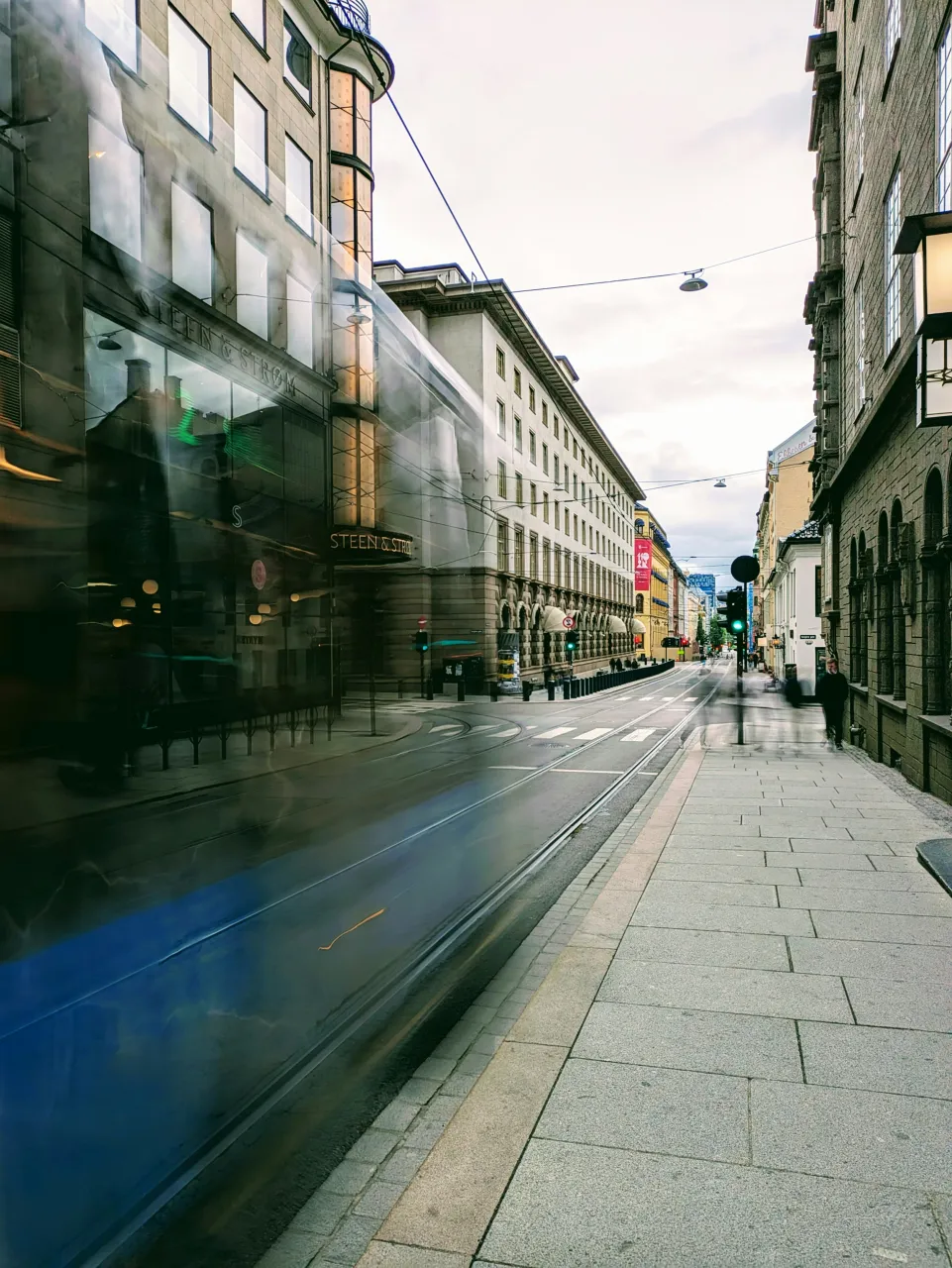
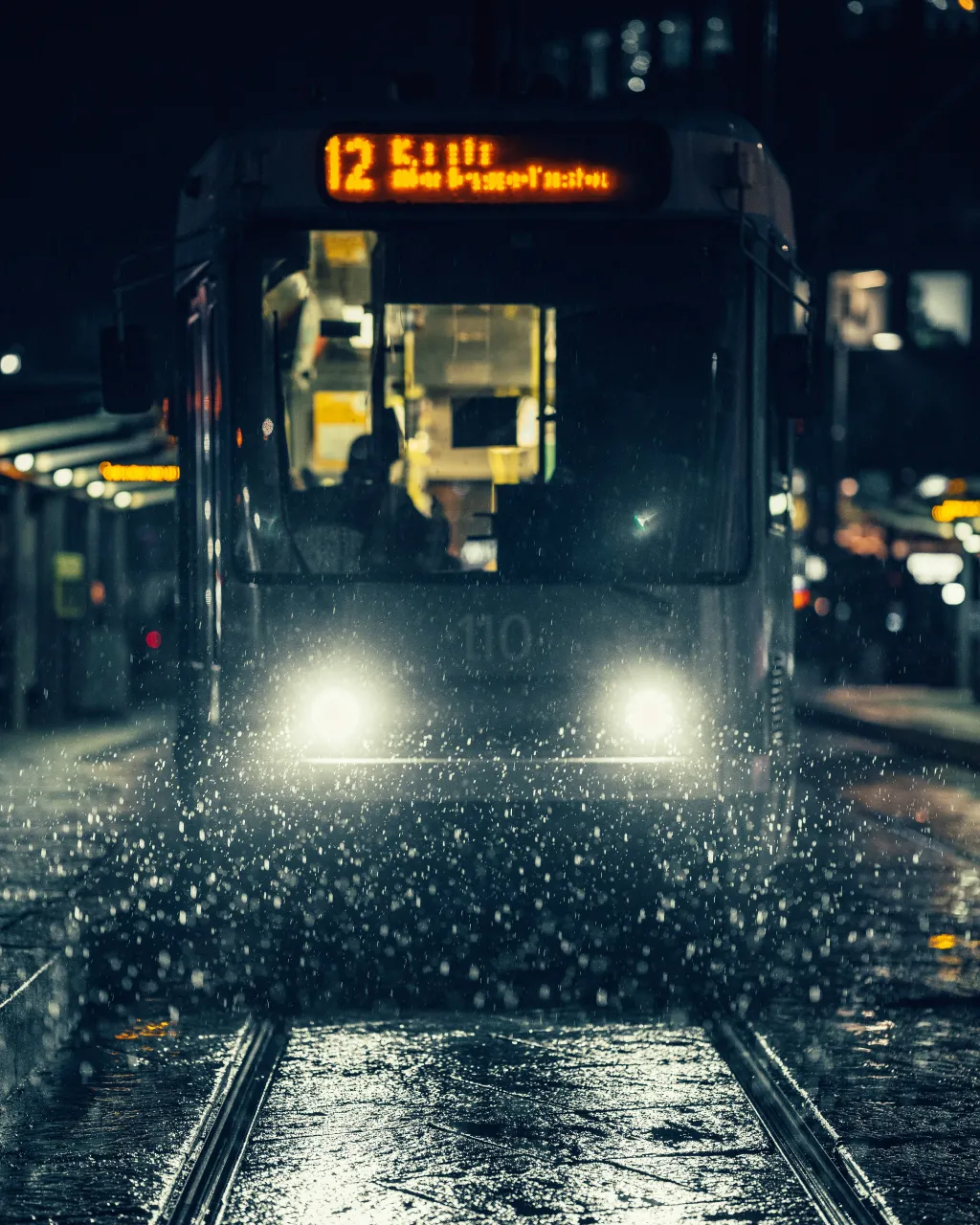
Trams are ideal inside central Oslo because they connect many popular areas without complex route planning.
Use trams when you want to:
- Move around Sentrum
- Connect waterfront and central districts
- Ride “easy tourist corridors” where many stops are relevant to visitors
Trams are especially useful if you combine museums, food and neighbourhood walks in the same day.
Buses
Best for: specific routes, areas not covered by tram or metro, late-night transport
Buses fill the gaps and are useful when your accommodation or a specific attraction is not tram/metro friendly.
Use buses when you need:
- One direct route that saves walking time
- Transport to specific areas outside the tram network
- Night transport, since some lines run later than trams
Going to Bygdøy museums? Combine transport with the best museum plan → Things to do in Oslo
Ferries in Oslo (islands and Bygdøy)
Ferries are one of the most underrated parts of getting around Oslo — and in summer they become a core transport option, not just a nice extra. They are also one of the easiest ways to experience Oslo as a fjord city.
Oslofjord islands ferries
Best for: May to September (warm season and long days)
Island ferries are the easiest “mini day trip” from central Oslo. You can reach a beach or picnic island in 15–45 minutes without planning a complicated excursion.
Use the island ferries for:
- Swimming and fjord vibes (especially on warm days)
- Picnic days and nature breaks between museums
- Slower, more local Oslo experiences
Ticket logic (simple version):
For many visitors, island ferries are often part of the Ruter public transport network, meaning your regular ticket or pass may be valid. Always double-check in the Ruter app depending on route and season.
Bygdøy ferry
Best for: museums and easy sightseeing logistics
Bygdøy is Oslo’s main museum peninsula, and the ferry is one of the most enjoyable ways to get there (fast and scenic).
The Bygdøy ferry is the easiest transport option for:
- Fram Museum
- Kon-Tiki Museum
- Norwegian Folk Museum
It is especially good in warm season because it saves time and turns your museum visit into a fjord experience.
Planning a bigger outing beyond the city? → Best day trips from Oslo


Oslo is walkable (best walking logic)
Yes — Oslo is one of the most walkable capitals in Europe. For most tourists, the smartest strategy is simple:
Walk for sightseeing, use Ruter only for “outer highlights” (Bygdøy, Holmenkollen, Nordmarka, island ferries).
Many first-time visitors overuse transport because Oslo looks bigger on the map than it feels. In reality, central Oslo is compact, flat, and built around pedestrian-friendly waterfront routes.
The core sightseeing loop
If you want to explore Oslo with minimal planning and minimal transport, use this walkable loop as your base route:
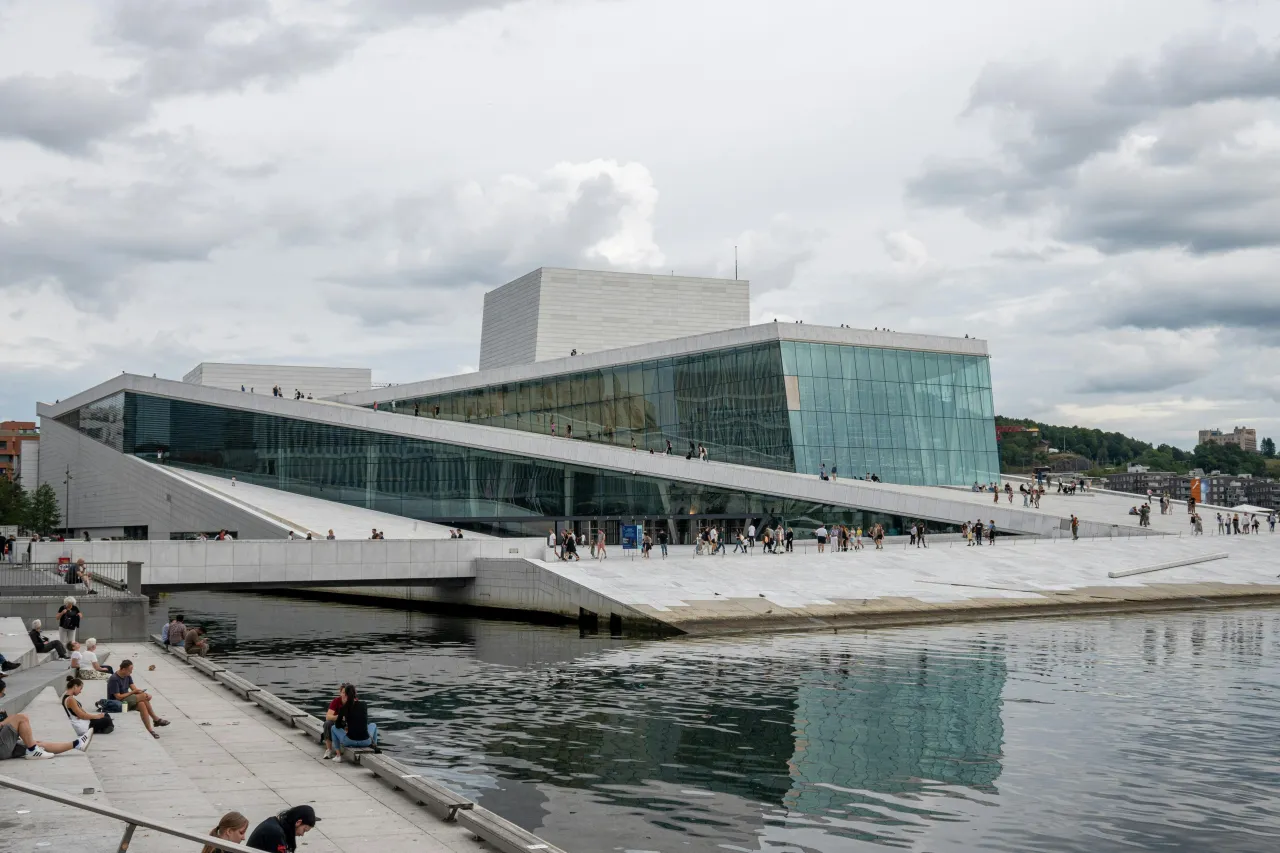
- Bjørvika (Opera House area and modern waterfront)
- Akershus Fortress (historic harbour walk and viewpoints)
- Aker Brygge and Tjuvholmen (fjord promenade, restaurants, galleries)
- Karl Johan and the Royal Palace (classic central Oslo walk)
Why this loop works so well for tourists:
- Connects fjord, architecture, history and city centre
- Keeps your trip efficient: more exploring, less waiting
- Works year-round (cafés and indoor stops along the way)
If you stay in the right neighbourhood, this loop becomes even smoother →
Best areas to stay to minimise walking time
Oslo by bike
Biking is one of the best ways to experience Oslo during the warmer months. The city is compact, well designed for cycling, and biking lets you cover more ground while still exploring at a local pace — especially along the waterfront and through parks.
Simple rule: bike in summer, walk in winter.
City bikes
Best for
Easy, flexible and affordable short rides around central Oslo.
• May to September (long days, mild weather)
• Waterfront sightseeing routes
• Moving between neighbourhoods quickly
How it works (simple)
• Download the city bike app
• Find a nearby station
• Unlock a bike
• Ride to your next stop
• Return it to any station
Why tourists love it
• Faster than walking, more fun than public transport
• Perfect for “Oslo summer vibe” areas like Sørenga, Aker Brygge and Bygdøy edges
Bike rentals
Best for
• Couples and photographers who want to explore slowly
• Longer rides outside the absolute centre
• Visitors who prefer having a bike all day
Typical rental options
• Standard city bikes
• E-bikes (less effort, longer distance)
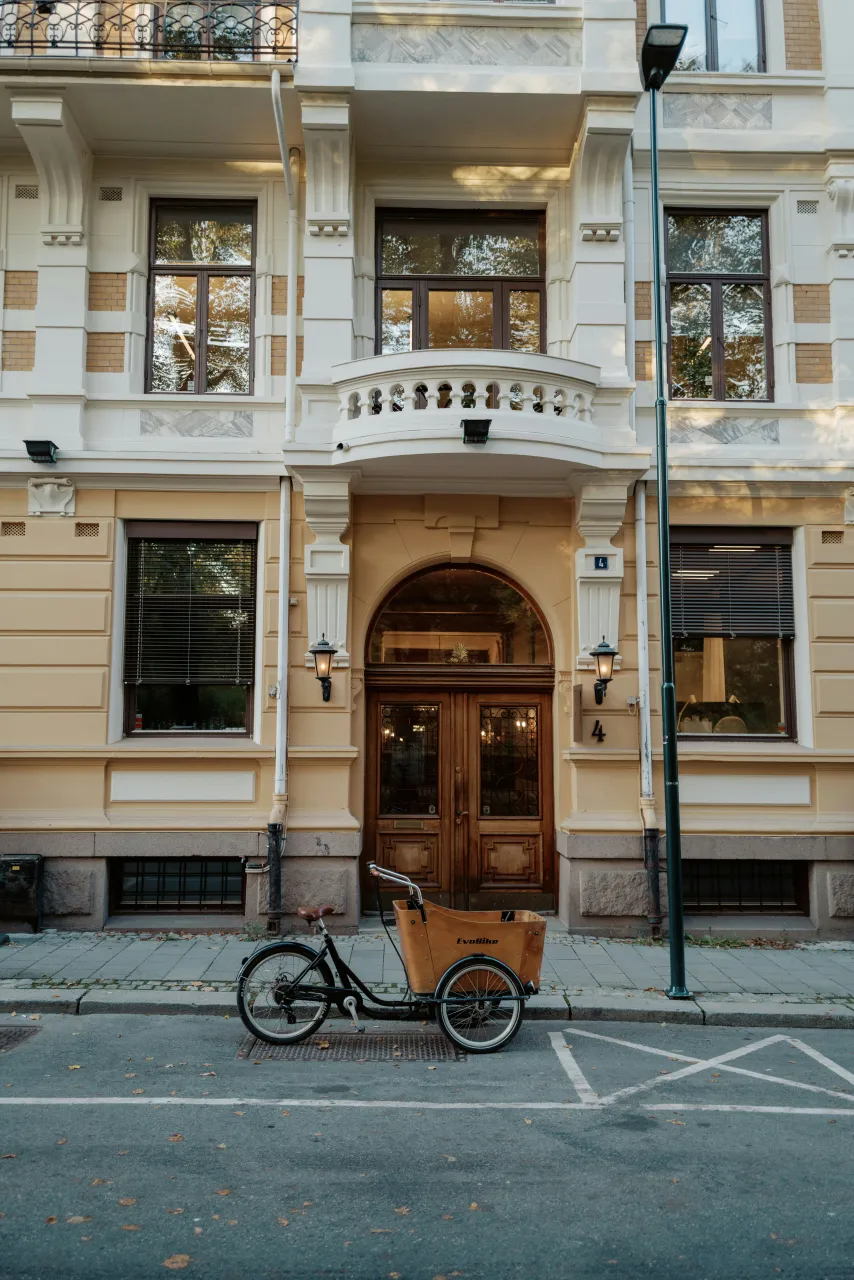
• Sometimes cargo bikes (families)
Best fit: summer travellers, active visitors, longer stays (3+ days)
Not ideal: winter trips, heavy rain days, museum-heavy itineraries

Taxi, Uber and Bolt (what tourists should know)
Oslo is very easy to explore without taxis, but ride options can be useful in a few situations — especially if you arrive late, travel as a group, or want a simple door-to-door transfer. The key thing to know: it’s convenient, but rarely the cheapest option.
When taxis make sense
Taxis are not the default choice in Oslo (walking and Ruter usually win), but they are worth considering when convenience matters most.
Best situations for taxi:
- Late arrivals (especially after dinner or nightlife)
- Groups splitting the cost
- Lots of luggage (airport arrivals, longer stays)
- Families with kids
- Bad weather days
Simple rule:
If you’re tired, cold, carrying bags, or travelling with 3–4 people, a taxi often makes sense.
Ride services
Oslo has ride services that work well for tourists and are often the simplest way to travel door-to-door.
Uber
- Widely used by travellers
- Easy pickup in central areas
Bolt
- Also common in Oslo
- Often preferred by locals
Why ride services are helpful:
- Fast and predictable in central Oslo
- Useful if you do not want to think about zones, stops or transfers
Price expectations
Oslo is an expensive city, and taxis are expensive even by Oslo standards.
What tourists should expect:
- Short rides can still feel overpriced
- Airport and late-night rides cost significantly more
- Public transport (Ruter) is almost always better value
Best default strategy:
- Walk first
- Use tram or metro second
- Use taxi, Uber or Bolt only when convenience is worth paying for
Oslo Pass and transport (is it worth it?)
The Oslo Pass can offer great value — but only for the right type of trip. It is designed for visitors who plan to visit multiple museums and paid attractions, and it also includes public transport (mainly within central Oslo zones). If your trip is mostly walk-based with only one or two paid attractions, buying tickets separately is usually cheaper.
| When Oslo Pass makes sense | When Oslo Pass usually does NOT make sense |
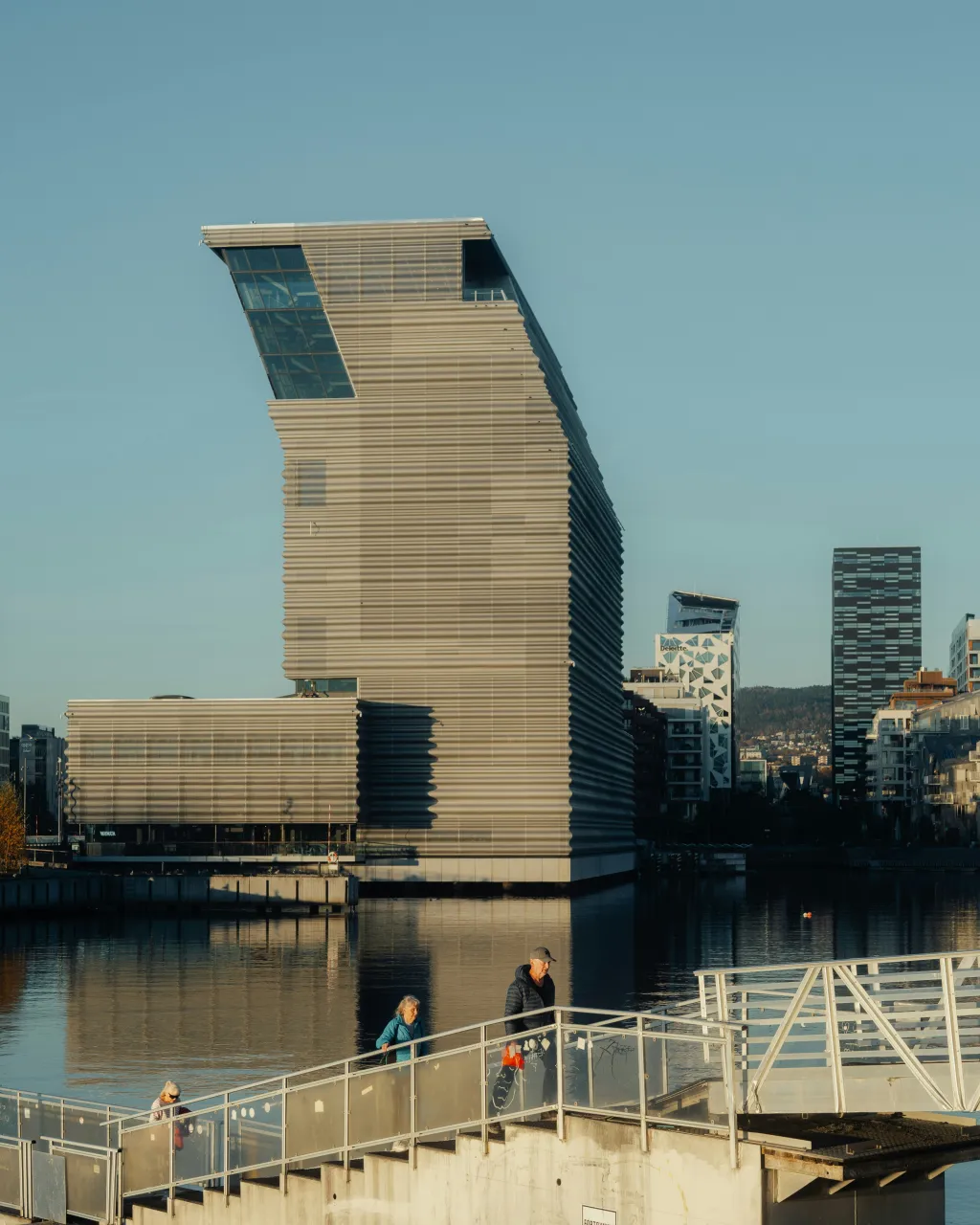
| Museum-heavy trip (best case) • You want 2+ museums per day • You plan major paid attractions such as: – MUNCH Museum – National Museum – Fram Museum, Kon-Tiki Museum, Norwegian Folk Museum (Bygdøy day) Transport-heavy trip • You use tram or metro several times per day • You plan outer highlights like: – Bygdøy museums – Holmenkollen – Nordmarka access points – Island ferries (seasonal) |
• You mostly explore on foot • You visit 0–1 paid attraction per day • You focus on neighbourhoods, parks and waterfront walks • You prefer flexible, slow sightseeing |
Simple rule: If you want a culture-first Oslo, the pass often pays off. If you want a walk-first Oslo, it usually does not.
When it is not worth it
Skip the Oslo Pass if your trip looks more like this:
Mostly walking
- You’re staying central
- You explore waterfront areas and main highlights on foot
- You use public transport only 0–2 times per day
Only one major museum
If you only plan one major museum (very common on a 48h trip), the Oslo Pass is usually unnecessary.
You prefer free and local experiences
If your plan is mainly:
- Opera House rooftop
- Waterfront walks and parks
- Akershus Fortress
- Grünerløkka cafés
- Vigeland Park
…then the pass adds very little value.
Common mistakes tourists make (and how to avoid them)
Oslo is one of the easiest capitals in Europe to travel in, but tourists still make the same mistakes again and again. Fixing these small things can save you time, money, and friction — and often makes the city feel more walkable and relaxed.
Buying tickets too late (or not activating them)
This is one of the most common Ruter mistakes.
What tourists do wrong
- They buy a ticket but forget to activate it before boarding
- They wait until the tram/bus arrives, then stress-buy while boarding
Do this instead
- Buy or prepare your ticket before you reach the platform
- Activate the ticket before boarding
- Keep the ticket ready in case of inspection
This simple habit removes most transport stress.
Overusing transport instead of walking
Oslo’s centre is much more compact than most people think.
What tourists do wrong
- They take transport between places that are only 10–20 minutes apart
- They waste time waiting (delays + platform walking) instead of just walking
The best Oslo rule
Walk first, Ruter second.
Use transport mainly for:
- Bygdøy museums
- Holmenkollen / Nordmarka
- Island ferries in summer
Planning too many museums in one day
This drains your energy and makes Oslo feel rushed.
What tourists do wrong
- They book 3 museums in one day
- They spend the whole day indoors (and miss what makes Oslo special: fjord, nature and walks)
Do this instead
Plan your Oslo days like this:
- 1 major museum
- 1 scenic walk (fjord / park / waterfront)
- 1 neighbourhood for food + atmosphere
You’ll experience more and feel less exhausted.
Staying in the wrong location and creating daily travel time
This is the silent trip-killer.
What tourists do wrong
- They choose a hotel or apartment that looks “central” on a map
- But it forces them to use transport multiple times per day
Do this instead
Choose a base where your default day is walkable.
That single decision affects everything:
- Sightseeing flow
- Restaurant access
- How relaxed the city feels


Not using ferries in summer (big missed experience)
In the warm season, ferries are one of Oslo’s best travel hacks.
What tourists do wrong
- They treat ferries as “extra effort”
- They skip island hopping completely
Do this instead
Use ferries as a sightseeing tool:
- Islands = mini day trip with almost no planning
- Bygdøy ferry = museums + seaside vibe (perfect half day)
If it’s May–September, this is one of the easiest ways to get the “Oslo fjord experience” without leaving the city.
FAQs
Is public transport in Oslo easy to use?
Yes. Oslo’s public transport is clean, reliable, and simple for tourists. Most visitors use Ruter for metro, trams and buses, and you can plan routes and buy tickets directly in the Ruter app.
What is the best app for Oslo public transport?
The best app is Ruter. It lets you:
- Plan routes across metro, trams, buses and many ferries
- Buy tickets and passes
- Check real-time departures
For tourists, it’s the easiest way to avoid mistakes.
Do I need cash for tickets in Oslo?
No. Oslo is a card-based city. Most travellers buy tickets in the Ruter app or pay by card at kiosks like Narvesen and 7-Eleven.
What zone do tourists need in Oslo?
Most tourists only need Zone 1, which covers central Oslo and nearly all major attractions and museums.
Can I use the same ticket for metro, trams and buses?
Yes. Ruter tickets work across:
- Metro (T-bane)
- Trams
- Buses
- Local trains (within zones)
One system, one ticket.
How do I get from Oslo Airport (OSL) to the city centre?
The easiest option is the train to Oslo Central Station (Oslo S). It’s usually the fastest and simplest transfer.
Is Oslo walkable in winter?
Yes. Central Oslo is compact and sidewalks are usually cleared quickly.
- Walk between central sights
- Use tram/metro for longer jumps or cold days
Is Uber available in Oslo?
Yes. Uber and Bolt both operate in Oslo. They’re convenient, but public transport is usually cheaper.
Are e-scooters available in Oslo?
Yes. E-scooters from providers like Voi are widely available.
- Rules can change by season and zone
- Park only in designated areas
- Helmets are recommended
How do I get to the Oslofjord islands?
Use public ferries in summer. Many island ferries are part of the Ruter network.

Back to Guide to Oslo
Continue planning your Oslo stay
Getting around is easy once you know the basics: walk central Oslo, use public transport for longer distances, and take the train from Oslo Airport to the city centre. The next step is choosing routes and finding the best area to stay.
Explore the Oslo sub guides:
- Things to do in Oslo (highlights & routes)
- Best areas to stay in Oslo (choose the right base)
- Weekend in Oslo (48h & 72h itinerary)
- Free things to do in Oslo (walks & views)
- Day trips from Oslo (islands & nature)
 Vander is a scandinavian hotel apartment chain where you feel more at home than away. Stay for months, weeks or just one night, in a modern apartment.


Copyright © 2026 Vander